 EN
EN


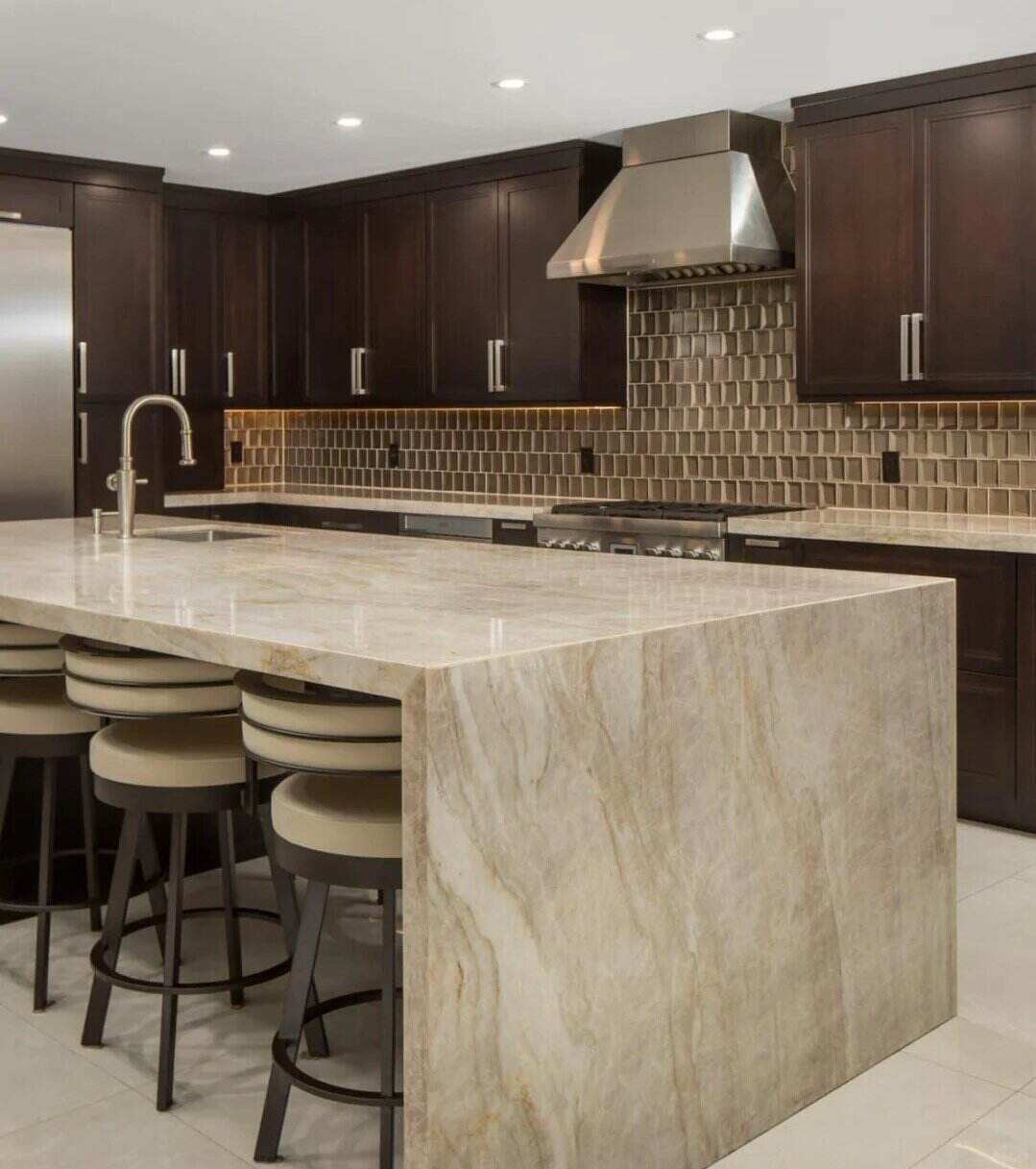
Brazilian quartzite has emerged as one of the most sought-after natural stone materials in luxury home design and commercial architecture. This metamorphic rock, formed through millions of years of geological transformation, offers an exceptional combination of durability, aesthetic appeal, and unique characteristics that set it apart from other countertop materials. The increasing demand for Brazilian quartzite reflects its superior performance in high-end applications where both functionality and visual impact are paramount.
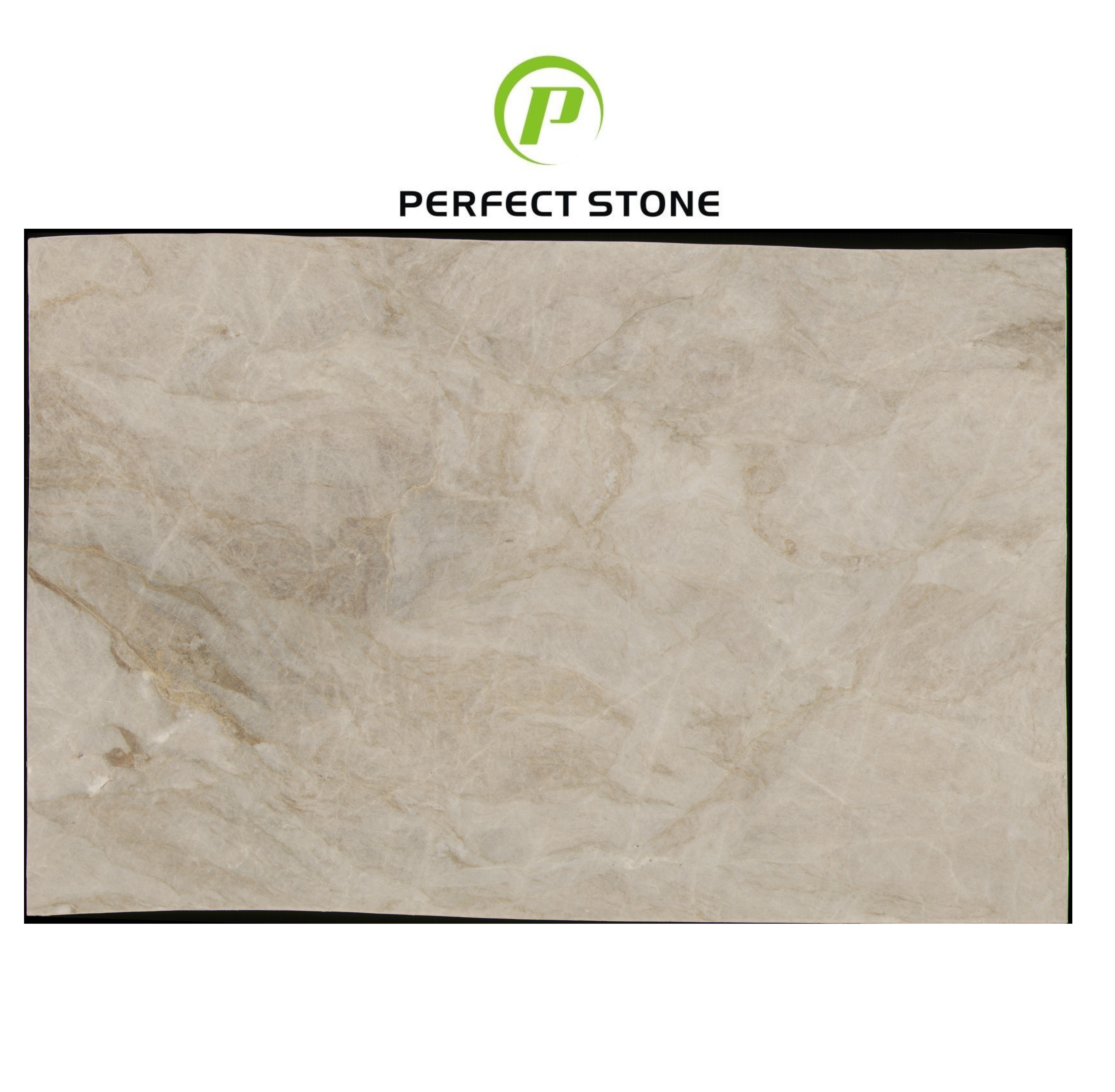
Geological Formation and Composition of Brazilian Quartzite
The Natural Formation Process
Brazilian quartzite originates from sandstone that has undergone intense heat and pressure deep within the Earth's crust over millions of years. This metamorphic process creates a crystalline structure where individual quartz grains fuse together, resulting in an exceptionally hard and durable material. The geological conditions in Brazil, particularly in regions like Minas Gerais and Bahia, provide the perfect environment for this transformation, producing some of the world's finest quartzite varieties.
The mineral composition of Brazilian quartzite primarily consists of quartz crystals, which comprise 90-95% of the stone's structure. Additional minerals such as feldspar, mica, and iron oxides contribute to the unique color variations and patterns that make each slab distinctive. This high quartz content is responsible for the material's exceptional hardness, rating 7 on the Mohs scale, making it significantly more resistant to scratching and etching compared to marble or granite alternatives.
Unique Characteristics and Properties
The metamorphic nature of Brazilian quartzite creates several distinctive properties that enhance its performance as a countertop material. The interlocking crystal structure provides superior tensile strength and impact resistance, making it suitable for heavy-duty applications in both residential kitchens and commercial food preparation areas. Additionally, the non-porous nature of properly formed quartzite makes it naturally resistant to staining and bacterial growth.
Brazilian quartzite exhibits remarkable thermal stability, maintaining its structural integrity under extreme temperature variations. This characteristic makes it an ideal choice for outdoor applications and areas where hot cookware may be placed directly on the surface. The stone's natural resistance to UV radiation ensures that colors remain vibrant and unchanged even with prolonged exposure to sunlight.
Aesthetic Appeal and Design Versatility
Color Variations and Natural Patterns
One of the most compelling aspects of Brazilian quartzite is its extraordinary range of colors and patterns. From the pristine whites and soft grays of varieties like Taj Mahal to the dramatic veining of Calacatta Gold and the rich blues of Azul Bahia, Brazilian quartzite offers options to complement virtually any design aesthetic. These natural color variations result from different mineral inclusions and geological conditions during formation.
The natural veining patterns in Brazilian quartzite create stunning visual interest that cannot be replicated by engineered materials. Each slab tells a unique geological story through its patterns, making every installation truly one-of-a-kind. The subtle movement and depth in the stone create a luxurious appearance that enhances both traditional and contemporary design schemes.
Surface Finishes and Texture Options
Brazilian quartzite can be finished in various ways to achieve different aesthetic and functional goals. Polished surfaces showcase the stone's natural beauty with a glossy finish that enhances color depth and pattern visibility. This finish is particularly popular in luxury residential applications where visual impact is prioritized. The smooth, reflective surface also makes cleaning and maintenance more straightforward.
Honed finishes provide a more subtle, matte appearance that offers excellent slip resistance for high-traffic areas. This finish type is increasingly popular in contemporary designs where a more understated elegance is desired. Leathered and brushed finishes add tactile interest while maintaining the stone's durability, making Brazilian quartzite suitable for various design preferences and functional requirements.
Performance Advantages in Luxury Applications
Durability and Longevity
The exceptional durability of Brazilian quartzite makes it an investment that provides decades of reliable performance. Unlike softer natural stones that may show wear patterns or require frequent maintenance, Brazilian quartzite maintains its appearance and structural integrity even under heavy use. This longevity makes it particularly valuable in luxury installations where replacement costs would be substantial.
Professional testing has demonstrated that Brazilian quartzite exhibits superior resistance to chipping, cracking, and thermal shock compared to many alternative materials. The stone's ability to withstand daily kitchen activities, including cutting, hot pot placement, and frequent cleaning, without showing signs of wear makes it an ideal choice for discerning homeowners who demand both beauty and performance.
Maintenance Requirements and Care
Despite its luxury status, Brazilian quartzite requires relatively minimal maintenance when properly sealed and cared for. The stone's low porosity means it naturally resists most stains, and routine cleaning with mild soap and water is typically sufficient for daily maintenance. This ease of care is particularly appealing to busy professionals who want luxury materials without extensive upkeep requirements.
Periodic sealing, typically required every 1-2 years depending on usage, helps maintain the stone's stain resistance and enhances its natural beauty. Professional installation and proper edge treatments ensure that Brazilian quartzite performs optimally throughout its lifespan, providing consistent beauty and functionality that justifies its premium positioning in the market.
Cost Analysis and Investment Value
Initial Investment Considerations
The premium pricing of Brazilian quartzite reflects several factors including extraction costs, transportation from Brazil, and the specialized fabrication techniques required to work with this hard material. However, when evaluated over its lifespan, Brazilian quartzite often provides superior value compared to materials that require frequent replacement or extensive maintenance. The initial investment should be viewed in the context of long-term performance and aesthetic satisfaction.
Market analysis indicates that Brazilian quartzite installations typically retain their value better than synthetic alternatives, contributing positively to property valuations. The material's association with luxury and quality makes it a desirable feature for potential buyers, particularly in high-end residential markets where natural stone is expected and appreciated.
Long-term Value Proposition
The durability and timeless appeal of Brazilian quartzite contribute to its strong long-term value proposition. Unlike trendy materials that may become dated, the natural beauty and performance characteristics of Brazilian quartzite ensure continued relevance and desirability. This stability makes it a wise choice for homeowners planning to remain in their properties long-term or those considering resale value.
Professional appraisers consistently recognize Brazilian quartzite as a premium upgrade that adds measurable value to properties. The material's reputation for quality and performance, combined with its aesthetic appeal, creates a compelling investment case that extends beyond simple material costs to encompass lifestyle benefits and financial returns.
Installation and Fabrication Considerations
Professional Requirements and Techniques
The exceptional hardness of Brazilian quartzite requires specialized fabrication equipment and experienced craftsmen to achieve optimal results. Diamond-blade cutting tools and advanced polishing techniques are essential for creating precise edges and smooth finishes that showcase the stone's natural beauty. This specialized requirement means that not all fabricators are qualified to work with Brazilian quartzite, making careful contractor selection crucial.
Professional installation involves careful measurement, templating, and support planning to ensure that the stone performs optimally over time. The weight and brittleness characteristics of Brazilian quartzite require specific handling procedures and structural support considerations that experienced installers understand and implement correctly.
Quality Control and Standards
Reputable suppliers of Brazilian quartzite maintain strict quality control standards throughout the extraction, processing, and shipping phases. This attention to quality ensures that slabs arrive at fabrication facilities in optimal condition and meet the performance expectations associated with premium natural stone. Quality certifications and supplier reputation should be carefully evaluated when selecting Brazilian quartzite for luxury applications.
Industry standards for Brazilian quartzite include specifications for structural integrity, color consistency, and surface finish quality. These standards help ensure that installations meet professional expectations and provide the performance characteristics that justify the material's premium positioning in the marketplace.
FAQ
How does Brazilian quartzite compare to granite for kitchen countertops
Brazilian quartzite offers superior hardness and stain resistance compared to granite while providing unique aesthetic qualities that many homeowners find more appealing. While granite requires regular sealing every 6-12 months, Brazilian quartzite typically needs sealing only every 1-2 years. The natural patterns in Brazilian quartzite are often more dramatic and varied than those found in granite, making each installation more distinctive. Additionally, Brazilian quartzite maintains its appearance better over time and is less prone to etching from acidic substances.
What makes Brazilian quartzite different from quartzite from other regions
Brazilian quartzite is distinguished by its exceptional geological formation conditions, which create superior hardness, unique color variations, and distinctive veining patterns not commonly found in quartzite from other regions. The mineral composition and metamorphic processes specific to Brazilian geology result in stones with better structural integrity and more vibrant natural colors. Brazilian quarries also maintain higher extraction and processing standards, ensuring consistent quality and performance that has established Brazil as the premier source for luxury quartzite applications.
Is Brazilian quartzite suitable for outdoor applications
Yes, Brazilian quartzite is exceptionally well-suited for outdoor applications due to its natural resistance to UV radiation, thermal cycling, and weather exposure. The stone maintains its color stability and structural integrity even under extreme temperature variations and direct sunlight exposure. Its low porosity helps prevent water absorption that could lead to freeze-thaw damage in colder climates. Many luxury outdoor kitchen and entertainment area projects specify Brazilian quartzite specifically for its ability to perform reliably in challenging environmental conditions.
How should Brazilian quartzite be maintained to preserve its appearance
Maintaining Brazilian quartzite requires simple daily cleaning with mild soap and water, avoiding harsh chemicals or abrasive cleaners that could damage the surface. Periodic professional sealing every 1-2 years helps maintain stain resistance and enhances the stone's natural beauty. Immediate cleanup of spills, particularly acidic substances, prevents potential staining. Using cutting boards and trivets protects the surface from unnecessary wear, though Brazilian quartzite is naturally more resistant to damage than softer natural stones like marble or limestone.