 EN
EN


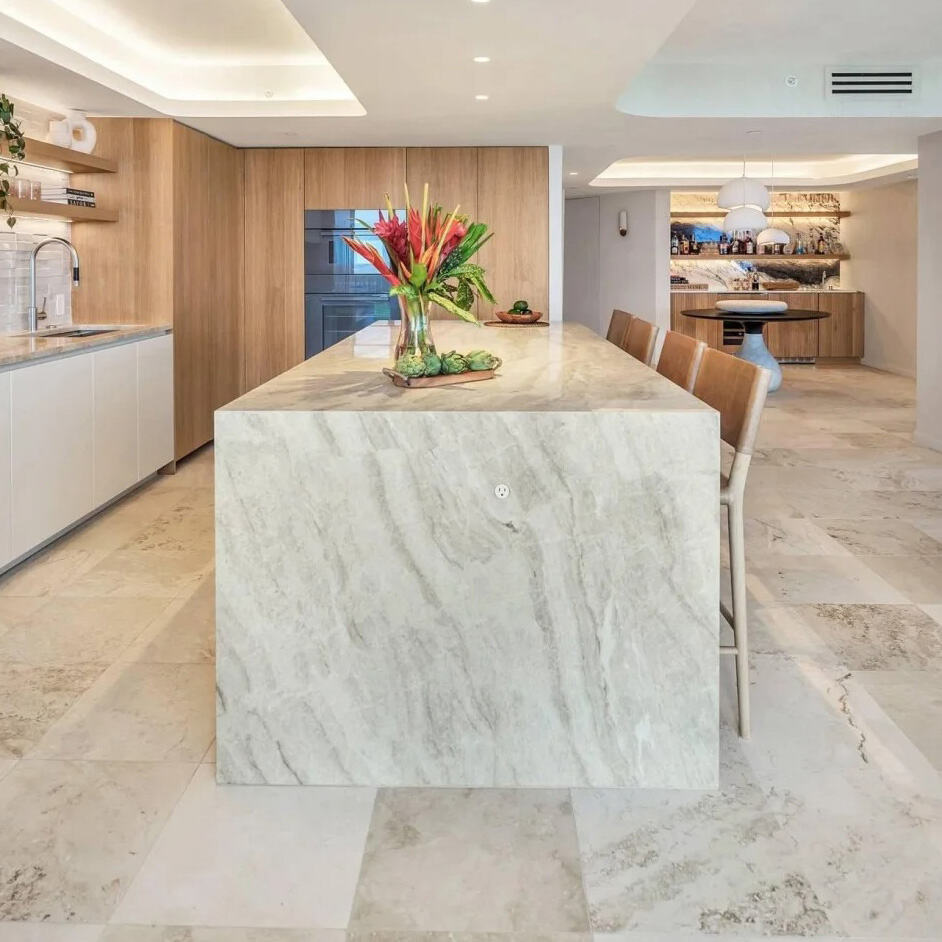
Natural stone surfaces have become increasingly popular in residential and commercial applications, with homeowners and designers seeking materials that combine aesthetic appeal with practical performance. Among the most sought-after options, taj mahal quartzite stands out as a premium choice that offers the elegant appearance of marble while delivering superior durability and reduced maintenance requirements. This comprehensive comparison explores how taj mahal quartzite measures against traditional marble across multiple performance categories, helping you make an informed decision for your next project.
Material Composition and Formation Process
Understanding Quartzite Structure
Taj mahal quartzite forms through metamorphic processes that transform sandstone under extreme heat and pressure over millions of years. This geological transformation creates an incredibly dense, crystalline structure composed primarily of interlocked quartz grains. The resulting material exhibits exceptional hardness, typically rating between 7-8 on the Mohs scale, making it significantly harder than most marble varieties.
The unique formation process of taj mahal quartzite produces distinctive veining patterns and color variations that closely resemble premium marble slabs. These natural characteristics develop as mineral deposits flow through the stone during metamorphism, creating the sought-after aesthetic that has made this material increasingly popular among architects and interior designers.
Marble Formation and Characteristics
Marble originates from limestone or dolomite that undergoes metamorphic transformation, resulting in a predominantly calcite or dolomite composition. This calcium carbonate base gives marble its characteristic softness and workability but also makes it more susceptible to chemical reactions with acidic substances. Traditional marble typically rates between 3-4 on the Mohs hardness scale, significantly softer than quartzite alternatives.
The crystalline structure of marble allows for exceptional light transmission and depth, creating the luminous appearance that has made it a preferred material for sculptures and architectural elements throughout history. However, this same composition makes marble more vulnerable to etching, staining, and wear in high-traffic applications.
Durability Performance Analysis
Hardness and Scratch Resistance
The superior hardness of taj mahal quartzite translates directly into enhanced scratch resistance compared to marble surfaces. Kitchen knives, metal utensils, and everyday objects that might scratch marble will have minimal impact on properly finished quartzite. This durability advantage makes taj mahal quartzite particularly suitable for kitchen countertops, bathroom vanities, and high-traffic commercial applications where surface integrity is paramount.
Marble's softer composition makes it more susceptible to surface damage from regular use. Cutting boards, metal objects, and even sand particles tracked on shoes can gradually wear marble surfaces, creating visible scratches and dulling the polished finish over time. While these marks can often be polished out, they represent ongoing maintenance requirements that quartzite largely eliminates.
Impact and Thermal Resistance
Both materials demonstrate excellent impact resistance when properly installed, but taj mahal quartzite generally provides superior performance under extreme conditions. The dense, interlocked crystal structure of quartzite distributes impact forces more effectively than marble's crystalline composition. Additionally, quartzite exhibits better thermal shock resistance, handling rapid temperature changes without developing stress fractures.
Marble can withstand reasonable thermal exposure but may develop hairline cracks or surface damage when subjected to extreme temperature variations. Hot cookware placed directly on marble surfaces can potentially cause thermal shock, while taj mahal quartzite typically handles such exposure with minimal risk of damage, though protective measures are still recommended for both materials.
Chemical Resistance and Staining Properties
Acid Resistance Comparison
One of the most significant advantages of taj mahal quartzite over marble lies in its exceptional chemical resistance. The silicate composition of quartzite makes it virtually immune to acid etching from common household substances like lemon juice, vinegar, wine, and coffee. This chemical stability ensures that spills can be cleaned without permanent surface damage, maintaining the stone's pristine appearance over time.
Marble's calcium carbonate composition reacts readily with acidic substances, causing immediate etching that appears as dull, rough spots on polished surfaces. These chemical reactions are permanent and require professional restoration to repair. Common kitchen acids like citrus juice or tomato-based sauces can cause noticeable damage within minutes of contact with unprotected marble surfaces.
Porosity and Sealing Requirements
The density of taj mahal quartzite results in extremely low porosity, typically requiring less frequent sealing than marble counterparts. Most high-quality quartzite installations need sealing every 2-3 years, depending on usage patterns and exposure conditions. The reduced porosity also means that taj mahal quartzite resists staining from oils, beverages, and other common household substances more effectively than marble.
Marble's higher porosity necessitates more frequent sealing, often annually or bi-annually in high-use areas. Without proper sealing, marble readily absorbs liquids, leading to permanent staining that can significantly impact appearance. The porous nature of marble also makes it more susceptible to bacterial growth in food preparation areas, requiring more diligent cleaning protocols.
Maintenance Requirements and Cleaning Protocols
Daily Cleaning and Care
Taj mahal quartzite simplifies daily maintenance routines with its resistance to common cleaning challenges. Standard pH-neutral cleaners work effectively on quartzite surfaces, and the material's chemical resistance allows for occasional use of stronger cleaning agents when necessary. The non-porous surface prevents bacteria accumulation and makes sanitization straightforward, particularly important in food preparation areas.
Regular cleaning of taj mahal quartzite requires only warm water, mild soap, and soft cloths or microfiber towels. The material's resistance to water spots and mineral deposits reduces the frequency of detailed cleaning compared to marble, which often shows water marks and requires immediate drying to prevent spotting.
Long-term Maintenance Considerations
The long-term maintenance profile of taj mahal quartzite proves significantly more manageable than marble alternatives. Professional restoration needs occur less frequently, and when required, quartzite typically responds well to standard diamond polishing techniques. The material's stability means that properly installed quartzite can maintain its appearance for decades with minimal intervention.
Marble requires more intensive long-term care, including regular professional maintenance to address etching, staining, and wear patterns. The softer material may need refinishing every few years in high-use applications, adding to lifecycle costs. Additionally, marble's susceptibility to environmental factors like humidity and temperature fluctuations can accelerate maintenance needs in certain climates.
Aesthetic Considerations and Design Applications
Visual Characteristics and Patterns
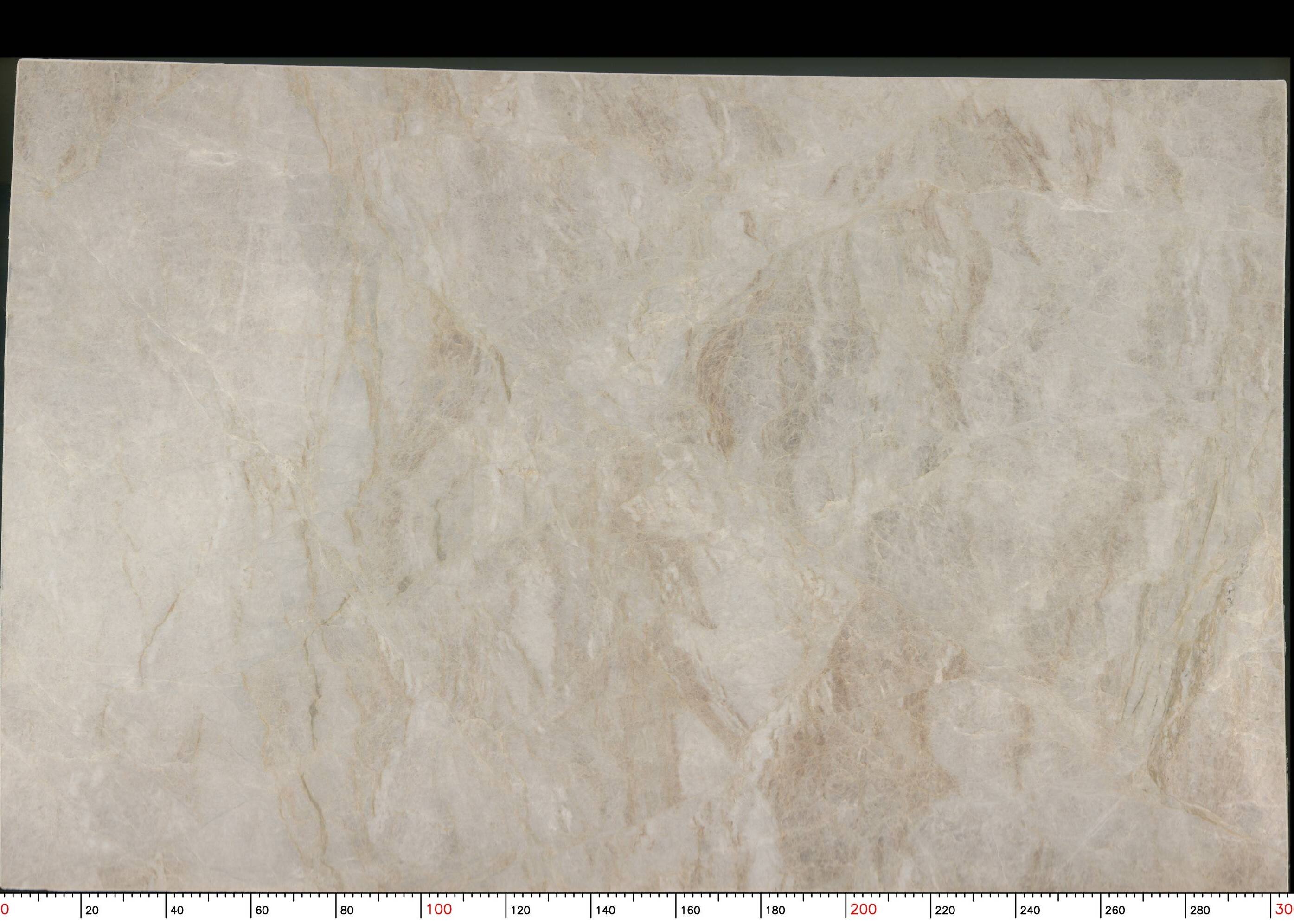
Taj mahal quartzite offers remarkable aesthetic versatility, featuring subtle veining patterns that range from delicate wisps to bold dramatic statements. The material's natural coloration typically includes warm whites, soft grays, and golden undertones that complement both contemporary and traditional design schemes. The surface depth and light reflection properties of quartzite create visual interest while maintaining the sophisticated appearance associated with premium natural stone.
The crystalline structure of taj mahal quartzite produces unique optical properties that change appearance under different lighting conditions. Natural daylight enhances the stone's subtle color variations, while artificial lighting can emphasize specific veining patterns and create dramatic focal points in interior spaces.
Design Flexibility and Applications
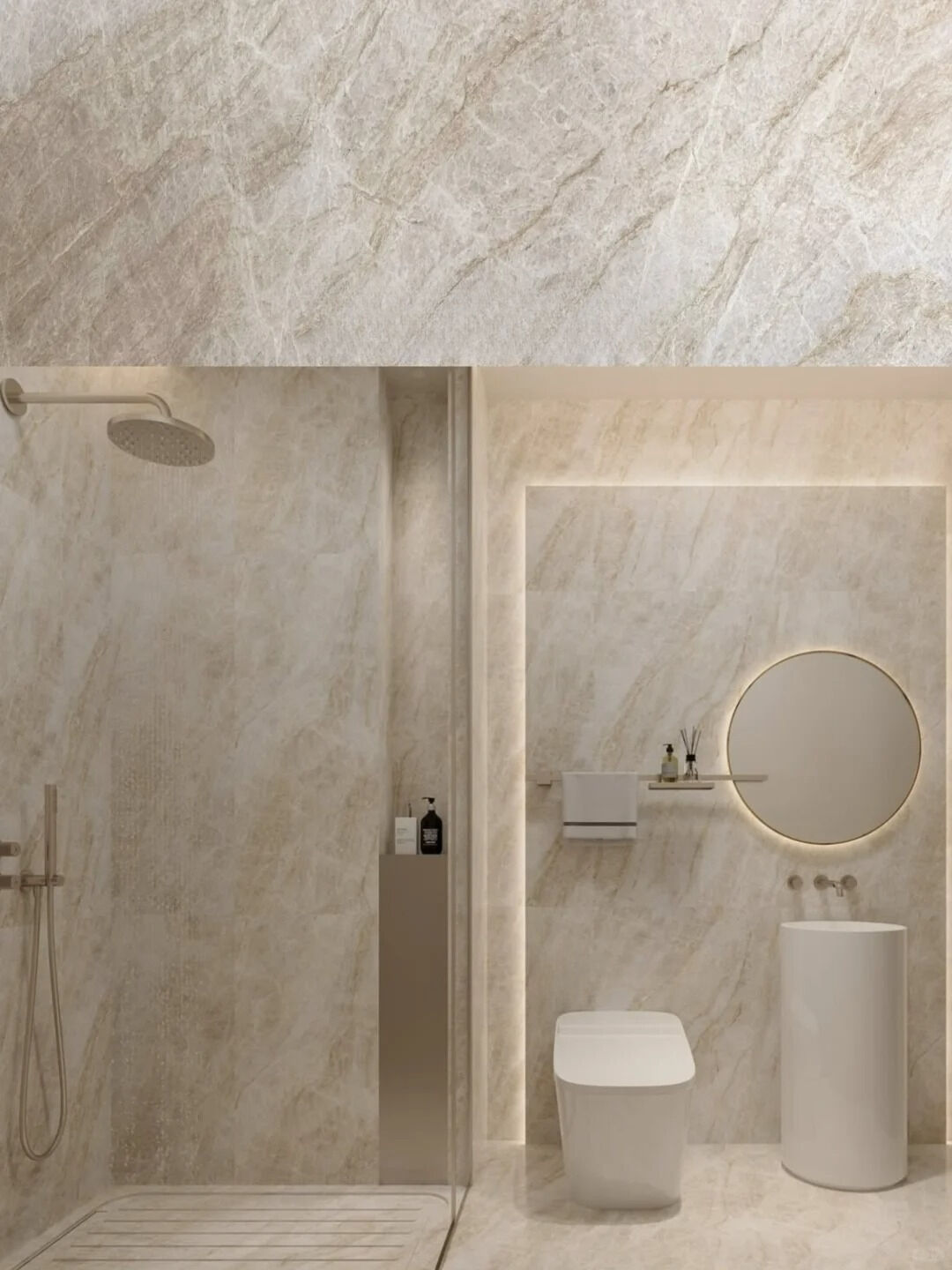
The superior durability of taj mahal quartzite expands design possibilities beyond traditional marble applications. Exterior installations, high-traffic commercial spaces, and specialized applications like shower surrounds become viable options with quartzite's enhanced performance characteristics. The material's resistance to weathering and UV exposure makes it suitable for outdoor kitchens and architectural elements where marble might deteriorate.
Installation flexibility represents another advantage of taj mahal quartzite, as the material's strength allows for larger unsupported spans and thinner profile applications. Edge treatments, waterfall installations, and dramatic overhangs become more feasible with quartzite's structural integrity compared to marble's limitations.
Cost Analysis and Value Proposition
Initial Investment Comparison
The initial cost of taj mahal quartzite typically falls within the premium natural stone category, often comparable to or slightly higher than high-end marble varieties. However, this initial investment must be evaluated against the material's superior performance characteristics and reduced long-term maintenance requirements. The enhanced durability and chemical resistance of quartzite often justify the premium pricing through lifecycle value analysis.
Fabrication and installation costs for taj mahal quartzite may exceed marble requirements due to the material's hardness and specialized cutting requirements. Professional installation becomes particularly important with quartzite to ensure proper support and seaming, as the material's density demands precise handling and support systems.
Lifecycle Cost Considerations
Long-term ownership costs strongly favor taj mahal quartzite over marble alternatives in most applications. Reduced sealing frequency, minimal restoration requirements, and exceptional longevity contribute to lower lifecycle costs despite higher initial investment. The material's resistance to damage also reduces replacement risks and insurance considerations in commercial applications.
Energy costs associated with heating and cooling may also favor taj mahal quartzite due to its thermal properties and reduced maintenance requirements. The material's stability in various environmental conditions reduces HVAC impacts from off-gassing or moisture retention that can affect indoor air quality with some marble varieties.
FAQ
How often does taj mahal quartzite need sealing compared to marble
Taj mahal quartzite typically requires sealing every 2-3 years under normal residential use, while marble often needs annual or bi-annual sealing depending on usage patterns. The quartzite's lower porosity and chemical resistance extend sealing intervals significantly, reducing ongoing maintenance costs and time requirements compared to marble surfaces that require more frequent protective treatments.
Can taj mahal quartzite handle heat better than marble
Yes, taj mahal quartzite demonstrates superior thermal resistance compared to marble due to its quartz composition and metamorphic formation process. While both materials can handle reasonable heat exposure, quartzite shows better resistance to thermal shock and temperature variations. However, protective measures like trivets and hot pads remain recommended for both materials to prevent potential damage from extreme heat sources.
Which material offers better stain resistance in kitchen applications
Taj mahal quartzite provides significantly better stain resistance than marble in kitchen environments. The quartzite's low porosity and chemical stability prevent most common kitchen stains from penetrating the surface, while marble's calcium carbonate composition makes it susceptible to permanent staining from acidic foods and beverages. This advantage makes quartzite particularly suitable for busy kitchen environments where spills are common.
Is the appearance difference noticeable between taj mahal quartzite and marble
High-quality taj mahal quartzite closely mimics the appearance of premium marble, often making visual distinction difficult for untrained observers. The quartzite's natural veining patterns and color variations create similar aesthetic appeal to marble while providing superior performance characteristics. The main visual difference typically appears in light transmission properties, where marble may show slightly more depth and luminosity, though modern quartzite varieties have significantly closed this gap.