 EN
EN


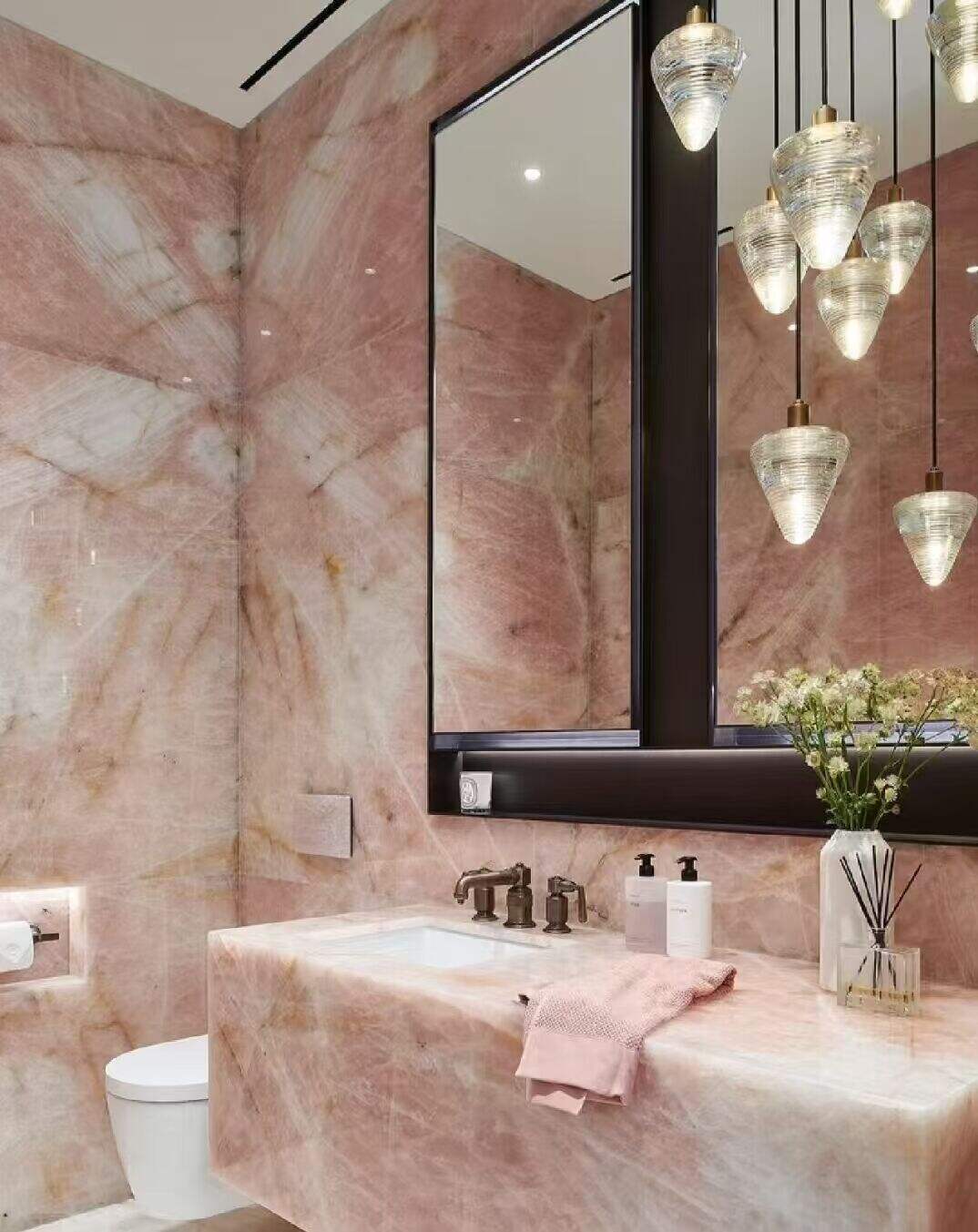
Brazil quartzite has become one of the most sought-after natural stone materials in contemporary architecture and interior design. This metamorphic rock, formed through intense heat and pressure over millions of years, showcases exceptional durability and stunning aesthetic appeal that rivals traditional marble and granite. The unique geological conditions found across Brazil's vast landscape have produced some of the world's most distinctive quartzite varieties, each displaying remarkable color variations and intricate veining patterns that captivate designers and homeowners alike.
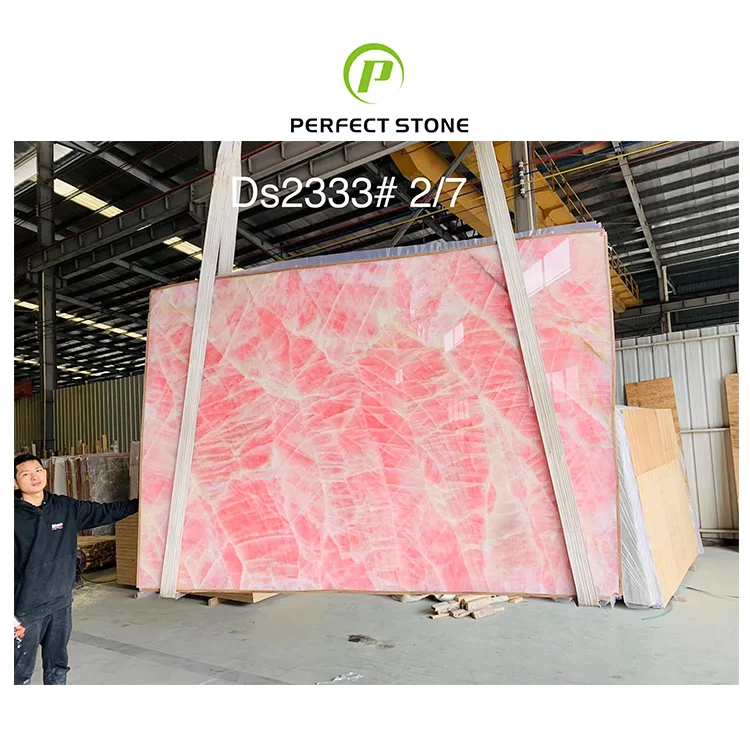
The popularity of Brazil quartzite stems from its perfect balance of natural beauty and practical functionality. Unlike softer stones that require frequent maintenance, quartzite offers superior resistance to heat, scratches, and etching, making it ideal for high-traffic applications. Brazilian quarries have mastered the extraction and processing techniques that preserve the stone's natural characteristics while ensuring consistent quality for commercial and residential projects worldwide.
Understanding Brazil Quartzite Formation and Characteristics
Geological Origins of Brazilian Quartzite
The formation of Brazil quartzite begins with sandstone deposits that underwent metamorphosis deep within the Earth's crust. Over geological time periods, extreme pressure and temperatures exceeding 1000 degrees Fahrenheit transformed quartz-rich sandstone into the dense, crystalline structure we recognize today. This process creates the exceptional hardness rating of 7 on the Mohs scale, making Brazil quartzite significantly more durable than marble or limestone alternatives.
Brazilian quartzite deposits are primarily located in the states of Minas Gerais, Espirito Santo, and Bahia, where ancient tectonic activities created ideal conditions for metamorphic transformation. The mineral composition typically consists of 90-95% quartz crystals, with trace amounts of feldspar, mica, and iron oxide contributing to the distinctive coloration and veining patterns. These geological factors explain why Brazil quartzite exhibits such remarkable consistency in quality while maintaining unique visual characteristics across different quarry locations.
Physical Properties and Performance Benefits
The superior physical properties of Brazil quartzite make it an exceptional choice for both interior and exterior applications. With a density ranging from 2.6 to 2.8 grams per cubic centimeter, this natural stone provides excellent structural integrity for countertops, flooring, and wall cladding projects. The low porosity rate, typically below 0.5%, ensures minimal water absorption and resistance to staining when properly sealed.
Heat resistance represents another significant advantage of Brazil quartzite, as it can withstand temperatures up to 300 degrees Fahrenheit without damage or discoloration. This thermal stability, combined with its natural resistance to acidic substances, makes it particularly suitable for kitchen applications where hot cookware and food preparation activities occur daily. The crystalline structure also provides natural antibacterial properties, contributing to healthier living environments.
Most Popular Brazil Quartzite Color Variations
White and Light-Toned Varieties
White Brazil quartzite varieties dominate the luxury stone market due to their timeless elegance and versatility in design applications. Super White quartzite features pristine white backgrounds with subtle gray veining that mimics Calacatta marble while offering superior durability. This variety works exceptionally well in modern minimalist designs and traditional settings where clean, bright surfaces are desired.
Arctic White represents another popular light-toned option, characterized by its pure white base with delicate silver and gold veining patterns. The subtle metallic undertones create depth and visual interest while maintaining the clean aesthetic that designers favor for contemporary kitchens and bathrooms. These lighter varieties of Brazil quartzite reflect natural light effectively, making spaces appear larger and brighter.
Ice Blue quartzite combines white and pale blue tones with dramatic gray veining, creating a cooling effect that works particularly well in coastal and Scandinavian-inspired designs. The gentle blue undertones provide a unique alternative to pure white stones while maintaining the sophisticated appearance that luxury projects demand.
Warm and Earth-Toned Options
Warm-toned Brazil quartzite varieties bring richness and depth to interior spaces through their natural earth-inspired colorations. Golden Beach quartzite features warm beige and cream backgrounds with flowing golden veins that create movement and visual warmth. This variety complements wood elements beautifully and works well in transitional design schemes that blend traditional and contemporary elements.
Taj Mahal quartzite showcases soft ivory and cream tones with gentle brown and gold veining patterns that evoke luxury and sophistication. The warm neutral palette makes it incredibly versatile for pairing with various cabinet colors and design styles. Many designers choose this Brazil quartzite variety for its ability to serve as a perfect backdrop that enhances rather than competes with other design elements.
Fantasy Brown, despite its name, actually represents a quartzite variety that displays warm brown and beige tones with dramatic white and gray veining. This stone bridges the gap between traditional and contemporary aesthetics, offering enough pattern interest to serve as a focal point while remaining neutral enough for long-term satisfaction.
Distinctive Veining Patterns in Brazilian Quartzite
Linear and Flowing Vein Structures
Linear veining patterns in Brazil quartzite create sophisticated geometric designs that appeal to contemporary architectural sensibilities. These straight or gently curved veins run parallel across the stone surface, often in contrasting colors that create striking visual impact. Linear patterns work exceptionally well in modern kitchen islands and bathroom vanities where clean lines and geometric precision are desired.
Flowing vein patterns represent the most dramatic and sought-after characteristic of premium Brazil quartzite varieties. These organic, river-like formations sweep across the stone surface in graceful curves and swirls that mimic natural water flow or cloud formations. The flowing veins often display multiple colors within a single vein structure, creating depth and movement that changes appearance under different lighting conditions.
Book-matched slabs of Brazil quartzite can create mirror-image veining patterns that produce stunning symmetrical designs for large installations. This technique maximizes the visual impact of flowing veins while creating focal points that draw attention and admiration from viewers.
Dramatic and Bold Vein Characteristics
Bold veining patterns in Brazil quartzite make powerful design statements that serve as natural artwork within architectural spaces. These dramatic formations often feature high contrast between the base color and vein colors, creating eye-catching patterns that become the centerpiece of any room. Thick, prominent veins can range from deep charcoal and black to bright white and metallic gold, depending on the specific quartzite variety.
Cluster veining represents another distinctive pattern where multiple smaller veins converge and separate across the stone surface, creating complex networks that resemble natural river deltas or tree branch structures. These intricate patterns require careful slab selection and placement to achieve optimal visual balance in finished installations.
The intensity and character of veining patterns can vary significantly within the same quarry, making each slab of Brazil quartzite unique. This natural variation ensures that every installation possesses individual character while maintaining the overall aesthetic qualities that define the specific quartzite variety.
Applications and Design Considerations
Interior Design Applications
Interior applications of Brazil quartzite span numerous residential and commercial projects where durability meets aesthetic excellence. Kitchen countertops represent the most popular application, where the stone's heat and scratch resistance provide practical benefits while its natural beauty serves as a design focal point. The non-porous surface requires minimal maintenance while offering superior performance compared to natural marble alternatives.
Bathroom vanities and shower surrounds showcase Brazil quartzite's resistance to moisture and humidity while creating spa-like environments. The stone's natural antibacterial properties and easy cleaning requirements make it ideal for high-moisture environments where hygiene and durability are essential considerations.
Flooring applications of Brazil quartzite create stunning foundations for luxury residential and commercial spaces. The stone's slip resistance and durability make it suitable for high-traffic areas, while its natural beauty adds significant value to property investments. Large format tiles can minimize grout lines and create seamless appearances that enhance spatial flow.
Selection and Installation Guidelines
Proper selection of Brazil quartzite requires careful consideration of color consistency, veining patterns, and structural integrity across multiple slabs. Professional templating and digital layout planning ensure optimal use of natural patterns while minimizing waste and maximizing visual impact. Each slab should be evaluated individually to identify the best placement for showcasing unique veining characteristics.
Installation of Brazil quartzite demands experienced professionals who understand the stone's properties and appropriate fabrication techniques. Diamond blade cutting equipment and proper edge finishing techniques preserve the stone's natural beauty while ensuring precise fits and professional results. Proper support structures and expansion considerations prevent cracking and ensure long-term performance.
Sealing requirements for Brazil quartzite vary depending on the specific variety and porosity levels. While most quartzite types have naturally low porosity, appropriate sealing enhances stain resistance and simplifies maintenance routines. Professional assessment can determine optimal sealing schedules based on usage patterns and environmental conditions.
Care and Maintenance Guidelines
Daily Cleaning and Preservation
Daily maintenance of Brazil quartzite surfaces requires simple cleaning routines that preserve the stone's natural beauty without causing damage. Mild soap and warm water provide effective cleaning for routine maintenance, while pH-neutral stone cleaners offer superior results for deeper cleaning needs. Avoiding acidic cleaners and abrasive materials prevents potential surface damage and maintains the stone's polished finish.
Immediate cleanup of spills prevents potential staining and maintains the pristine appearance of Brazil quartzite surfaces. While the stone's low porosity provides natural stain resistance, prompt attention to spills ensures optimal long-term appearance and performance. Using cutting boards and trivets protects the surface from potential scratches and heat damage during daily use.
Long-term Care and Professional Maintenance
Long-term care of Brazil quartzite involves periodic professional cleaning and assessment to maintain optimal appearance and performance. Professional stone restoration services can address any surface wear or minor damage that may occur over time, restoring the original polish and beauty of the stone surface.
Resealing schedules for Brazil quartzite typically range from 1-3 years depending on usage patterns and environmental conditions. Professional assessment can determine appropriate timing for resealing based on water absorption tests and visual inspection of the stone surface. Proper sealing maintenance ensures continued stain resistance and easy cleaning throughout the stone's lifespan.
FAQ
What makes Brazil quartzite different from other natural stones
Brazil quartzite differs from other natural stones through its unique combination of exceptional durability and stunning natural beauty. The metamorphic formation process creates a crystalline structure that provides superior hardness and resistance to heat, scratches, and etching compared to marble or limestone. Brazilian quarries also produce distinctive color variations and veining patterns that are not found in quartzite from other regions, making each variety uniquely beautiful and highly sought after in luxury design projects.
How do I choose the right Brazil quartzite variety for my project
Choosing the right Brazil quartzite variety depends on your design goals, color preferences, and intended applications. Consider the overall color scheme of your space, desired level of veining drama, and how the stone will complement existing or planned design elements. Visit showrooms to view full slabs in person, as photographs cannot capture the true depth and character of natural stone patterns. Work with experienced designers and stone professionals who can provide guidance based on your specific project requirements and aesthetic preferences.
Is Brazil quartzite suitable for outdoor applications
Brazil quartzite performs excellently in outdoor applications due to its exceptional durability and weather resistance. The stone's low porosity and natural density provide superior resistance to freeze-thaw cycles, UV exposure, and moisture infiltration that can damage other natural stones. Popular outdoor applications include pool decking, patio surfaces, outdoor kitchen countertops, and exterior wall cladding where the stone's beauty and performance create lasting value and visual appeal.
What is the expected lifespan of Brazil quartzite installations
Brazil quartzite installations typically last several decades with proper care and maintenance, often exceeding 50 years in residential applications. The stone's exceptional hardness and resistance to wear ensure that properly installed surfaces maintain their beauty and functionality throughout their extended lifespan. Professional installation and appropriate maintenance practices maximize longevity, making Brazil quartzite an excellent long-term investment for both residential and commercial projects where durability and lasting beauty are essential considerations.