 EN
EN


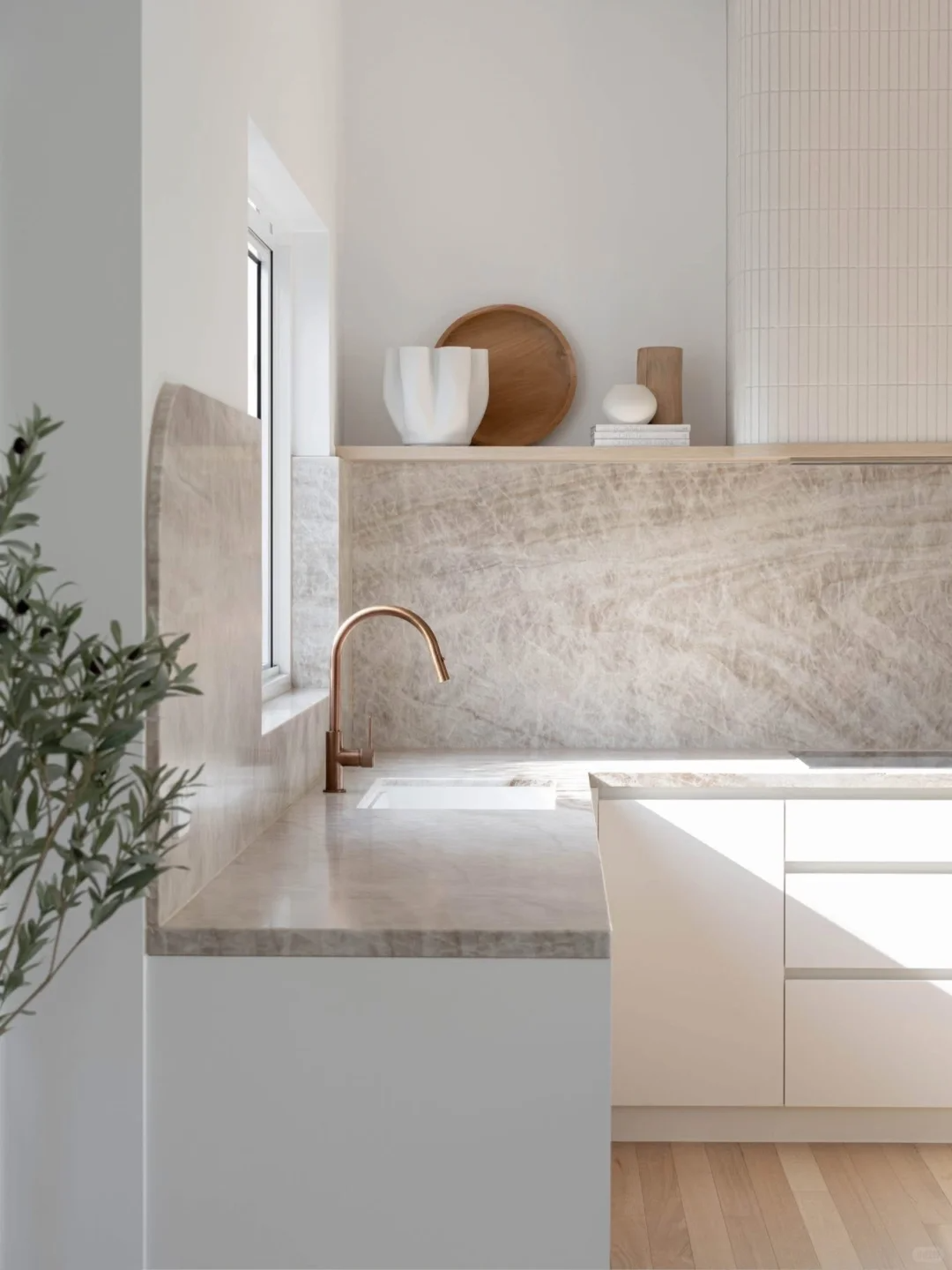
Canadian winters present unique challenges for natural stone installations, particularly when temperatures plummet below freezing for extended periods. Homeowners and contractors across the country frequently question whether premium natural stones can withstand the harsh freeze-thaw cycles that characterize Canadian climate conditions. Among the most sought-after materials, Taj Mahal quartzite has gained significant attention for its exceptional beauty and purported durability, making it a popular choice for both interior and exterior applications throughout Canada's diverse regions.
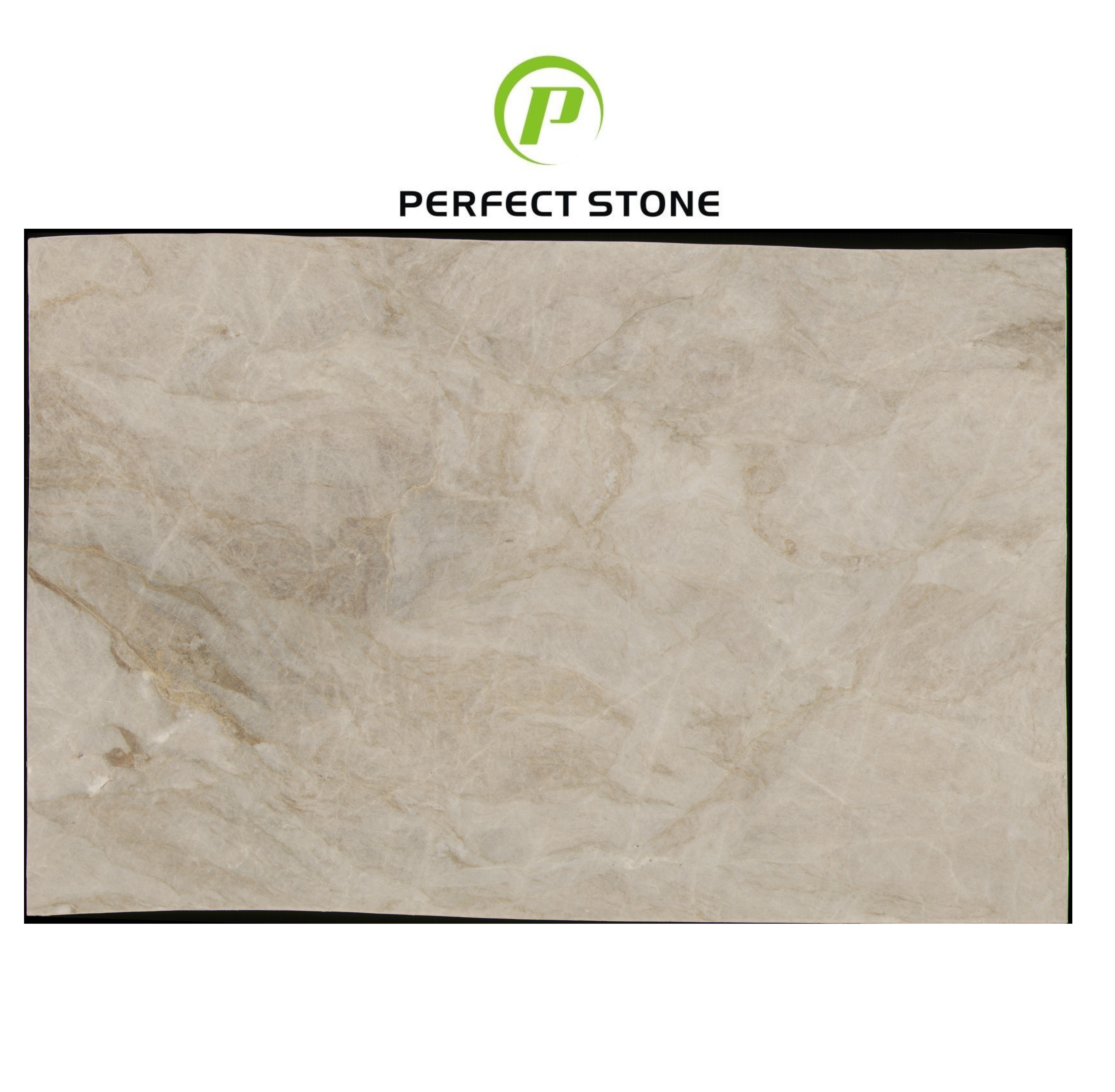
The geological composition of Taj Mahal quartzite provides inherent advantages for cold climate applications, thanks to its metamorphic formation process that creates exceptional structural integrity. Unlike softer natural stones that may experience significant thermal expansion and contraction, this particular quartzite maintains remarkable stability even when subjected to dramatic temperature fluctuations. Professional stone specialists across Canada have documented extensive field performance data showing minimal weather-related deterioration in properly installed Taj Mahal quartzite applications, even after multiple severe winter seasons.
Understanding the specific characteristics that enable certain natural stones to excel in harsh climates requires examining both material properties and installation methodologies. The crystalline structure of Taj Mahal quartzite exhibits low porosity levels, typically measuring between 0.2% to 0.4%, which significantly reduces moisture absorption that could lead to freeze damage. This dense composition creates a natural barrier against water penetration, effectively preventing the internal ice crystal formation that destroys weaker materials during repeated freeze-thaw cycles.
Understanding Quartzite Winter Performance Characteristics
Thermal Expansion Properties of Natural Stone
Thermal expansion coefficients play a crucial role in determining how natural stones respond to temperature variations, particularly in regions where seasonal temperature swings exceed 50 degrees Celsius. Taj Mahal quartzite demonstrates exceptional thermal stability with a linear expansion coefficient of approximately 8.0 × 10⁻⁶ per degree Celsius, significantly lower than many granite varieties and substantially better than limestone or marble alternatives. This controlled expansion rate means that properly installed quartzite surfaces experience minimal stress during temperature transitions, reducing the likelihood of cracking or joint separation.
Professional installation teams across Canadian markets have observed that Taj Mahal quartzite maintains dimensional stability even during extreme weather events, such as the polar vortex conditions experienced in regions like Alberta and Saskatchewan. The material's ability to expand and contract uniformly prevents the development of internal stress concentrations that typically lead to fracture propagation in less suitable materials. Field measurements taken over multiple winter seasons consistently show that thermal movement in quartzite installations remains within acceptable engineering tolerances for both structural and aesthetic applications.
Moisture Resistance and Freeze Protection
The relationship between moisture absorption and freeze damage represents a critical factor in natural stone selection for Canadian climate conditions. Taj Mahal quartzite exhibits exceptionally low water absorption rates, typically testing below 0.4% by mass according to ASTM C97 standard testing protocols. This minimal porosity effectively prevents water from penetrating deep into the stone matrix, where it could freeze and create internal pressure sufficient to cause cracking or spalling damage.
Laboratory testing conducted by Canadian materials testing facilities has demonstrated that Taj Mahal quartzite can withstand over 300 freeze-thaw cycles without showing signs of deterioration, far exceeding the typical requirements for exterior building applications. The dense microstructure of this quartzite variety creates a network of interconnected crystals that resist moisture penetration while maintaining structural integrity under thermal stress. This performance characteristic makes it particularly suitable for applications such as exterior cladding, outdoor countertops, and architectural features that face direct weather exposure throughout Canadian winters.
Installation Considerations for Cold Climate Success
Foundation and Substrate Preparation
Proper substrate preparation forms the foundation of successful Taj Mahal quartzite installations in cold climates, requiring careful attention to thermal bridging, drainage, and structural support systems. Canadian building codes specifically address the need for continuous insulation and vapor barriers when installing natural stone in regions subject to freeze-thaw cycles. The substrate must provide uniform support while accommodating the natural thermal movement of the quartzite without creating stress concentrations that could lead to failure.
Professional installers across Canada recommend using high-performance adhesive systems specifically formulated for cold weather applications when working with Taj Mahal quartzite. These specialized bonding agents maintain flexibility at low temperatures while providing the mechanical strength necessary to resist wind loads and thermal stress. The installation process should include proper expansion joints sized according to the expected temperature range, typically allowing for movement of 3-5 millimeters per linear meter in Canadian climate conditions.
Sealing and Protection Strategies
While Taj Mahal quartzite naturally resists moisture penetration, professional sealing applications can provide additional protection against harsh Canadian weather conditions. High-quality penetrating sealers designed specifically for natural quartzite can enhance the stone's natural water resistance without altering its appearance or texture. These protective treatments typically require reapplication every 3-5 years in exterior applications, depending on exposure conditions and local climate severity.
The selection of appropriate sealing products for Taj Mahal quartzite installations requires understanding the interaction between sealer chemistry and natural stone composition. Silane-based sealers have proven particularly effective for quartzite applications in cold climates, as they penetrate deeply into the stone matrix without creating a surface film that could be damaged by freeze-thaw action. Professional contractors recommend applying sealers during optimal weather conditions, typically when ambient temperatures remain above 10 degrees Celsius for at least 24 hours after application.
Performance Comparison with Alternative Materials
Quartzite Versus Granite in Cold Climates
Comparative analysis between Taj Mahal quartzite and popular granite varieties reveals significant differences in cold weather performance characteristics. While granite generally performs well in Canadian climates, certain varieties exhibit higher thermal expansion rates and increased susceptibility to freeze damage when moisture penetrates natural fissures or processing-induced microcracks. Taj Mahal quartzite's metamorphic formation process creates a more uniform crystal structure with fewer natural weak points that could compromise long-term durability.
Field performance data collected from installations across Canadian metropolitan areas shows that Taj Mahal quartzite requires less maintenance than comparable granite installations after five years of exposure to harsh winter conditions. The superior density and lower porosity of quartzite translate to reduced staining potential and easier cleaning maintenance, particularly important considerations for exterior applications where de-icing salts and winter contaminants can cause aesthetic degradation in more porous materials.
Natural Stone Versus Engineered Alternatives
The comparison between natural Taj Mahal quartzite and engineered stone products reveals distinct advantages and limitations for Canadian climate applications. While engineered materials offer consistent properties and controlled porosity, they may exhibit different thermal expansion characteristics that could create compatibility issues when used in conjunction with other building materials. Natural quartzite provides the aesthetic authenticity and unique character that many homeowners and architects prefer, while delivering proven performance in demanding climate conditions.
Cost considerations over the expected service life often favor natural quartzite installations, particularly when factoring in the reduced maintenance requirements and exceptional longevity that characterize properly installed Taj Mahal quartzite systems. The initial investment in premium natural stone typically provides superior long-term value through reduced replacement costs and minimal ongoing maintenance requirements compared to alternative materials that may require more frequent intervention in harsh climate conditions.
Real-World Canadian Installation Case Studies
Residential Exterior Applications
Documented case studies from residential installations across Canadian provinces demonstrate the exceptional performance of Taj Mahal quartzite in diverse climate conditions ranging from coastal British Columbia moisture to Prairie Province temperature extremes. A notable installation in Calgary, Alberta, has shown no signs of weather-related deterioration after six winters of exposure to temperatures reaching minus 35 degrees Celsius, combined with significant wind-driven snow and ice accumulation.
The homeowners in this Calgary installation specifically selected Taj Mahal quartzite for their outdoor kitchen and entertainment area after consulting with local stone specialists who provided performance guarantees based on material testing and regional climate data. The installation includes countertops, backsplashes, and accent walls that remain fully exposed to weather conditions year-round, yet continue to maintain their original appearance and structural integrity without requiring remedial work or protective covering during winter months.
Commercial Building Performance
Commercial building applications provide additional insights into the long-term durability of Taj Mahal quartzite under demanding Canadian climate conditions. A prominent office complex in Toronto incorporated quartzite cladding elements that have successfully weathered multiple harsh winters without showing signs of thermal stress or moisture-related damage. The building's architectural firm specifically chose quartzite over alternative materials based on lifecycle cost analysis and performance testing conducted by independent materials laboratories.
Regular inspection reports from this Toronto installation document the stable condition of Taj Mahal quartzite elements after four years of service, including exposure to de-icing chemicals, urban pollution, and significant temperature cycling. The building maintenance team reports minimal cleaning requirements and no observed degradation in surface quality or structural performance, validating the original material selection criteria that prioritized long-term durability over initial cost considerations.
Maintenance and Long-Term Care Strategies
Winter Cleaning and Protection Protocols
Effective maintenance strategies for Taj Mahal quartzite installations in Canadian winters focus on preventing damage from de-icing chemicals and mechanical wear rather than addressing weather-related deterioration. The natural resistance of quartzite to freeze-thaw damage means that most maintenance activities center on preserving aesthetic appearance and preventing the accumulation of contaminants that could affect surface quality over time.
Professional maintenance protocols recommend using pH-neutral cleaning products and avoiding harsh chemicals that could interact with sealing treatments or natural mineral components. Snow and ice removal should employ plastic or rubber tools rather than metal scrapers that could scratch the surface, though the hardness of Taj Mahal quartzite provides excellent resistance to mechanical damage compared to softer natural stones like marble or limestone.
Seasonal Inspection and Preventive Care
Annual inspection schedules should focus on joint sealing integrity and the condition of expansion joints rather than searching for weather-related damage to the quartzite itself. Spring inspections following severe winter conditions typically reveal minimal issues with properly installed Taj Mahal quartzite, allowing maintenance efforts to concentrate on ancillary components such as mounting systems, drainage elements, and interface details with other building materials.
Preventive care measures for Taj Mahal quartzite installations primarily involve maintaining proper drainage to prevent water accumulation and ensuring that expansion joints remain clear of debris that could interfere with natural thermal movement. The exceptional durability of quartzite means that most maintenance activities focus on preserving installation quality rather than repairing weather-related damage, significantly reducing long-term ownership costs compared to less durable alternatives.
FAQ
How does Taj Mahal quartzite perform in temperatures below minus 30 degrees Celsius
Taj Mahal quartzite maintains excellent structural integrity at extreme low temperatures, with documented performance down to minus 40 degrees Celsius without cracking or spalling. The dense crystalline structure and low thermal expansion coefficient allow the material to contract uniformly without developing internal stress concentrations that could cause failure. Professional installations across Canadian Prairie provinces regularly experience these temperature extremes without reporting quartzite-related issues.
Does Taj Mahal quartzite require special sealers for Canadian climate conditions
While Taj Mahal quartzite naturally resists moisture penetration, professional-grade penetrating sealers can provide enhanced protection against de-icing salts and harsh weather conditions. Silane-based sealers specifically formulated for natural stone applications work best in cold climates, requiring reapplication every 3-5 years depending on exposure conditions. The natural low porosity of quartzite means that sealing provides additional protection rather than being essential for basic weather resistance.
What installation methods work best for exterior Taj Mahal quartzite in cold climates
Successful cold climate installations require proper substrate preparation with continuous insulation, vapor barriers, and flexible adhesive systems designed for temperature cycling. Expansion joints should accommodate 3-5 millimeters of movement per linear meter, and installation should occur when temperatures remain above 10 degrees Celsius for proper adhesive curing. Professional contractors emphasize the importance of proper drainage design to prevent water accumulation that could freeze against the stone surface.
How long can properly installed Taj Mahal quartzite last in Canadian winters
Properly installed Taj Mahal quartzite can provide decades of service in Canadian climate conditions, with many installations showing minimal deterioration after 10-15 years of exposure to harsh winters. The natural durability of quartzite, combined with professional installation techniques, typically results in service lives exceeding 25-30 years for exterior applications. Regular maintenance focuses on preserving installation components rather than replacing weather-damaged stone, making quartzite an excellent long-term investment for Canadian properties.
Table of Contents
- Understanding Quartzite Winter Performance Characteristics
- Installation Considerations for Cold Climate Success
- Performance Comparison with Alternative Materials
- Real-World Canadian Installation Case Studies
- Maintenance and Long-Term Care Strategies
-
FAQ
- How does Taj Mahal quartzite perform in temperatures below minus 30 degrees Celsius
- Does Taj Mahal quartzite require special sealers for Canadian climate conditions
- What installation methods work best for exterior Taj Mahal quartzite in cold climates
- How long can properly installed Taj Mahal quartzite last in Canadian winters