 EN
EN


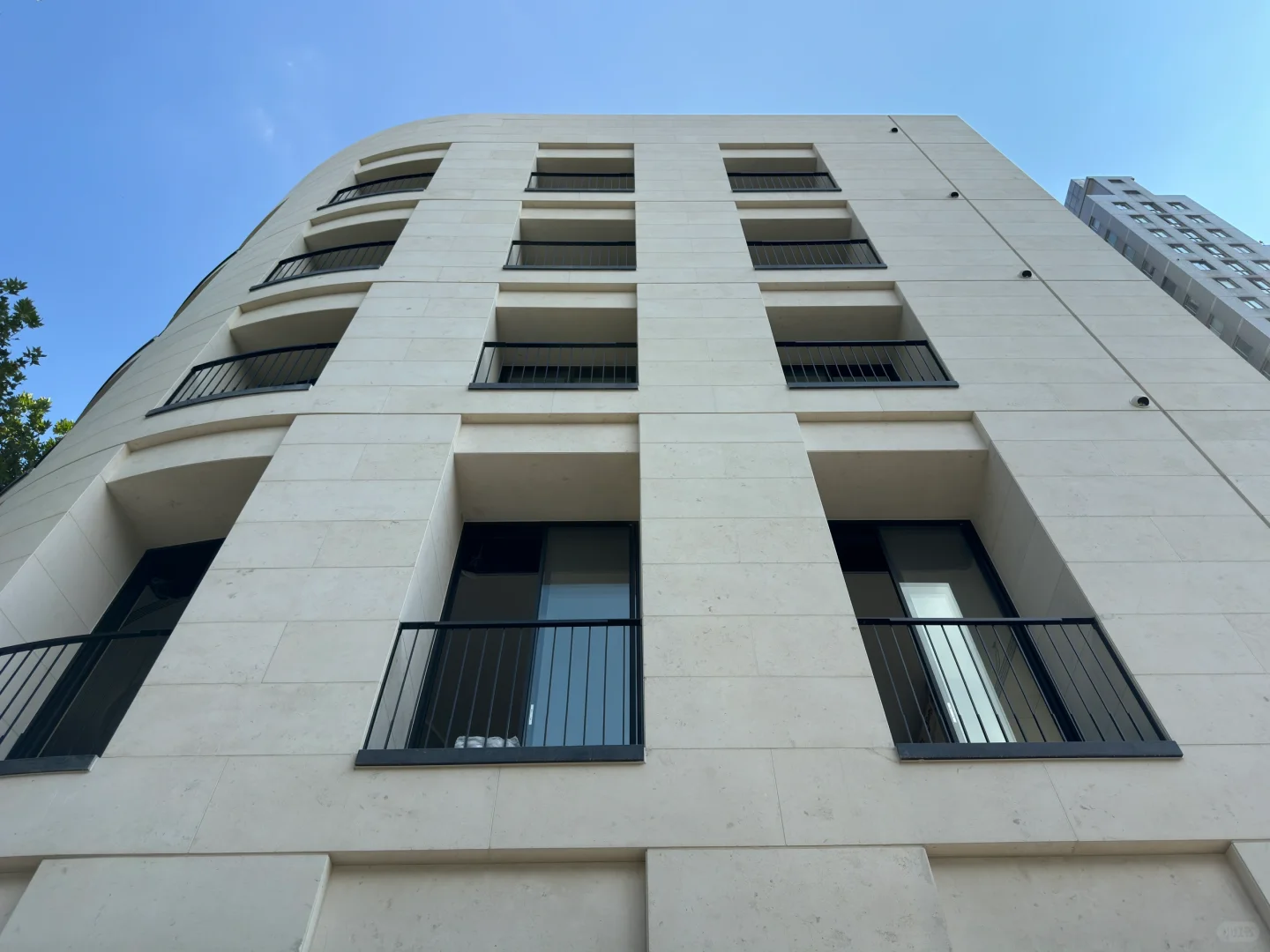
Australian homeowners are increasingly seeking durable and aesthetically pleasing materials for their outdoor spaces, with limestone outdoor paving emerging as a top contender. This natural stone combines timeless elegance with practical functionality, making it an ideal choice for patios, walkways, pool areas, and garden paths. The unique characteristics of limestone, including its natural beauty and weather resistance, have positioned it as a preferred material for outdoor applications across Australia's diverse climate zones.
The appeal of limestone outdoor paving extends beyond its visual charm, encompassing practical benefits that make it suitable for Australia's challenging outdoor conditions. From the tropical north to the temperate south, this versatile material adapts to various environmental factors while maintaining its structural integrity and appearance. Understanding the comprehensive advantages and considerations of limestone outdoor paving helps property owners make informed decisions about their outdoor renovation projects.
Natural Beauty and Aesthetic Appeal
Distinctive Visual Characteristics
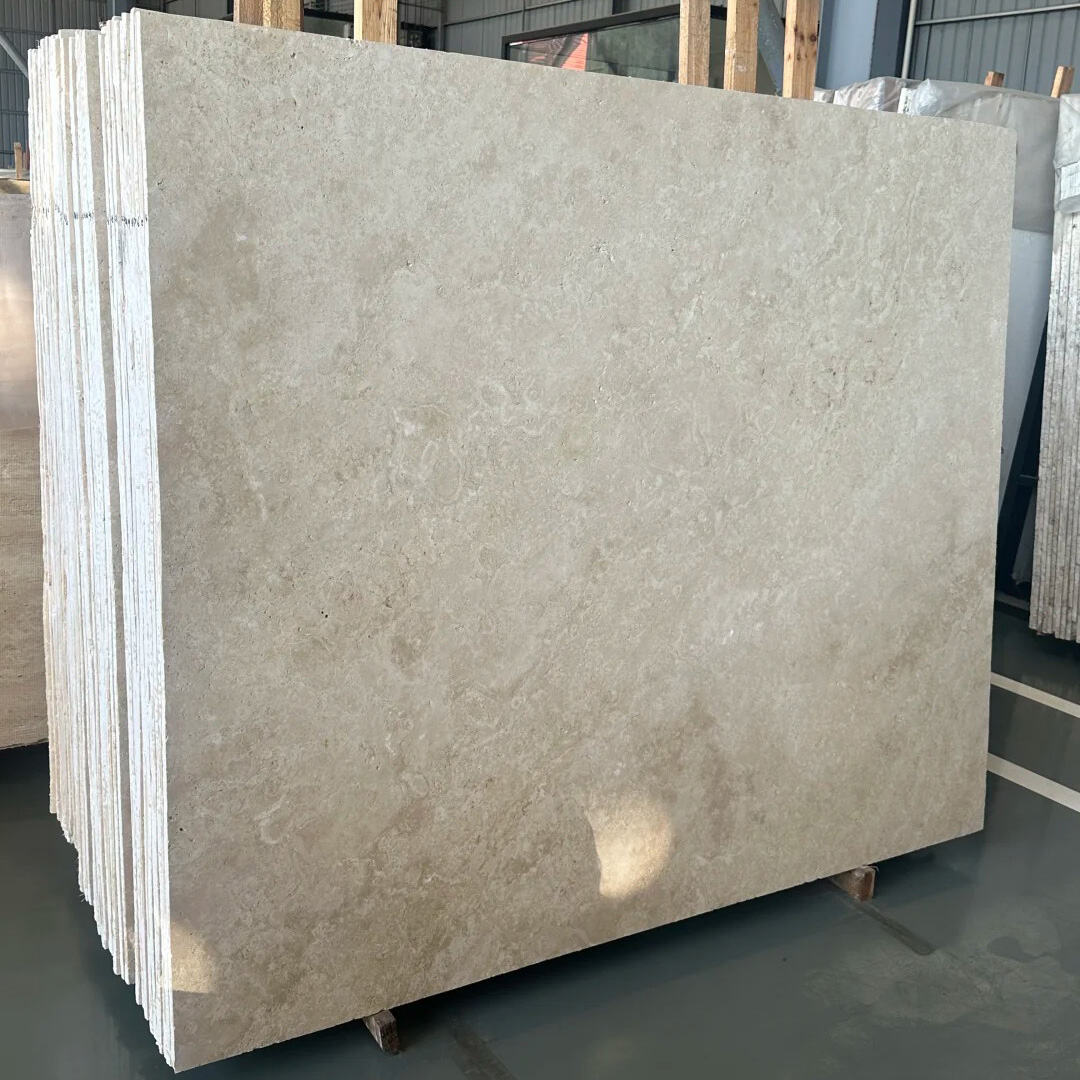
Limestone outdoor paving offers a sophisticated appearance that complements both contemporary and traditional architectural styles. The natural variations in color, texture, and pattern create unique visual interest that cannot be replicated by manufactured materials. Each piece of limestone displays subtle differences in tone and grain, contributing to an organic and authentic outdoor environment that enhances property value and curb appeal.
The neutral color palette of limestone outdoor paving ranges from warm creams and beiges to cooler grays and whites, providing versatile design options for various landscaping themes. These earth tones create a harmonious backdrop that allows other landscape elements, such as plants, water features, and outdoor furniture, to stand out prominently. The natural aging process of limestone adds character over time, developing a patina that enhances rather than detracts from its original beauty.
Design Versatility and Applications
The adaptability of limestone outdoor paving makes it suitable for numerous outdoor applications, from formal entertaining areas to casual garden pathways. Its ability to be cut into various shapes and sizes allows for creative design implementations, including geometric patterns, curved installations, and mixed-media combinations with other natural materials. This flexibility enables designers and homeowners to create unique outdoor spaces that reflect personal style preferences.
Contemporary landscape design increasingly incorporates limestone outdoor paving as a foundational element that unifies different outdoor zones. The material's ability to transition seamlessly between indoor and outdoor spaces creates cohesive design flow, particularly beneficial for open-plan homes with extensive outdoor living areas. This continuity enhances the perception of space and creates a more integrated living environment.
Durability and Weather Resistance
Structural Integrity in Australian Climates
Australia's diverse climate conditions demand outdoor materials that can withstand extreme temperatures, UV exposure, and varying moisture levels. Limestone outdoor paving demonstrates exceptional resilience across these challenging conditions, maintaining its structural integrity even under prolonged exposure to harsh weather elements. The dense composition of quality limestone provides natural resistance to cracking and deterioration, ensuring long-term performance in outdoor applications.
The thermal properties of limestone outdoor paving contribute significantly to its weather resistance, as the material naturally regulates temperature fluctuations without experiencing significant expansion or contraction. This characteristic prevents the formation of stress fractures that commonly affect other paving materials in climates with dramatic temperature variations. Additionally, limestone's natural porosity allows for proper drainage while maintaining surface stability during wet conditions.
Longevity and Maintenance Benefits
Investment in limestone outdoor paving represents a long-term solution for outdoor flooring needs, with properly installed limestone surfaces lasting several decades with minimal maintenance requirements. The material's resistance to wear, weathering, and biological growth reduces ongoing maintenance costs compared to alternative paving options. Regular cleaning and periodic sealing are typically sufficient to maintain the appearance and functionality of limestone outdoor paving installations.
The self-healing properties of limestone contribute to its longevity, as minor surface scratches and scuffs often become less noticeable over time through natural weathering processes. This characteristic reduces the need for frequent repairs or replacements, making limestone outdoor paving a cost-effective choice for busy households and commercial properties. The material's ability to age gracefully means that older installations often develop enhanced character rather than appearing worn or outdated.
Practical Installation Considerations
Site Preparation and Foundation Requirements
Successful limestone outdoor paving installation requires careful attention to site preparation and foundation design to ensure optimal performance and longevity. Proper excavation, drainage planning, and base preparation are critical factors that influence the long-term stability and appearance of the finished installation. Professional assessment of soil conditions, drainage patterns, and load requirements helps determine appropriate foundation specifications for specific applications.
The installation process for limestone outdoor paving typically involves creating a stable base using compacted aggregate materials, followed by a leveling sand bed to accommodate the natural variations in limestone thickness. Proper joint spacing and sealing techniques prevent water infiltration and maintain surface stability during seasonal ground movement. These technical considerations require experienced installers familiar with limestone outdoor paving requirements to achieve professional results.
Professional Installation vs DIY Approaches
While limestone outdoor paving installation may appear straightforward, the technical requirements and specialized tools necessary for proper installation often justify professional contractor engagement. Experienced installers understand the nuances of working with natural stone, including proper handling techniques, cutting methods, and sealing procedures that ensure optimal results. Professional installation typically includes warranty coverage and compliance with local building codes and regulations.
DIY approaches to limestone outdoor paving installation require significant planning, tool investment, and technical knowledge to achieve satisfactory results. Improper installation techniques can lead to uneven surfaces, drainage problems, and premature deterioration that may require costly corrections. The weight and fragility of limestone tiles demand careful handling and specialized cutting equipment that may not be readily available to typical homeowners undertaking independent installation projects.
Cost Analysis and Value Proposition
Initial Investment Considerations
The upfront cost of limestone outdoor paving represents a significant investment that varies based on material grade, installation complexity, and project scope. Premium limestone varieties and intricate design patterns command higher prices, while standard installations using common limestone types offer more economical entry points into natural stone paving. Comparing initial costs with long-term benefits provides a more accurate assessment of overall value proposition.
Material costs for limestone outdoor paving typically exceed those of manufactured alternatives such as concrete pavers or ceramic tiles. However, the durability and longevity advantages of limestone often result in lower lifecycle costs when maintenance, replacement, and aesthetic depreciation factors are considered. Additionally, the positive impact on property value often offsets initial investment premiums, particularly in premium residential markets where natural materials command recognition and appreciation.
Long-term Economic Benefits
The economic benefits of limestone outdoor paving extend beyond initial cost considerations to encompass long-term value retention and enhancement. Properties featuring quality natural stone installations often command premium prices in resale markets, with limestone outdoor paving contributing significantly to overall property appeal and marketability. This appreciation potential helps justify initial investment costs through improved asset value.
Maintenance cost advantages become apparent over time, as limestone outdoor paving requires minimal ongoing care compared to alternative materials that may need frequent repairs, refinishing, or replacement. The material's resistance to staining, fading, and structural deterioration reduces long-term ownership costs while maintaining consistently attractive appearance. Energy efficiency benefits also contribute to economic advantages, as limestone's thermal properties can reduce cooling costs in adjacent indoor spaces.
Environmental Impact and Sustainability
Natural Material Advantages
Limestone outdoor paving represents an environmentally conscious choice due to its natural origin and minimal processing requirements compared to manufactured alternatives. The extraction and preparation of limestone involve significantly less energy consumption and chemical processing than synthetic paving materials, resulting in reduced environmental impact throughout the production cycle. This natural approach aligns with growing consumer preferences for sustainable building materials.
The longevity of limestone outdoor paving installations contributes to environmental sustainability by reducing replacement frequency and associated resource consumption. Unlike manufactured materials that may require regular replacement due to wear or aesthetic obsolescence, quality limestone installations can serve effectively for decades without significant environmental impact from replacement activities. This durability factor makes limestone outdoor paving an environmentally responsible long-term choice.
Local Sourcing and Transportation Benefits
Australia's abundant limestone deposits enable local sourcing for limestone outdoor paving projects, reducing transportation-related environmental impacts and supporting domestic quarrying operations. Local sourcing also ensures material compatibility with regional climate conditions and architectural traditions, enhancing both performance and aesthetic integration. Supporting local limestone suppliers contributes to regional economic development while minimizing environmental footprint.
The availability of locally sourced limestone outdoor paving materials often provides cost advantages while reducing project timelines and logistics complexity. Local suppliers typically offer better material selection guidance and ongoing support services compared to distant suppliers, ensuring optimal material choice for specific applications. This local connection also facilitates easier warranty service and replacement material availability for future maintenance needs.
Maintenance and Care Requirements
Routine Cleaning and Preservation
Maintaining limestone outdoor paving involves straightforward procedures that preserve both appearance and functionality without requiring specialized equipment or materials. Regular sweeping and occasional washing with mild detergent solutions remove surface debris and prevent buildup that could affect appearance or drainage performance. Avoiding harsh chemicals and abrasive cleaning methods helps preserve the natural surface texture and prevents damage to the stone structure.
Seasonal maintenance for limestone outdoor paving includes inspection for joint deterioration, surface damage, and drainage issues that may require attention. Prompt addressing of minor issues prevents progression to more significant problems requiring extensive repairs. The natural aging characteristics of limestone outdoor paving mean that proper maintenance enhances rather than merely maintains the material's appearance over time.
Protection and Sealing Strategies
Sealing limestone outdoor paving provides additional protection against staining and weathering while preserving natural appearance characteristics. Modern sealing products offer invisible protection that maintains the stone's natural breathability while providing resistance to oil, water, and biological staining. Professional assessment helps determine appropriate sealing frequency and product selection based on specific exposure conditions and usage patterns.
The decision to seal limestone outdoor paving depends on factors including stone porosity, exposure conditions, and aesthetic preferences. Some limestone varieties benefit from immediate sealing, while others develop attractive natural patina through weathering that sealing might prevent. Understanding these characteristics helps property owners make informed decisions about protective treatments that align with long-term maintenance goals and appearance expectations.
FAQ
How long does limestone outdoor paving typically last in Australian conditions
Quality limestone outdoor paving installations can last 30-50 years or more in Australian conditions when properly installed and maintained. The material's natural durability and weather resistance make it exceptionally well-suited to Australia's diverse climate zones, from tropical areas to temperate regions. Factors affecting longevity include limestone grade, installation quality, maintenance practices, and specific environmental conditions. Regular maintenance and proper drainage help maximize the lifespan of limestone outdoor paving installations.
What maintenance is required for limestone outdoor paving
Limestone outdoor paving requires minimal maintenance consisting primarily of regular cleaning with water and mild detergent, periodic sealing every 3-5 years depending on exposure conditions, and prompt attention to any joint or surface damage. Avoiding harsh chemicals, acidic cleaners, and high-pressure washing helps preserve the natural stone surface. Seasonal inspection for drainage issues and joint deterioration enables early intervention to prevent more significant problems from developing.
Is limestone outdoor paving suitable for pool areas
Yes, limestone outdoor paving is excellent for pool areas due to its natural slip resistance, cooling properties, and resistance to pool chemicals when properly sealed. The material's ability to stay relatively cool underfoot makes it comfortable for barefoot use around pools. Proper drainage design and regular maintenance help manage pool splash and prevent chemical damage. Many limestone varieties offer naturally textured surfaces that provide good traction when wet.
How does limestone outdoor paving compare cost-wise to other materials
While limestone outdoor paving typically requires higher initial investment than concrete or ceramic alternatives, its durability and longevity often result in lower total lifecycle costs. The material adds significant value to properties and requires minimal replacement or repair over its lifespan. When factoring in longevity, maintenance costs, and property value enhancement, limestone outdoor paving often provides superior long-term value despite higher upfront costs compared to manufactured alternatives.