 EN
EN


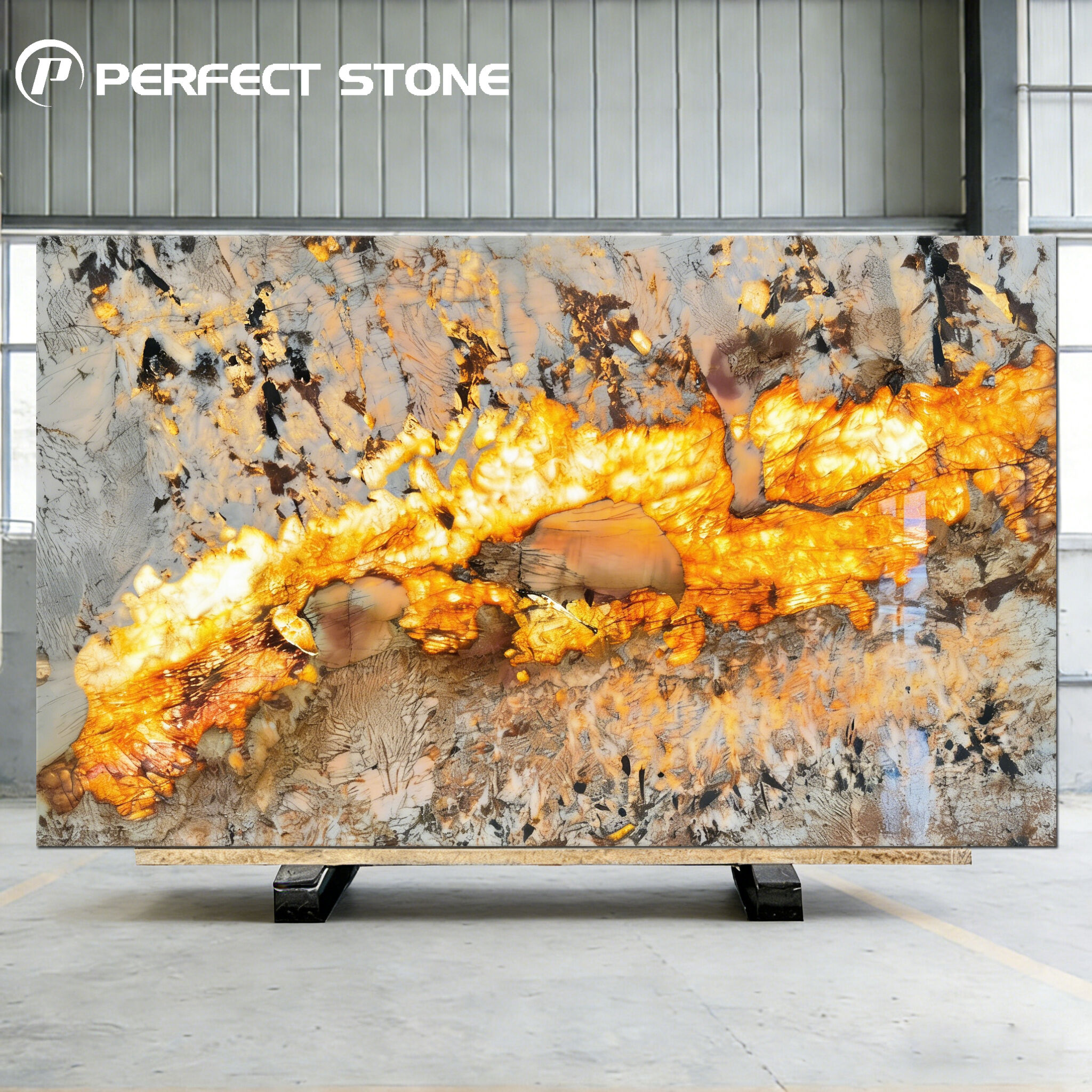
Patagonia Quartzite has emerged as one of the most sought-after natural stones in contemporary American interior design, offering designers and homeowners a unique combination of dramatic aesthetics and exceptional durability. This extraordinary stone, with its distinctive veining patterns and rich color variations, transforms ordinary spaces into architectural masterpieces. The growing demand for Patagonia Quartzite in luxury residential and commercial projects reflects its ability to create stunning focal points while maintaining the practical benefits that modern lifestyles require.
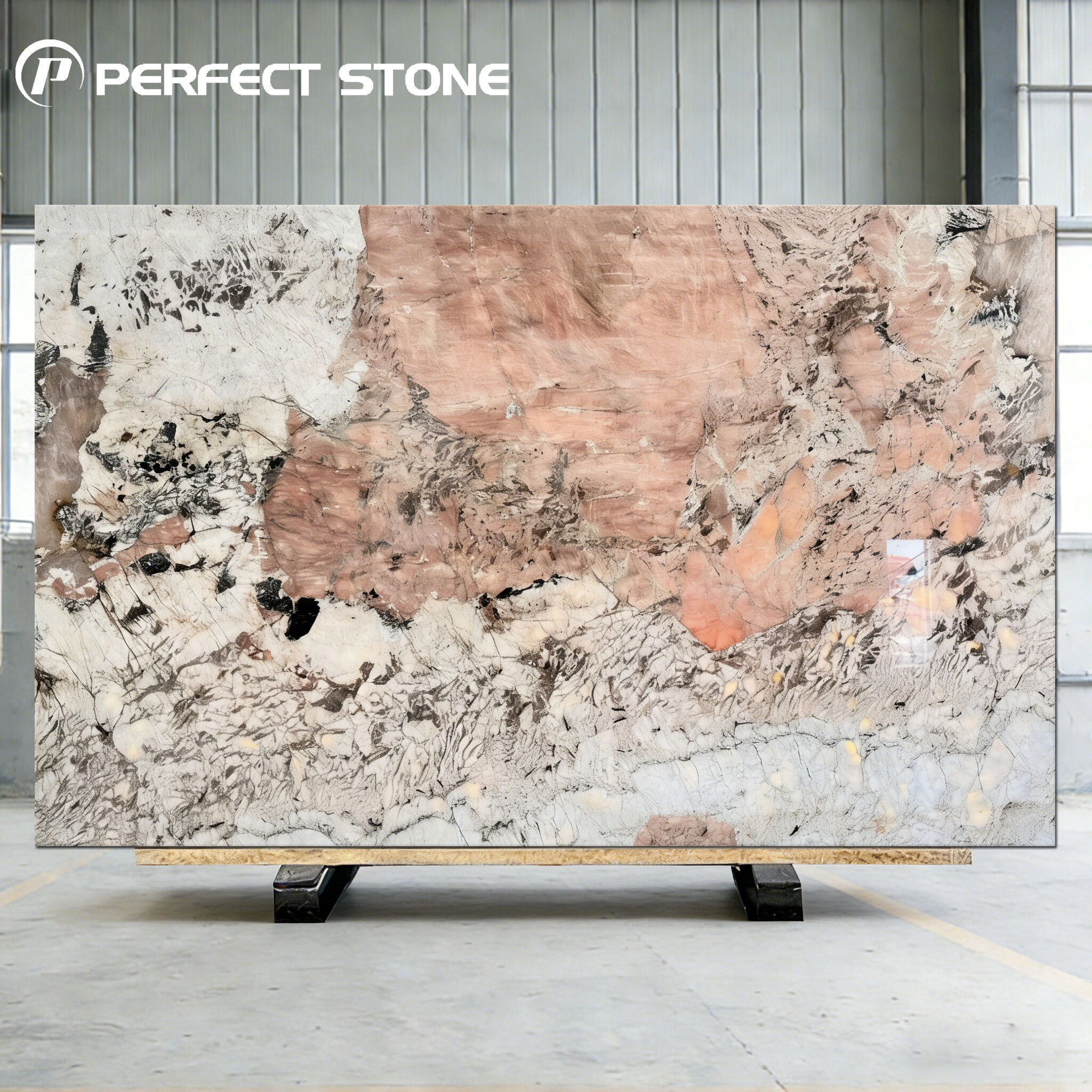
The appeal of this remarkable stone extends far beyond its visual impact, encompassing superior performance characteristics that make it an ideal choice for high-traffic areas and demanding applications. Interior designers across the United States are increasingly specifying Patagonia Quartzite for projects ranging from intimate residential kitchens to expansive commercial lobbies, recognizing its versatility and timeless elegance. The stone's natural formation process has created unique patterns that cannot be replicated by manufactured materials, giving each installation a distinctive character that speaks to the growing appreciation for authentic, natural materials in modern design.
Understanding Patagonia Quartzite Composition and Formation
Natural Formation Process and Geological Origins
The formation of Patagonia Quartzite represents millions of years of geological processes that have created one of nature's most resilient and beautiful materials. This metamorphic stone begins its journey as sandstone, which undergoes intense heat and pressure deep within the Earth's crust, transforming the original quartz grains into a dense, interlocked crystalline structure. The distinctive veining patterns that make Patagonia Quartzite so desirable result from mineral deposits and fluid movements during this metamorphic process, creating unique geological signatures that vary from slab to slab.
The specific conditions required to form high-quality Patagonia Quartzite occur in relatively few locations worldwide, contributing to its exclusivity and value in the marketplace. The stone's remarkable hardness, typically rating 7 on the Mohs scale, results from the tight bonding between quartz crystals that occurs during metamorphism. This geological transformation also creates the stone's characteristic translucency, allowing light to penetrate slightly into the surface and creating the subtle luminous quality that designers prize for backlit applications and dramatic lighting effects.
Mineral Content and Physical Properties
The mineral composition of Patagonia Quartzite consists primarily of quartz crystals, typically comprising 85-95% of the stone's total content, with the remaining percentage consisting of various accessory minerals that contribute to its color and veining patterns. Common secondary minerals include feldspar, mica, and trace amounts of iron oxides, which create the warm tones and distinctive markings that characterize this stone. The high quartz content directly correlates to the material's exceptional durability and resistance to chemical etching, making it superior to marble and limestone for kitchen applications.
Physical testing of Patagonia Quartzite consistently demonstrates impressive performance metrics, including low water absorption rates typically below 0.4%, excellent freeze-thaw resistance, and compressive strength exceeding 20,000 PSI. These properties translate into practical benefits for end users, including resistance to staining, minimal maintenance requirements, and longevity that justifies the initial investment. The stone's thermal stability also makes it suitable for applications involving heat exposure, such as kitchen islands and fireplace surrounds, where other natural stones might suffer damage or discoloration.
Design Applications and Aesthetic Versatility
Kitchen and Bathroom Installations
Kitchen applications represent the most popular use for Patagonia Quartzite in American homes, where its combination of beauty and functionality creates ideal working surfaces for culinary enthusiasts. The stone's resistance to heat, scratching, and staining makes it particularly well-suited for kitchen islands, where it can serve as both a preparation surface and a dramatic design element. Professional chefs and serious home cooks appreciate the stone's ability to maintain its appearance despite heavy use, while interior designers value its capacity to serve as either a subtle backdrop or a bold statement piece depending on the overall design scheme.
In bathroom applications, Patagonia Quartzite creates luxurious vanity tops and shower surrounds that resist moisture-related issues common with other natural stones. The stone's low porosity eliminates concerns about water penetration and bacterial growth, while its natural beauty creates spa-like environments that enhance the bathing experience. Modern bathroom designs increasingly feature large-format Patagonia Quartzite slabs that minimize seams and create seamless, sculptural forms that emphasize the stone's natural patterns and colors.
Architectural Features and Statement Walls
The use of Patagonia Quartzite in architectural features has gained significant momentum in contemporary American design, particularly for creating dramatic accent walls and sculptural elements that serve as focal points within interior spaces. The stone's natural veining patterns lend themselves beautifully to book-matching techniques, where adjacent slabs are mirrored to create symmetrical designs that enhance the material's inherent drama. These installations often become the defining element of a room, establishing a sophisticated aesthetic that influences all other design decisions.
Fireplace surrounds crafted from Patagonia Quartzite represent another popular application, where the stone's heat resistance and visual impact combine to create stunning centerpieces for living spaces. The material's ability to be fabricated into various profiles and edge treatments allows designers to create custom solutions that complement both traditional and contemporary architectural styles. Large-scale installations, such as floor-to-ceiling feature walls, showcase the stone's most dramatic slabs and create immersive environments that celebrate the beauty of natural materials.
Fabrication Techniques and Installation Considerations
Cutting and Shaping Processes
The fabrication of Patagonia Quartzite requires specialized equipment and expertise due to the material's exceptional hardness and the precision needed to preserve its natural beauty during processing. Diamond-embedded cutting tools and water-cooled systems are essential for achieving clean, accurate cuts without causing thermal damage or micro-fractures that could compromise the stone's integrity. Experienced fabricators understand the importance of analyzing each slab's grain structure and natural stress points before cutting, ensuring that fabrication processes work with, rather than against, the stone's natural characteristics.
Edge finishing represents a critical aspect of Patagonia Quartzite fabrication, with options ranging from simple polished edges to elaborate decorative profiles that enhance the stone's visual impact. The hardness that makes this material so durable also requires specialized polishing compounds and extended processing times to achieve the mirror-like finish that clients expect. Advanced fabrication techniques, such as CNC machining and waterjet cutting, enable the creation of intricate details and precise fits that ensure seamless integration with other architectural elements.
Installation Best Practices and Support Systems
Proper installation of Patagonia Quartzite requires careful attention to support structures and substrate preparation, as the stone's weight and rigidity demand robust mounting systems that can accommodate thermal movement and structural settling. Professional installers typically specify engineered support frameworks that distribute loads evenly and provide adequate backing for the stone, particularly in vertical applications where gravitational forces create additional stress points. The installation process must also account for the stone's coefficient of thermal expansion, incorporating appropriate movement joints and flexible sealants to prevent cracking or displacement.
Seaming techniques for large Patagonia Quartzite installations have evolved significantly, with modern color-matched adhesives and precision cutting equipment enabling nearly invisible joints that maintain the stone's continuous appearance. Installation teams must coordinate carefully with other trades to ensure that plumbing, electrical, and HVAC systems are properly integrated without compromising the stone's structural integrity or aesthetic impact. Quality control during installation includes verification of level surfaces, proper support, and appropriate sealing of all joints and penetrations.
Maintenance Requirements and Longevity
Daily Care and Cleaning Protocols
The maintenance requirements for Patagonia Quartzite are remarkably minimal compared to other natural stones, making it an attractive choice for busy households and commercial environments where simplicity of care is essential. Daily cleaning typically requires nothing more than warm water and mild, pH-neutral cleaners that remove surface debris without affecting the stone's finish or protective treatments. The material's low porosity means that most spills can be wiped away without penetrating the surface, eliminating the urgent cleanup requirements associated with more porous stones like marble or limestone.
Professional cleaning protocols for Patagonia Quartzite emphasize the importance of avoiding acidic or abrasive products that could potentially damage the polished surface over time. While the stone's chemical resistance is superior to most natural materials, maintaining its pristine appearance requires consistent use of appropriate cleaning products and techniques. Regular cleaning with microfiber cloths and stone-specific cleaners helps preserve the surface's reflective qualities and prevents the buildup of soap films or mineral deposits that could dull the finish.
Sealing and Protection Strategies
Unlike many natural stones, Patagonia Quartzite's extremely low porosity often makes sealing unnecessary, though many professionals recommend applying a high-quality penetrating sealer as an additional protective measure, particularly in high-use areas. When sealing is performed, the process typically involves applying a silicone-based impregnating sealer that penetrates slightly into the stone's surface to provide enhanced stain resistance without altering the material's appearance or texture. The frequency of sealer application depends on usage patterns and environmental conditions, but properly applied treatments often last several years before requiring renewal.
Long-term protection strategies for Patagonia Quartzite installations focus on preventing mechanical damage rather than chemical protection, given the stone's natural resistance to most household chemicals and staining agents. Using cutting boards, trivets, and protective pads helps preserve the polished surface from scratches and impact damage that could affect the stone's appearance over time. Professional maintenance programs often include periodic inspection and repolishing of high-wear areas to maintain consistent appearance throughout the installation's lifespan.
Cost Analysis and Market Considerations
Investment Value and Pricing Factors
The investment value of Patagonia Quartzite reflects both its initial cost and long-term performance characteristics, making it a financially sound choice for discerning property owners who prioritize quality and durability. Pricing factors include slab rarity, pattern intensity, and color consistency, with the most dramatic examples commanding premium prices that reflect their unique aesthetic qualities. Market analysis consistently shows that properties featuring high-quality Patagonia Quartzite installations maintain higher resale values compared to those with manufactured alternatives, offsetting the initial investment through enhanced property appreciation.
Regional availability significantly impacts pricing, with transportation costs from quarries adding to the material's base price in markets distant from source locations. Fabrication complexity also influences total project costs, as intricate edge details, custom shapes, and challenging installations require additional labor and expertise. However, the stone's durability and timeless appeal often result in lower total cost of ownership when compared to materials that require frequent replacement or extensive maintenance over time.
Market Trends and Future Outlook
Current market trends indicate growing demand for Patagonia Quartzite across multiple segments of the American construction and remodeling industry, driven by increasing consumer awareness of natural stone benefits and design professionals' recognition of the material's versatility. The trend toward larger format slabs and seamless installations has particularly favored this material, as its structural integrity allows for dramatic applications that would be impossible with more fragile stones. Sustainability concerns are also driving increased interest in natural materials like Patagonia Quartzite, which offer longevity and recyclability advantages over manufactured alternatives.
Future market projections suggest continued growth in demand for premium natural stones, with Patagonia Quartzite well-positioned to capture an increasing share of high-end residential and commercial projects. Technological advances in fabrication and installation techniques are making the material more accessible to a broader range of applications, while improved supply chain efficiency is helping to moderate pricing pressures. The stone's proven performance in diverse climates and applications throughout the United States has established a track record that supports continued market expansion and acceptance among design professionals and end users.
Environmental Impact and Sustainability
Extraction and Processing Considerations
The environmental impact of Patagonia Quartzite production begins with responsible quarrying practices that minimize ecological disruption while maximizing material yield and quality. Modern quarrying operations employ precision cutting techniques and waste reduction strategies that significantly reduce the environmental footprint associated with stone extraction. Advanced planning and selective harvesting ensure that the most valuable portions of each quarry block are utilized effectively, while waste materials are often repurposed for aggregate applications or landscape uses, creating a more sustainable overall process.
Processing facilities have implemented water recycling systems and energy-efficient equipment to reduce the environmental impact of transforming raw quarry blocks into finished slabs. The durability of Patagonia Quartzite means that energy invested in extraction and processing is amortized over decades of use, creating a favorable lifecycle energy balance compared to materials requiring frequent replacement. Transportation efficiency improvements, including optimized shipping methods and regional distribution networks, continue to reduce the carbon footprint associated with delivering this premium material to American markets.
Lifecycle Benefits and Recyclability
The exceptional longevity of Patagonia Quartzite installations provides significant environmental benefits through reduced material consumption over time, as properly installed stone can serve effectively for generations without requiring replacement. This durability characteristic directly translates into reduced waste generation and lower resource consumption compared to alternative materials with shorter service lives. When renovation or demolition does eventually occur, the stone's continued structural integrity enables recycling into new applications, extending its useful life and reducing landfill burden.
Lifecycle assessment studies consistently demonstrate that natural stones like Patagonia Quartzite offer superior environmental performance when evaluated over extended time periods, despite higher initial energy requirements for extraction and processing. The material's chemical stability means it does not release volatile compounds or degrade into harmful substances over time, contributing to healthier indoor environments and reduced environmental impact throughout its service life. These sustainability advantages are increasingly important considerations for environmentally conscious consumers and green building certification programs.
FAQ
How does Patagonia Quartzite compare to granite in terms of durability and maintenance
Patagonia Quartzite generally outperforms granite in several key durability metrics, particularly chemical resistance and hardness. While granite typically rates 6-7 on the Mohs hardness scale, Patagonia Quartzite consistently achieves ratings closer to 7, making it more resistant to scratching and mechanical damage. The quartzite's metamorphic origin creates a denser, more uniform structure that resists etching from acidic substances better than granite, which can be susceptible to damage from citrus juices, wine, and other common household items. Maintenance requirements are similar between the two materials, though Patagonia Quartzite's lower porosity often allows for longer intervals between sealing applications.
Can Patagonia Quartzite be used for outdoor applications in various climates
Yes, Patagonia Quartzite performs exceptionally well in outdoor applications across diverse climate conditions due to its low water absorption rate and excellent freeze-thaw resistance. The stone's dense structure prevents water infiltration that could cause damage during freeze cycles, while its mineral composition provides superior resistance to UV radiation and weathering compared to many other natural stones. However, outdoor installations require careful attention to proper drainage, appropriate support structures, and suitable sealers designed for exterior use to ensure optimal long-term performance and appearance retention.
What are the typical lead times for Patagonia Quartzite projects
Lead times for Patagonia Quartzite projects typically range from 4-8 weeks from template creation to installation, depending on project complexity, slab availability, and fabricator scheduling. The process includes slab selection and approval, template creation, fabrication time, and installation coordination. Custom edge profiles, complex shapes, or large-scale installations may extend lead times, while standard kitchen countertop projects often fall within the shorter end of the timeline range. Working with experienced fabricators who maintain inventory of popular Patagonia Quartzite selections can help minimize delays and ensure project timeline adherence.
Is special lighting recommended to enhance Patagonia Quartzite installations
Strategic lighting significantly enhances the natural beauty of Patagonia Quartzite by highlighting its unique veining patterns and subtle translucency. Under-cabinet LED lighting for countertops creates dramatic effects by illuminating the stone from below, while accent lighting can emphasize feature walls and architectural elements. The stone's partial translucency makes it particularly suitable for backlit applications, where LED panels behind the material create stunning visual effects. Warm-toned lighting typically complements the stone's natural colors best, though color-adjustable LED systems allow for customization based on time of day or design preferences.
Table of Contents
- Understanding Patagonia Quartzite Composition and Formation
- Design Applications and Aesthetic Versatility
- Fabrication Techniques and Installation Considerations
- Maintenance Requirements and Longevity
- Cost Analysis and Market Considerations
- Environmental Impact and Sustainability
-
FAQ
- How does Patagonia Quartzite compare to granite in terms of durability and maintenance
- Can Patagonia Quartzite be used for outdoor applications in various climates
- What are the typical lead times for Patagonia Quartzite projects
- Is special lighting recommended to enhance Patagonia Quartzite installations