 EN
EN


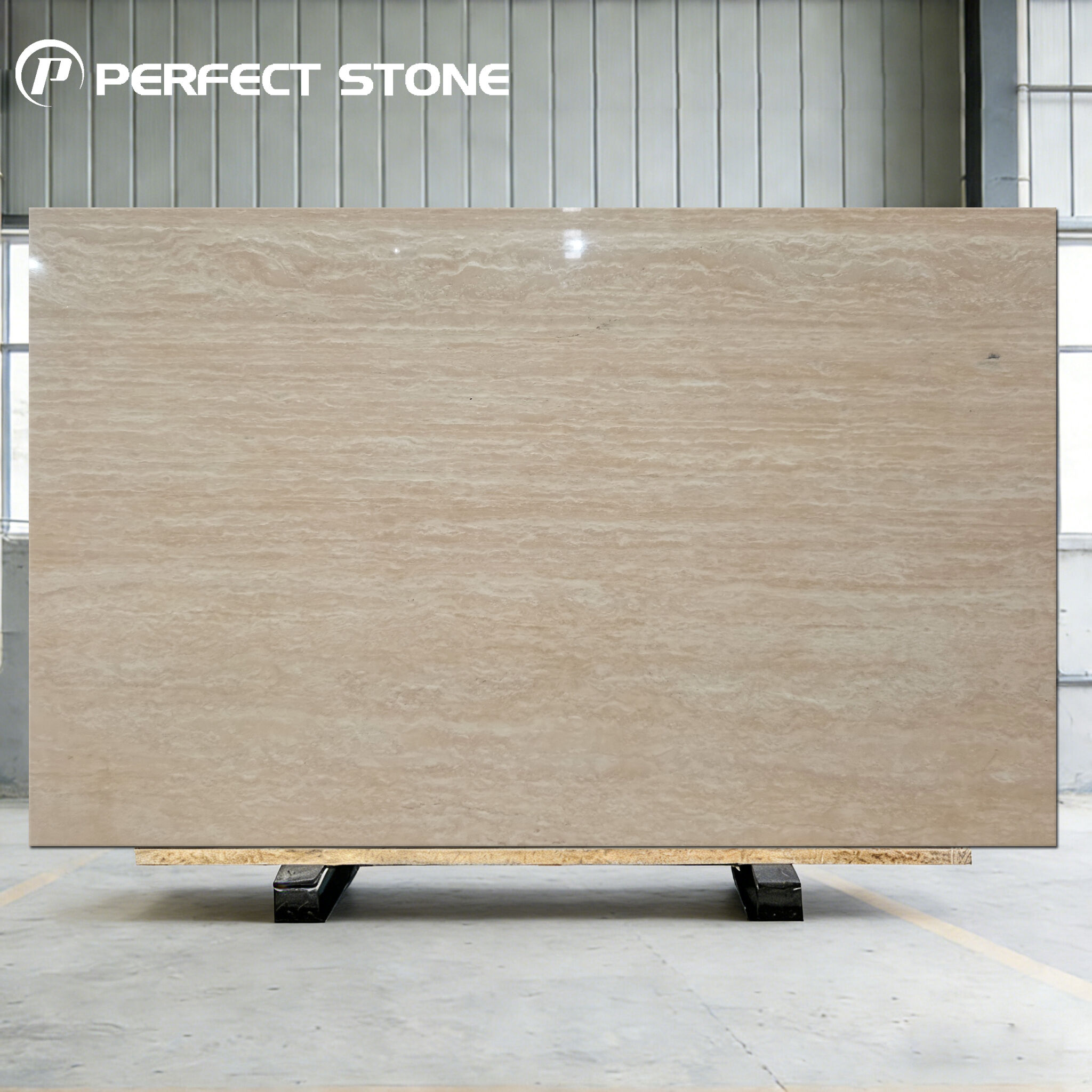
Travertine stands as one of nature's most elegant building materials, offering a unique combination of durability, beauty, and timeless appeal that has captivated architects and designers for millennia. This sedimentary rock, formed through the precipitation of calcium carbonate from hot springs and limestone caves, possesses distinctive characteristics that make it an exceptional choice for various construction applications. The natural variations in color and texture found in travertine create visual interest while maintaining a sophisticated aesthetic that complements both traditional and contemporary design schemes. From ancient Roman structures to modern luxury hotels, travertine has proven its enduring value as a premium building material that enhances any space with its inherent elegance.
Understanding Travertine Formation and Characteristics
Geological Origins and Natural Properties
The formation process of travertine creates its signature porous structure and unique mineral composition that distinguishes it from other natural stones. Unlike granite or marble, which form under intense heat and pressure, travertine develops through chemical precipitation in aquatic environments where calcium-rich water evaporates and leaves behind layers of calcite crystals. This process results in the characteristic holes and cavities that give travertine its distinctive appearance and contribute to its relatively lightweight nature compared to other stone materials. The mineral content varies depending on the source location, creating natural color variations that range from creamy whites and beiges to rich golds and rustic browns.
The porous nature of travertine affects its physical properties, including its absorption rate, thermal conductivity, and acoustic characteristics. These natural voids can be filled during processing to create a smoother surface, or left unfilled to maintain the authentic texture that many designers prefer. The calcium carbonate composition makes travertine somewhat softer than granite but harder than limestone, positioning it in an ideal range for architectural applications where workability and durability must coexist. Understanding these fundamental properties helps explain why travertine has remained a preferred material for both structural and decorative applications throughout history.
Color Variations and Surface Finishes
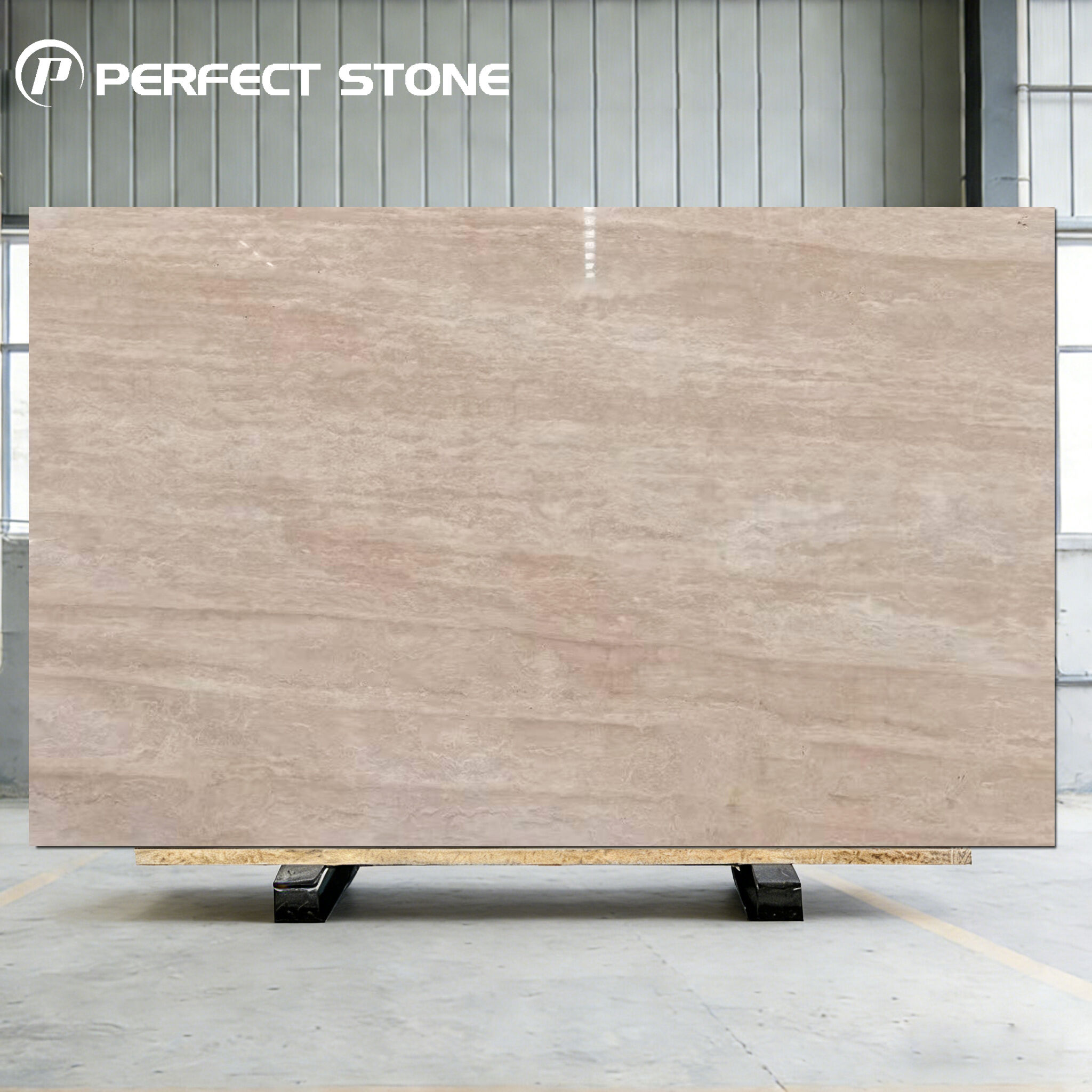
Natural travertine exhibits an impressive spectrum of colors that reflect the specific mineral content and environmental conditions present during its formation. The most common varieties include Classic Travertine with its warm beige tones, Silver Travertine featuring cool gray undertones, and Noce Travertine displaying rich walnut-brown coloration. Each variety offers unique aesthetic possibilities that can complement different design schemes and architectural styles. The natural veining patterns found in travertine create visual movement and depth that cannot be replicated in manufactured materials, making each installation truly one-of-a-kind.
Surface finishing techniques dramatically impact the final appearance and performance characteristics of travertine installations. Honed finishes provide a smooth, matte surface that emphasizes the stone's natural colors while offering excellent slip resistance for floor applications. Polished finishes create a glossy surface that enhances color depth and creates dramatic light reflection, though this finish is typically reserved for wall applications due to reduced traction. Tumbled finishes produce an aged, weathered appearance that suits rustic or Mediterranean design themes, while brushed finishes offer a subtle texture that balances visual interest with practical functionality.
Architectural Applications and Design Versatility
Interior Wall Cladding Solutions
Wall cladding represents one of the most popular applications for travertine in contemporary architecture, offering designers a way to introduce natural elegance into interior spaces while maintaining practical functionality. The thermal mass properties of travertine help regulate interior temperatures by absorbing and releasing heat slowly, contributing to energy efficiency in both residential and commercial buildings. Installation techniques for wall cladding vary depending on the specific application, with options including mechanical anchoring systems, adhesive mounting, and traditional mortar bed installation methods that accommodate different structural requirements and aesthetic preferences.
The versatility of travertine wall cladding extends beyond simple flat installations to include dimensional applications such as stacked stone patterns, geometric arrangements, and mixed-media designs that incorporate other materials. Modern cutting and fabrication technologies allow for precise customization of travertine panels to create seamless installations that highlight the material's natural beauty while meeting specific design requirements. The neutral color palette of most travertine varieties makes it an excellent backdrop material that complements a wide range of furnishing styles and color schemes without overwhelming other design elements in the space.
Exterior Facade and Landscaping Uses
Exterior applications of travertine demonstrate the material's exceptional weather resistance and ability to develop an attractive patina over time that enhances rather than detracts from its appearance. The natural porosity of travertine allows it to breathe with temperature changes, reducing the risk of freeze-thaw damage that can affect denser stone materials in harsh climates. Proper sealing and maintenance protocols ensure long-term performance while preserving the stone's natural appearance and protective qualities against environmental exposure.
Landscaping applications of travertine include paving, retaining walls, water features, and sculptural elements that integrate seamlessly with natural surroundings. The stone's natural slip resistance makes it suitable for pool decking and outdoor walkways, while its thermal properties help keep surfaces cooler than concrete or darker stone alternatives. Garden walls and planters constructed from travertine create attractive transitions between hardscape and softscape elements while providing excellent drainage characteristics that benefit plant health and structural longevity.
Technical Performance and Durability Factors
Structural Properties and Load-Bearing Capacity
The compressive strength of travertine varies depending on its density and mineral composition, typically ranging from 1000 to 4000 pounds per square inch, which makes it suitable for most architectural applications including load-bearing walls and structural elements. The modulus of elasticity for travertine falls within acceptable ranges for building materials, allowing it to flex slightly under load without cracking or failing catastrophically. These mechanical properties, combined with the stone's relatively low weight compared to other natural stones, make travertine an efficient choice for both new construction and renovation projects where weight considerations are important.
Thermal expansion coefficients for travertine are moderate compared to other building materials, requiring proper accommodation in joint design and installation details to prevent stress-related failures. The stone's thermal conductivity properties contribute to passive heating and cooling benefits in buildings, while its fire resistance characteristics meet or exceed building code requirements for most applications. Understanding these technical specifications enables architects and engineers to specify travertine with confidence in demanding applications where performance and aesthetics must coexist successfully.
Maintenance Requirements and Longevity
Proper maintenance of travertine installations ensures decades of beautiful performance while protecting the investment in this premium natural material. Regular cleaning with pH-neutral cleaners prevents the buildup of harmful residues that can etch the calcium carbonate surface, while periodic sealing applications maintain stain resistance and enhance the stone's natural colors. The frequency of maintenance activities depends on environmental exposure, traffic levels, and the specific surface finish applied during installation, with polished surfaces generally requiring more frequent attention than honed or natural finishes.
Long-term durability studies of travertine installations demonstrate the material's ability to maintain structural integrity and aesthetic appeal for generations when properly maintained. Historical examples of travertine construction, including ancient Roman structures that remain functional today, provide compelling evidence of the stone's longevity potential under appropriate conditions. Modern protective treatments and installation techniques further enhance the durability characteristics of travertine, making it a sound investment for projects where lifecycle costs and long-term performance are important considerations.
Installation Considerations and Best Practices
Site Preparation and Foundation Requirements
Successful travertine installation begins with proper site preparation that accounts for the material's specific requirements and characteristics. Substrate preparation must ensure adequate structural support while providing appropriate drainage and moisture management to prevent long-term issues that could compromise the installation's integrity. The natural porosity of travertine makes it sensitive to moisture migration from underlying substrates, requiring careful attention to vapor barrier installation and drainage details that protect the stone from damage caused by freeze-thaw cycles or efflorescence.
Foundation design considerations for travertine installations include accommodation for thermal movement, seismic activity where applicable, and the specific load distribution characteristics of the stone material. Proper joint spacing and sealant selection help manage movement while maintaining weather-tight seals that protect the building envelope. Understanding local climate conditions and their impact on travertine performance enables installers to modify standard techniques as needed to ensure optimal long-term results that meet both aesthetic and functional requirements.
Cutting, Fabrication, and Installation Techniques
Modern fabrication techniques for travertine utilize computer-controlled cutting equipment that ensures precise dimensions while minimizing waste and maximizing the utilization of each stone block. Diamond wire saws and water jet cutting systems can create intricate shapes and detailed profiles that would be difficult or impossible to achieve with traditional stone-working methods. The relatively soft nature of travertine compared to harder stones like granite makes it more forgiving to work with while still providing excellent results when proper techniques and sharp tools are employed throughout the fabrication process.
Installation methods vary depending on the specific application, with mechanical anchoring systems preferred for large format panels and adhesive installation suitable for smaller tiles and decorative applications. Proper handling techniques prevent damage during installation, while appropriate curing times for mortars and adhesives ensure strong, durable bonds that will support the travertine throughout its service life. Quality control measures during installation include checking for proper alignment, consistent joint widths, and adequate support at all connection points to prevent stress concentrations that could lead to premature failure or aesthetic issues.
Design Integration and Aesthetic Considerations
Color Coordination and Material Combinations
The neutral color palette of travertine makes it an excellent foundation material that coordinates well with a wide range of complementary materials and finishes. Successful design integration requires understanding how the stone's natural variations interact with artificial lighting, adjacent materials, and the overall design concept to create cohesive and visually appealing installations. Warm-toned travertine varieties pair beautifully with rich woods, wrought iron, and earth-tone ceramics, while cooler gray travertines complement contemporary materials like stainless steel, glass, and concrete in modern architectural applications.
Mixed-material designs that incorporate travertine alongside other natural stones, manufactured materials, or architectural metals require careful planning to ensure compatibility in terms of both aesthetics and technical performance. Expansion rates, chemical compatibility, and maintenance requirements must align across all materials in the installation to prevent long-term issues that could compromise the overall design integrity. Professional design guidance helps ensure that travertine installations achieve their full aesthetic potential while maintaining practical functionality throughout their intended service life.
Lighting Design and Visual Enhancement
Proper lighting design significantly enhances the natural beauty of travertine installations by emphasizing texture, color variations, and the stone's inherent depth and character. The reflective properties of different travertine finishes respond differently to various lighting approaches, with polished surfaces creating dramatic highlights and shadows while honed finishes provide more uniform light distribution that emphasizes the stone's natural patterns. Strategic placement of both natural and artificial light sources can create dynamic visual effects that change throughout the day and highlight different aspects of the travertine's appearance.
Accent lighting techniques for travertine installations include grazing light that emphasizes surface texture, backlighting for translucent varieties, and focused spotlighting that creates dramatic focal points within larger installations. The warm color temperature of most artificial lighting systems complements the natural tones found in travertine, while color-changing LED systems offer creative possibilities for special applications and architectural features. Understanding the interaction between light and stone enables designers to create installations that showcase travertine's natural beauty while achieving specific aesthetic and functional objectives.
FAQ
What makes travertine different from other natural stones
Travertine differs from other natural stones primarily in its formation process and resulting characteristics. While granite forms from cooled magma and marble results from metamorphosed limestone, travertine develops through mineral precipitation in aquatic environments, creating its signature porous structure and unique texture. This formation process results in natural holes and cavities that give travertine its distinctive appearance and make it lighter than most other natural stones. The calcium carbonate composition provides moderate hardness that balances durability with workability, making it easier to cut and install than harder stones like granite while still providing excellent longevity and weather resistance for architectural applications.
How does travertine perform in different climate conditions
Travertine demonstrates excellent performance across various climate conditions due to its natural porosity and thermal properties. In hot climates, the stone's thermal mass helps regulate temperatures while its light colors reflect heat rather than absorbing it, keeping surfaces cooler than darker alternatives. In cold climates, proper sealing and installation techniques prevent moisture infiltration that could cause freeze-thaw damage, while the stone's natural flexibility accommodates temperature-related expansion and contraction. Humid environments benefit from travertine's breathable characteristics that prevent moisture buildup, though appropriate sealing remains important to maintain stain resistance and preserve the stone's natural appearance over time.
What maintenance is required for travertine installations
Travertine maintenance requirements are relatively straightforward and focus on preserving the stone's natural properties while protecting against staining and etching. Regular cleaning with pH-neutral cleaners prevents acidic buildup that can damage the calcium carbonate surface, while periodic sealing applications maintain water and stain resistance. The frequency of sealing depends on the specific application and environmental exposure, typically ranging from annually for high-traffic areas to every few years for protected interior installations. Prompt cleanup of spills, especially acidic substances like citrus juices or wine, prevents permanent staining, while avoiding harsh chemicals and abrasive cleaning methods preserves the stone's surface finish and natural beauty.
Can travertine be used in wet areas like bathrooms and kitchens
Travertine can be successfully used in wet areas like bathrooms and kitchens with proper selection, installation, and maintenance protocols. The key considerations include choosing appropriate surface finishes that provide adequate slip resistance, implementing proper sealing to prevent water absorption and staining, and ensuring adequate drainage to prevent standing water that could cause long-term damage. Honed or brushed finishes are typically preferred over polished surfaces in wet areas for safety reasons, while filled travertine varieties may perform better than unfilled options in applications with frequent water exposure. Professional installation with appropriate waterproofing membranes and proper slope design ensures successful long-term performance in demanding wet area applications.