 EN
EN


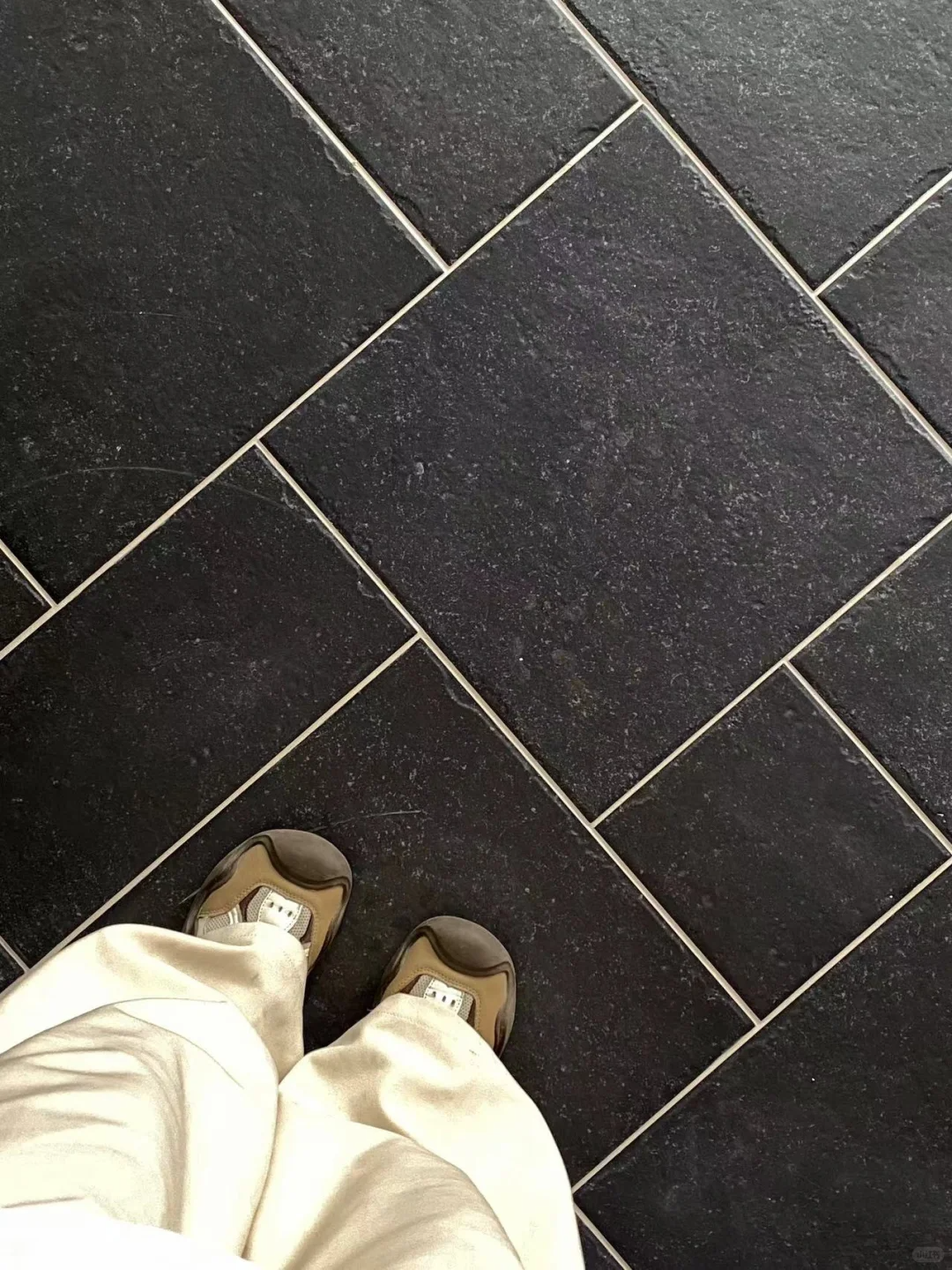
Limestone paving represents one of the most versatile and enduring natural stone solutions for residential and commercial hardscaping projects. This sedimentary rock formation offers exceptional durability, aesthetic appeal, and practical functionality that makes it an ideal choice for creating stunning outdoor living spaces. The inherent properties of limestone, combined with its natural beauty and architectural compatibility, have made limestone paving a preferred material among landscape architects, contractors, and homeowners seeking premium outdoor surfaces.
Understanding Limestone Paving Materials and Characteristics
Formation and Composition of Limestone
Limestone forms through geological processes spanning millions of years, primarily from compressed marine organisms and sedimentary deposits. This natural formation process creates a material with unique structural properties that make limestone paving exceptionally suitable for outdoor applications. The calcium carbonate composition provides inherent strength while maintaining workability during installation and shaping processes.
The density and porosity of limestone vary depending on the specific quarry location and geological conditions during formation. These variations create distinct characteristics in color, texture, and performance that allow designers to select limestone paving options that perfectly match their project requirements. The natural variation ensures that each installation maintains unique visual appeal while delivering consistent performance standards.
Physical Properties and Performance Standards
Modern limestone paving exhibits impressive compressive strength ratings, typically ranging from 1,500 to 12,000 pounds per square inch depending on the specific variety and processing methods. This strength allows limestone paving to withstand heavy foot traffic, vehicle loads, and environmental stresses without compromising structural integrity or surface appearance over extended periods.
The freeze-thaw resistance of properly selected limestone paving makes it suitable for installations in various climate zones. Quality limestone specimens demonstrate minimal expansion and contraction during temperature cycling, reducing the risk of cracking or surface degradation that can affect other paving materials under similar conditions.
Advantages of Limestone Paving for Outdoor Applications
Aesthetic Versatility and Design Flexibility
The natural color palette of limestone paving encompasses warm earth tones ranging from creamy whites and soft beiges to rich grays and subtle blues. This extensive color range allows designers to create cohesive outdoor environments that complement existing architectural elements while establishing focal points that enhance overall landscape appeal. The subtle variation within individual pieces adds visual depth and interest that synthetic alternatives cannot replicate.
Surface finishing options for limestone paving include honed, tumbled, brushed, and natural cleft textures that provide different aesthetic and functional characteristics. These finishing techniques allow customization of slip resistance, visual appearance, and tactile experience to match specific project requirements and user preferences while maintaining the natural beauty inherent in limestone materials.
Durability and Longevity Benefits
Properly installed limestone paving can provide decades of reliable performance with minimal maintenance requirements. The natural aging process of limestone actually enhances its appearance over time, developing a attractive patina that adds character and sophistication to outdoor spaces. This aging characteristic distinguishes limestone paving from manufactured alternatives that may show wear patterns or color fading under similar exposure conditions.
The chemical stability of limestone provides excellent resistance to environmental factors including UV exposure, moisture penetration, and temperature fluctuations. This stability ensures that limestone paving maintains its structural integrity and appearance standards even under challenging outdoor conditions, making it a cost-effective long-term investment for property owners.
Installation Considerations for Limestone Paving Projects
Site Preparation and Foundation Requirements
Successful limestone paving installations require careful attention to site preparation and foundation design. The substrate must provide adequate drainage, structural support, and dimensional stability to prevent settling or movement that could compromise the integrity of the limestone paving surface. Proper grading ensures water management while preventing erosion or pooling that might affect long-term performance.
Base preparation typically involves excavation to appropriate depths, followed by installation of graded aggregate materials that provide both drainage and load distribution. The specific requirements for limestone paving foundations depend on intended use, soil conditions, and local climate factors that influence freeze-thaw cycling and moisture management needs.
Installation Techniques and Best Practices
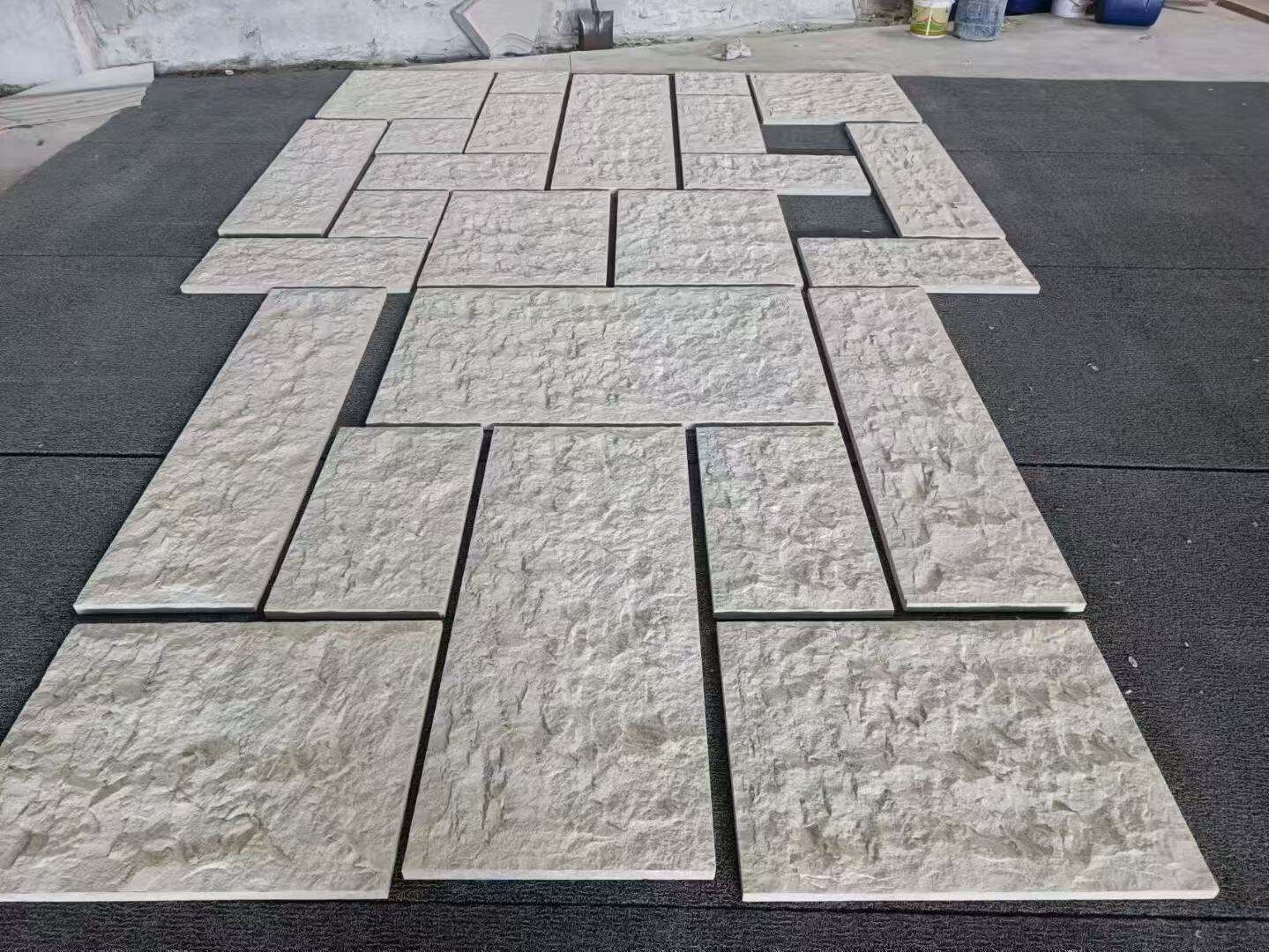
Professional installation of limestone paving requires specialized knowledge of stone handling, cutting, and placement techniques. The natural variation in limestone thickness and dimensions necessitates careful selection and fitting to achieve uniform surface levels and consistent joint spacing. Experienced installers understand how to work with the natural characteristics of limestone while achieving precise installation standards.
Joint materials and sealants play crucial roles in limestone paving performance, providing weather protection while allowing for thermal movement. The selection of appropriate joint compounds depends on the specific limestone variety, installation method, and environmental exposure conditions. Proper joint installation prevents water penetration while maintaining the flexibility needed to accommodate natural stone movement.
Maintenance and Care of Limestone Paving Surfaces
Routine Cleaning and Preventive Care
Regular maintenance of limestone paving involves simple cleaning procedures that preserve appearance while preventing damage from accumulated debris or environmental contaminants. Gentle washing with appropriate cleaning solutions removes surface dirt and organic matter without affecting the natural limestone surface or causing etching damage that might compromise appearance or performance.
Preventive maintenance includes periodic inspection for joint deterioration, surface staining, or structural issues that might require professional attention. Early identification and correction of potential problems extends the service life of limestone paving while minimizing repair costs and maintaining optimal appearance standards throughout the installation lifecycle.
Protection and Restoration Methods
Sealing treatments can enhance the performance of limestone paving in applications where stain resistance or water protection provides significant benefits. However, the natural breathability of limestone should be preserved through selection of appropriate sealing products that provide protection without creating moisture entrapment or surface buildup that might affect appearance or performance.
Professional restoration services can address surface damage, staining, or wear patterns that may develop over time in high-traffic limestone paving installations. These services often involve surface refinishing, re-jointing, or selective replacement that restores original appearance standards while preserving the investment value of the limestone paving installation.
Cost Considerations and Value Analysis
Initial Investment and Project Budgeting
The initial cost of limestone paving projects reflects several factors including material selection, site conditions, design complexity, and installation requirements. While limestone paving may require higher upfront investment compared to some alternatives, the long-term value proposition often justifies the initial expense through reduced maintenance costs and extended service life.
Project budgeting for limestone paving should account for site preparation, material costs, installation labor, and any additional features such as drainage systems or decorative elements. Comprehensive planning ensures that limestone paving projects deliver expected results within established budget parameters while avoiding cost overruns that might affect project viability.
Long-term Value and Return on Investment
Limestone paving installations typically provide excellent return on investment through enhanced property values, reduced replacement costs, and minimal maintenance requirements over extended service periods. The durability and timeless appeal of limestone paving contribute to property appreciation while providing functional benefits that improve outdoor living experiences.
Life-cycle cost analysis often demonstrates that limestone paving represents superior value compared to alternatives when evaluated over typical ownership periods. The combination of durability, low maintenance requirements, and aesthetic permanence creates favorable economic outcomes that support the decision to invest in quality limestone paving materials and professional installation services.
Environmental Impact and Sustainability Factors
Natural Resource Utilization
Limestone paving utilizes naturally occurring materials that require minimal processing compared to manufactured alternatives. The extraction and processing of limestone involves established quarrying practices that can be managed sustainably while providing economic benefits to local communities. Modern quarrying operations implement environmental protection measures that minimize ecological impact while ensuring responsible resource utilization.
The longevity of limestone paving reduces the frequency of replacement cycles, thereby minimizing the cumulative environmental impact associated with material production, transportation, and installation activities. This durability advantage supports sustainable building practices while reducing waste generation over the functional lifespan of outdoor hardscaping installations.
Climate Adaptation and Performance
The thermal properties of limestone paving contribute to comfortable outdoor environments by moderating surface temperatures and reducing heat island effects commonly associated with darker or synthetic paving materials. This thermal performance enhances user comfort while potentially reducing cooling costs for adjacent structures during warm weather periods.
Limestone paving demonstrates excellent adaptation to various climate conditions, maintaining performance standards across diverse geographic regions and seasonal variations. This climate resilience ensures consistent functionality while reducing the need for climate-specific adaptations or protective measures that might be required with less versatile paving materials.
FAQ
How does limestone paving perform in freeze-thaw conditions
Quality limestone paving exhibits excellent freeze-thaw resistance due to its natural porosity and structural characteristics. Properly selected limestone varieties can withstand multiple freeze-thaw cycles without developing surface damage or structural deterioration. However, proper drainage and installation techniques are essential to prevent water accumulation that might contribute to frost damage over time.
What maintenance is required for limestone paving installations
Limestone paving requires minimal routine maintenance, primarily consisting of regular cleaning with mild detergents and periodic joint inspection. Occasional resealing may benefit high-traffic areas, while annual inspection helps identify any issues requiring professional attention. The low maintenance requirements make limestone paving an attractive option for both residential and commercial applications.
Can limestone paving be repaired if damage occurs
Most limestone paving damage can be successfully repaired through professional restoration techniques including surface refinishing, crack repair, or selective piece replacement. The natural characteristics of limestone allow for effective repair methods that restore original appearance and functionality. Professional assessment determines the most appropriate repair approach based on the specific type and extent of damage.
Is limestone paving suitable for pool deck applications
Limestone paving works exceptionally well for pool deck installations when properly selected and installed. The natural slip resistance and thermal properties of limestone provide safe, comfortable surfaces around water features. Proper sealing and drainage design ensure long-term performance in wet environments while maintaining the aesthetic appeal that makes limestone paving popular for luxury pool installations.
Table of Contents
- Understanding Limestone Paving Materials and Characteristics
- Advantages of Limestone Paving for Outdoor Applications
- Installation Considerations for Limestone Paving Projects
- Maintenance and Care of Limestone Paving Surfaces
- Cost Considerations and Value Analysis
- Environmental Impact and Sustainability Factors
- FAQ