 EN
EN


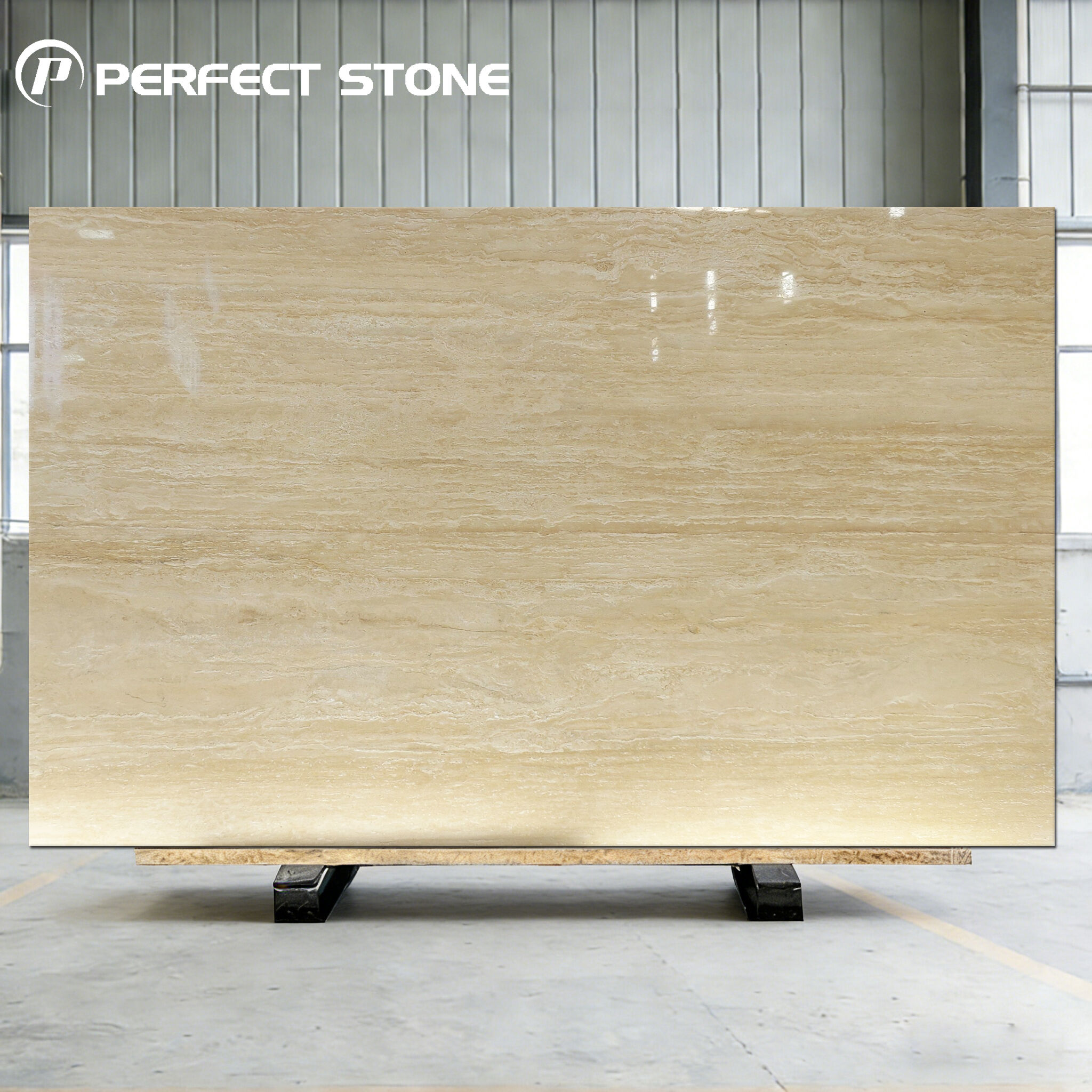
Australia's harsh outdoor conditions present unique challenges for construction materials, particularly in coastal regions where intense UV radiation combines with salt-laden sea breezes. When selecting materials for outdoor projects, durability becomes paramount, making travertine paving an increasingly popular choice among architects and builders. This natural stone offers exceptional resistance to weathering while maintaining its aesthetic appeal across diverse climate zones. Understanding how travertine paving performs under Australian conditions requires examining its geological composition, installation requirements, and long-term maintenance considerations.
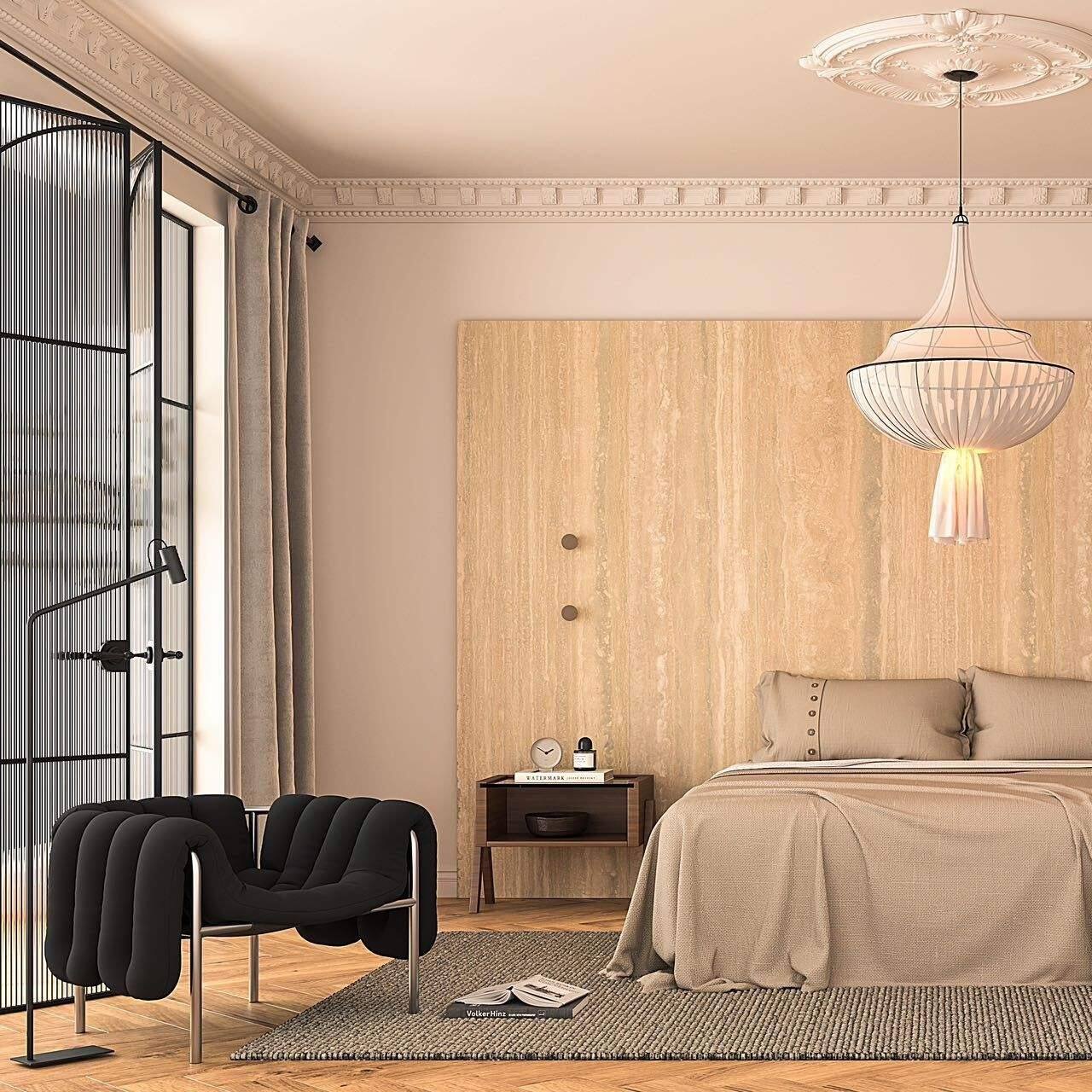
Understanding Travertine's Natural Properties
Geological Formation and Composition
Travertine forms through the precipitation of calcium carbonate from mineral-rich hot springs and limestone caves, creating a naturally porous structure that contributes to its unique characteristics. This sedimentary rock contains approximately 95% calcium carbonate, with trace minerals that influence its color variations and structural integrity. The natural formation process results in a stone that exhibits excellent thermal properties, making travertine paving particularly suitable for outdoor applications where temperature fluctuations occur regularly. The microscopic pore structure allows for natural expansion and contraction without compromising structural stability.
The density of travertine typically ranges between 2.3 to 2.7 grams per cubic centimeter, providing substantial durability while remaining lighter than many alternative stone materials. This characteristic makes installation more manageable and reduces structural load requirements on substrates. The natural texture created during formation provides inherent slip resistance, an essential safety feature for outdoor applications in wet conditions common along Australia's coastline.
Thermal Performance in Australian Climates
Australian summers can produce surface temperatures exceeding 60 degrees Celsius on conventional paving materials, but travertine paving demonstrates superior thermal management properties. The light color palette naturally reflects solar radiation, reducing heat absorption and maintaining comfortable surface temperatures for pedestrian traffic. Field studies conducted in Perth and Sydney have shown that travertine surfaces remain 15-20 degrees cooler than dark concrete or asphalt alternatives during peak summer conditions.
The thermal conductivity of travertine allows heat to dissipate efficiently through its crystalline structure, preventing the thermal shock that can damage other materials. This property becomes particularly valuable in regions experiencing rapid temperature changes between day and night conditions. The natural expansion coefficient of travertine paving ensures dimensional stability across temperature ranges typically encountered in Australian outdoor environments.
Coastal Environment Performance
Salt Spray Resistance
Coastal environments present unique challenges through constant exposure to salt spray, which can accelerate deterioration in many building materials. Travertine paving exhibits exceptional resistance to salt corrosion due to its calcium carbonate composition, which remains chemically stable when exposed to marine environments. Unlike ferrous metals or certain concrete formulations, travertine does not experience accelerated degradation from chloride exposure common in seaside locations.
Independent testing has demonstrated that properly sealed travertine paving maintains its structural integrity after prolonged exposure to salt spray conditions equivalent to decades of coastal weathering. The natural porosity allows salt deposits to be easily removed through regular cleaning, preventing accumulation that could compromise the stone's appearance or performance. This characteristic makes travertine an ideal choice for waterfront developments, pool areas, and beachside commercial projects throughout Australia's extensive coastline.
UV Radiation Stability
Australia's intense ultraviolet radiation poses significant challenges for outdoor materials, causing fading, brittleness, and structural degradation in many synthetic alternatives. Travertine paving demonstrates remarkable UV stability due to its mineral composition, which does not undergo photochemical degradation common in organic materials. The natural coloration remains consistent even after years of direct sunlight exposure, maintaining the aesthetic value of outdoor installations.
The crystalline structure of travertine actually becomes more durable with UV exposure, as solar radiation helps cure any residual moisture within the stone matrix. This process enhances the material's compressive strength over time, contrary to synthetic materials that typically weaken under prolonged UV exposure. Professional installations in Darwin, Cairns, and Brisbane have documented minimal color variation after five years of continuous outdoor exposure.
Installation Considerations for Australian Conditions
Substrate Preparation Requirements
Proper installation of travertine paving begins with comprehensive substrate preparation designed to accommodate Australia's diverse soil conditions and drainage requirements. Clay-rich soils common in many regions require specific attention to prevent differential settlement that could compromise the paving system. A well-engineered base typically consists of compacted crushed rock, geotextile separation layers, and appropriate drainage provisions to manage seasonal moisture variations.
The expansive nature of many Australian soils necessitates deeper excavation and more robust base construction compared to installations in more stable geological conditions. Professional specifications typically require minimum 150mm depth of properly graded and compacted aggregate base, with additional depth in areas subject to heavy vehicle loading or where expansive clays are present. Proper edge restraint systems become critical to prevent lateral movement during seasonal soil expansion and contraction cycles.
Drainage and Water Management
Effective drainage design is crucial for travertine paving installations, particularly in regions subject to intense rainfall events characteristic of Australian weather patterns. The natural porosity of travertine allows for some water infiltration, but proper surface grading and subsurface drainage remain essential for long-term performance. Installation specifications must account for regional rainfall intensities and soil infiltration rates to prevent water-related damage.
Integrated drainage systems should include adequate fall gradients, typically 1:100 minimum for pedestrian areas and 1:80 for vehicular applications. French drains or alternative subsurface collection systems may be necessary in areas with poor natural drainage or where travertine paving adjoins buildings requiring positive water management. The joint spacing and filling material selection significantly influence overall drainage performance and should be specified based on local environmental conditions.
Maintenance Requirements and Longevity
Routine Maintenance Protocols
Maintaining travertine paving in Australian conditions requires understanding the specific challenges posed by intense sunlight, occasional severe weather events, and organic growth common in subtropical and tropical regions. Regular cleaning schedules should incorporate gentle washing techniques that remove accumulated debris and prevent biological growth without damaging the stone surface. High-pressure cleaning should be avoided as it can erode the natural texture and compromise the stone's slip resistance properties.
Seasonal maintenance typically involves inspection for joint material degradation, surface staining, and any signs of movement or settlement. The porous nature of travertine paving makes it susceptible to organic staining from leaves, fruit, or bird droppings, requiring prompt attention to prevent permanent discoloration. Professional cleaning products specifically formulated for natural stone should be used to maintain both appearance and structural integrity over time.
Sealing and Protection Strategies
Protective sealing represents a critical aspect of travertine paving maintenance in Australian conditions, providing enhanced stain resistance and reducing water absorption while maintaining the stone's natural appearance. Modern penetrating sealers offer long-term protection without creating surface films that can trap moisture or become slippery when wet. Application timing should consider local weather patterns to ensure optimal curing conditions.
The frequency of resealing depends on traffic levels, exposure conditions, and the specific sealer product used, but typically ranges from three to five years for outdoor installations. Professional assessment can determine when resealing becomes necessary based on water absorption testing and visual inspection. Quality sealers enhance the natural color of travertine paving while providing protection against oil stains, organic growth, and accelerated weathering common in harsh Australian environments.
Economic Considerations and Project Planning
Initial Investment Analysis
The initial cost of travertine paving projects in Australia reflects several factors including material sourcing, transportation, and specialized installation requirements. While the upfront investment may exceed basic concrete alternatives, the long-term value proposition becomes apparent when considering durability, maintenance costs, and aesthetic longevity. Quality travertine sourced from established quarries provides consistent performance characteristics essential for commercial and high-end residential projects.
Project budgeting should encompass comprehensive site preparation, proper drainage infrastructure, and professional installation to ensure optimal performance. The specialized knowledge required for travertine paving installation justifies engaging experienced contractors familiar with natural stone systems. This investment in proper installation significantly reduces long-term maintenance costs and extends the effective service life of the paving system.
Lifecycle Cost Benefits
Long-term economic analysis reveals significant advantages of travertine paving over alternative materials when considering maintenance requirements, replacement cycles, and property value enhancement. The exceptional durability of properly installed travertine systems can provide service lives exceeding 50 years with appropriate maintenance, far surpassing many synthetic alternatives that require replacement within 15-20 years under Australian conditions.
Property value appreciation associated with natural stone installations provides additional economic justification for travertine paving selection. Market research indicates that high-quality natural stone outdoor surfaces contribute significantly to property valuations, often recovering the initial investment premium through enhanced resale values. The timeless aesthetic appeal of travertine ensures continued market acceptance across changing design trends.
FAQ
How does travertine paving perform in extreme Australian heat
Travertine paving performs exceptionally well in extreme Australian heat due to its light color and natural thermal properties. The stone typically remains 15-20 degrees cooler than dark alternatives like asphalt or concrete, making it comfortable for pedestrian use even during peak summer temperatures. Its natural porosity and crystalline structure allow efficient heat dissipation, preventing the thermal stress that damages other materials.
Is travertine paving suitable for pool areas in coastal environments
Yes, travertine paving is particularly well-suited for pool areas in coastal environments. Its natural slip resistance provides safety around wet areas, while its salt spray resistance prevents the corrosion issues common with other materials. The calcium carbonate composition remains chemically stable when exposed to pool chemicals and salt air, making it an ideal choice for waterfront properties throughout Australia's coastline.
What maintenance is required for travertine paving in Australian conditions
Maintenance requirements for travertine paving in Australian conditions are relatively minimal but should include regular cleaning with appropriate stone cleaners, prompt removal of organic stains, and periodic resealing every 3-5 years. Avoid high-pressure cleaning that can damage the surface texture, and inspect joints annually for degradation. Professional maintenance ensures optimal performance and appearance retention over the stone's extensive service life.
How long does travertine paving last in harsh outdoor conditions
Properly installed and maintained travertine paving can last over 50 years in harsh Australian outdoor conditions. The natural stone actually becomes more durable with age as UV exposure helps cure the material and enhance its compressive strength. Unlike synthetic materials that degrade under intense sunlight and temperature extremes, travertine maintains its structural integrity and aesthetic appeal throughout its extended service life, making it an excellent long-term investment for outdoor projects.