 EN
EN


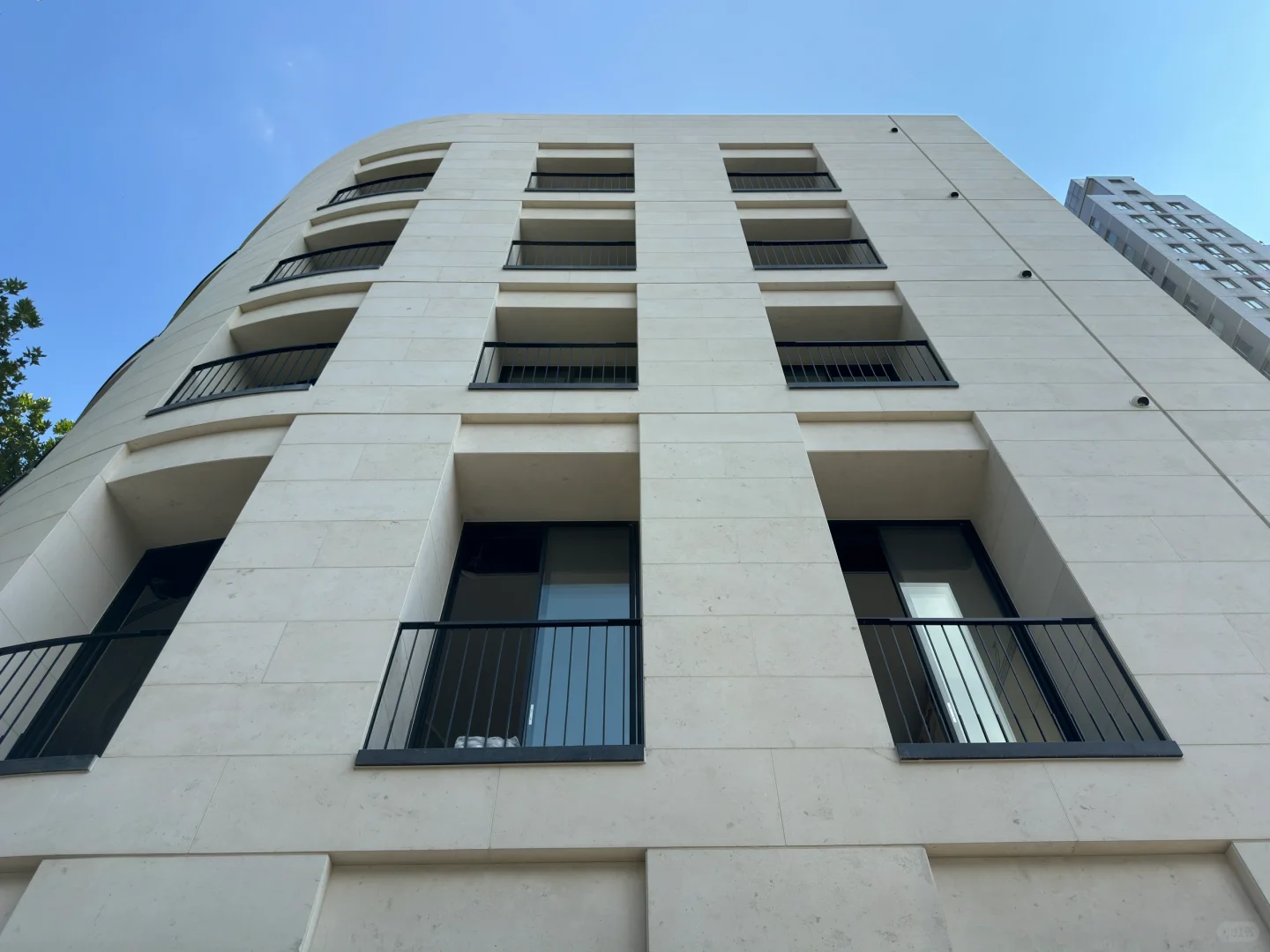
Natural stone wall cladding transforms architectural facades with timeless elegance and exceptional durability. Among the most sought-after materials, limestone and sandstone offer distinct characteristics that influence both aesthetic appeal and long-term performance. Understanding the fundamental differences between these sedimentary stones helps architects, designers, and property owners make informed decisions for their cladding projects. The choice between limestone and sandstone significantly impacts construction costs, maintenance requirements, and visual outcomes. Professional evaluation of material properties ensures optimal selection for specific environmental conditions and design objectives.
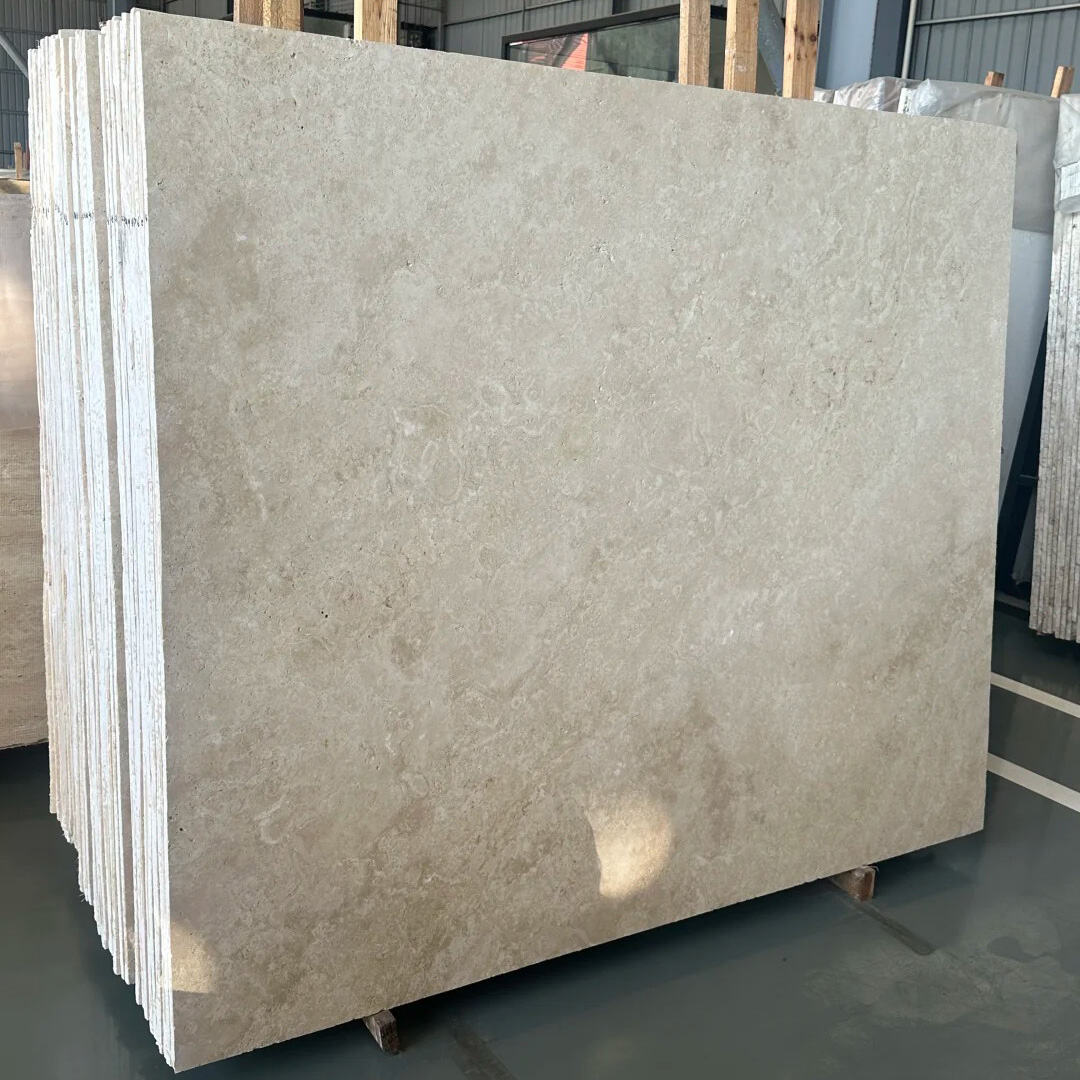
Composition and Formation Differences
Limestone Geological Origins
Limestone forms through marine sedimentary processes over millions of years, primarily composed of calcium carbonate deposits from ancient sea creatures and coral reefs. This organic origin creates a relatively uniform mineral composition with excellent binding characteristics. The formation process results in dense, compact stone with minimal porosity compared to other sedimentary materials. Limestone varieties range from fine-grained to crystalline structures, each offering unique textural qualities for architectural applications. The calcium carbonate content typically exceeds ninety percent, providing consistent chemical stability under normal environmental conditions.
Marine limestone exhibits superior compression strength due to its consolidated formation under oceanic pressure. The uniform mineral distribution creates predictable performance characteristics across different quarry sources. Geological surveys reveal that high-quality limestone deposits maintain consistent density measurements between 2.3 and 2.7 grams per cubic centimeter. These formation characteristics directly influence the stone's suitability for exterior wall cladding applications. Understanding limestone's geological background helps predict long-term durability and maintenance requirements.
Sandstone Mineral Structure
Sandstone develops through the accumulation and cementation of sand particles, primarily composed of quartz, feldspar, and various mineral fragments. The binding agents include silica, calcium carbonate, or iron oxide, which determine the stone's color variations and structural integrity. Desert and riverine sandstone formations create different textural characteristics based on particle size and cementing processes. The diverse mineral composition produces natural color variations ranging from cream and beige to deep red and brown tones. Quarry selection significantly affects the final appearance and performance of beige sandstone for wall cladding applications.
Particle size distribution in sandstone ranges from fine to coarse grains, creating distinct surface textures that influence visual appeal and weather resistance. Well-cemented sandstone demonstrates excellent durability while maintaining natural permeability for moisture regulation. The silica content in high-quality sandstone exceeds seventy percent, ensuring long-term stability against chemical weathering. Geological formation conditions determine the stone's hardness rating, typically ranging between six and seven on the Mohs scale. These structural characteristics make sandstone particularly suitable for decorative and functional wall cladding installations.
Physical Properties and Performance
Density and Porosity Comparison
Limestone typically exhibits lower porosity rates between one and fifteen percent, depending on the specific variety and formation conditions. Dense limestone varieties demonstrate superior water resistance and freeze-thaw durability in harsh climatic conditions. The compact structure reduces moisture absorption, preventing internal damage from thermal expansion cycles. Laboratory testing reveals that high-quality limestone maintains structural integrity under extreme temperature variations. These density characteristics contribute to limestone's reputation for exceptional longevity in architectural applications.
Sandstone porosity varies significantly based on cementing agents and particle size distribution, typically ranging from five to twenty-five percent. Controlled porosity in beige sandstone for wall cladding provides beneficial moisture regulation while maintaining structural stability. The natural permeability allows trapped moisture to evaporate, reducing the risk of internal pressure buildup during freeze-thaw cycles. Well-selected sandstone demonstrates excellent dimensional stability under varying environmental conditions. Understanding porosity characteristics helps determine appropriate installation methods and protective treatments for optimal performance.
Compressive Strength Analysis
Limestone compressive strength ranges from 20 to 180 megapascals, with dense varieties achieving higher performance ratings suitable for load-bearing applications. The uniform mineral composition provides consistent strength characteristics across different quarry sources and geological formations. High-strength limestone exceeds building code requirements for structural wall cladding installations in commercial and residential projects. Laboratory compression testing validates limestone's ability to withstand significant structural loads without deformation or failure. These strength characteristics make limestone an excellent choice for multi-story building facades and heavy-duty architectural applications.
Sandstone compressive strength typically ranges between 20 and 170 megapascals, depending on cementing quality and mineral composition. Well-cemented sandstone varieties approach limestone performance levels while offering superior workability for complex architectural details. The natural flexibility of beige sandstone for wall cladding accommodates minor structural movements without cracking or damage. Quarry certification ensures consistent strength ratings meet engineering specifications for specific project requirements. Professional testing validates sandstone's suitability for various structural and decorative cladding applications in diverse environmental conditions.
Aesthetic Characteristics and Design Flexibility
Color Variations and Natural Beauty
Limestone offers elegant color palettes ranging from pristine white and cream to warm beige and gray tones, with some varieties displaying subtle fossil impressions. The uniform coloration creates sophisticated architectural aesthetics suitable for classical and contemporary design styles. Natural limestone maintains consistent appearance over time, developing an attractive patina that enhances visual appeal. The stone's fine-grained texture provides smooth, refined surfaces ideal for formal architectural applications. Color stability ensures long-term design integrity without significant fading or discoloration from environmental exposure.
Sandstone presents diverse natural color variations including cream, beige, tan, red, brown, and multicolored patterns created by different mineral compositions. The rich earth tones complement various architectural styles from rustic to modern contemporary designs. Natural color banding and mineral streaking create unique visual interest that cannot be replicated in manufactured materials. Beige sandstone for wall cladding particularly appeals to designers seeking warm, inviting facades with natural character. The color variations allow architects to create distinctive visual effects through strategic stone selection and placement patterns.
Surface Texture and Finishing Options
Limestone accepts various finishing techniques including polished, honed, bush-hammered, and natural cleft surfaces that create different visual and tactile experiences. The dense structure allows precise carving and detailed architectural elements such as cornices, columns, and decorative panels. Smooth limestone finishes reflect light beautifully, creating elegant facades with sophisticated visual depth. The stone's workability enables complex architectural details and custom profiles for unique design requirements. Professional finishing techniques enhance limestone's natural beauty while maintaining long-term durability and weather resistance.
Sandstone offers excellent surface finishing versatility including smooth, textured, split-face, and carved treatments that highlight the stone's natural character. The varied grain structure creates interesting textural contrasts when different finishing techniques are applied to the same stone variety. Natural cleft sandstone surfaces provide rustic charm while maintaining weather-resistant properties essential for exterior cladding applications. The stone's workability allows intricate carving and architectural detailing for specialized design requirements. Beige sandstone for wall cladding adapts well to various finishing techniques, creating customized appearances that complement specific architectural styles and design objectives.
Durability and Weather Resistance
Freeze-Thaw Cycle Performance
Limestone's low porosity provides excellent resistance to freeze-thaw damage in climates with significant temperature variations throughout the year. Dense limestone varieties demonstrate minimal water absorption, reducing the internal pressure created when trapped moisture freezes and expands. Laboratory freeze-thaw testing confirms that high-quality limestone maintains structural integrity through hundreds of temperature cycles without significant deterioration. The uniform mineral composition ensures consistent performance across different exposure conditions and geographical locations. Proper installation techniques further enhance limestone's natural resistance to thermal cycling damage.
Sandstone's performance in freeze-thaw conditions depends largely on porosity levels and cementing quality, with well-cemented varieties demonstrating excellent durability. The controlled porosity in quality sandstone allows moisture to escape before freezing, reducing internal pressure that could cause cracking or spalling. Beige sandstone for wall cladding selected from reputable quarries typically exceeds industry standards for freeze-thaw resistance. Professional installation with appropriate drainage systems maximizes sandstone's natural weather resistance capabilities. Regular maintenance inspections ensure long-term performance in challenging environmental conditions.
Chemical Weathering Resistance
Limestone's calcium carbonate composition makes it susceptible to acid rain and atmospheric pollutants, particularly in urban environments with high pollution levels. The stone may experience gradual surface erosion when exposed to acidic conditions over extended periods. However, high-quality limestone demonstrates acceptable performance in most environmental conditions with proper protective treatments and maintenance. Regular cleaning and protective sealers help preserve limestone's appearance and structural integrity in challenging atmospheric conditions. Understanding local environmental factors helps determine appropriate limestone varieties and protective measures for specific project locations.
Sandstone's silica-rich composition provides superior resistance to chemical weathering from acid rain, atmospheric pollutants, and salt exposure. The diverse mineral content creates natural chemical stability that maintains structural integrity under various environmental conditions. Quartz-rich sandstone varieties demonstrate exceptional longevity in coastal and industrial environments where chemical exposure poses significant challenges. Beige sandstone for wall cladding selected for high-silica content offers excellent long-term performance with minimal maintenance requirements. The natural chemical resistance makes sandstone an excellent choice for projects in challenging environmental conditions.
Installation Considerations and Best Practices
Cutting and Fabrication Requirements
Limestone's uniform density allows precise cutting and fabrication using standard stone-working equipment and diamond-blade technology. The consistent hardness enables clean cuts with minimal chipping or edge damage during processing. Professional fabrication shops can achieve tight tolerances and smooth edges essential for high-quality architectural installations. The stone's workability reduces fabrication time and costs compared to harder natural stone materials. Proper dust control and safety measures during cutting operations protect workers and maintain equipment performance.
Sandstone fabrication requires appropriate blade selection and cutting speeds based on the specific variety's hardness and abrasiveness characteristics. The varied grain structure may cause slight edge irregularities that add to the stone's natural character and visual appeal. Experienced fabricators understand how to optimize cutting parameters for different sandstone varieties to achieve desired results. Beige sandstone for wall cladding typically machines well with standard equipment when proper techniques are employed. Quality control during fabrication ensures dimensional accuracy and surface finish consistency across all cladding pieces.
Attachment Systems and Structural Support
Limestone cladding installation requires robust mechanical attachment systems designed to accommodate the stone's weight and thermal expansion characteristics. Stainless steel anchors and brackets provide corrosion-resistant connections that maintain structural integrity over decades of service. The attachment system design must distribute loads evenly to prevent stress concentrations that could cause stone cracking or failure. Professional engineers calculate load requirements and specify appropriate hardware for specific project conditions. Proper installation techniques ensure long-term performance and safety compliance with building codes and standards.
Sandstone attachment systems accommodate the stone's natural flexibility and thermal movement characteristics through appropriate hardware selection and installation methods. The mechanical anchoring system must provide secure connections while allowing minor movement to prevent stress-related damage. Corrosion-resistant hardware ensures long-term reliability in various environmental conditions and exposure scenarios. Beige sandstone for wall cladding installations benefit from experienced contractors familiar with stone-specific attachment requirements. Regular inspection and maintenance of attachment systems ensure continued structural performance and safety compliance throughout the building's service life.
Maintenance Requirements and Long-term Care
Cleaning Procedures and Frequency
Limestone maintenance involves regular cleaning with pH-neutral cleaners to prevent damage from acidic substances that could etch the calcium carbonate surface. Gentle pressure washing or soft brush cleaning removes environmental deposits without damaging the stone's surface texture. Professional cleaning services understand appropriate techniques and chemical compatibility for different limestone varieties. Annual cleaning schedules help maintain appearance and identify potential maintenance issues before they become serious problems. Protective sealers applied during regular maintenance cycles enhance stain resistance and simplify future cleaning operations.
Sandstone cleaning requires minimal chemical intervention due to the stone's natural resistance to most environmental contaminants and staining agents. Water-based cleaning with soft brushes effectively removes surface deposits while preserving the stone's natural texture and appearance. The porous nature of some sandstone varieties may require periodic deep cleaning to remove embedded particles and organic growth. Beige sandstone for wall cladding maintains its appearance with routine cleaning and occasional professional maintenance services. Proper cleaning techniques preserve the stone's natural character while ensuring long-term durability and visual appeal.
Protective Treatments and Sealers
Limestone benefits from breathable sealers that provide stain protection while allowing natural moisture vapor transmission through the stone structure. Penetrating sealers preserve the stone's natural appearance while enhancing resistance to water absorption and chemical exposure. Professional application ensures even coverage and optimal performance from protective treatments. Sealer reapplication schedules vary based on environmental exposure and product specifications, typically ranging from three to seven years. Quality protective treatments significantly extend limestone's service life and reduce long-term maintenance costs.
Sandstone's natural durability often requires minimal protective treatments, though specific environmental conditions may benefit from appropriate sealer applications. Breathable sealers maintain the stone's natural moisture regulation properties while providing enhanced stain and weather resistance. The selection of protective treatments depends on stone porosity, environmental exposure, and specific performance requirements. Beige sandstone for wall cladding applications may benefit from periodic sealer application in harsh environmental conditions or high-traffic areas. Professional evaluation determines optimal protective treatment schedules based on actual performance and environmental factors.
Cost Analysis and Economic Considerations
Material Costs and Availability
Limestone pricing varies significantly based on quarry location, stone quality, and transportation distances to project sites. Premium limestone varieties command higher prices due to superior aesthetic qualities and performance characteristics. Local limestone sources often provide cost advantages while supporting regional economic development and reducing transportation environmental impacts. Market availability fluctuates based on quarry production capacity and seasonal demand from construction and architectural markets. Long-term supply agreements help stabilize pricing and ensure material availability for large-scale construction projects.
Sandstone costs depend on quarry location, stone grade, and specific color or texture requirements for architectural applications. Regional sandstone sources typically offer competitive pricing with shorter delivery schedules compared to imported materials. The diverse range of sandstone varieties allows selection based on budget constraints and performance requirements. Beige sandstone for wall cladding often provides excellent value through competitive pricing and exceptional durability characteristics. Bulk purchasing and early procurement planning help optimize material costs and project scheduling efficiency.
Installation and Labor Expenses
Limestone installation requires skilled masons familiar with natural stone handling and attachment procedures to ensure quality workmanship and long-term performance. Labor costs reflect the specialized knowledge required for proper stone installation, including cutting, fitting, and structural attachment procedures. Professional installation teams complete projects efficiently while maintaining quality standards essential for warranty compliance and customer satisfaction. The uniform characteristics of limestone often facilitate faster installation compared to more variable stone materials. Experienced contractors provide accurate cost estimates based on project complexity and site-specific installation challenges.
Sandstone installation costs vary based on stone size, complexity of architectural details, and site accessibility for material handling and equipment operation. The stone's workability often reduces installation time compared to harder natural stone materials, potentially offsetting higher material costs. Skilled installation teams familiar with sandstone characteristics achieve optimal results while minimizing waste and rework expenses. Beige sandstone for wall cladding projects benefit from experienced contractors who understand stone-specific installation requirements and best practices. Proper project planning and contractor selection optimize installation efficiency and long-term performance outcomes.
FAQ
Which stone offers better long-term durability for exterior wall cladding
Both limestone and sandstone provide excellent long-term durability when properly selected and installed for specific environmental conditions. Limestone excels in low-porosity varieties that resist freeze-thaw damage, while sandstone offers superior chemical resistance to acid rain and atmospheric pollutants. The choice depends on local climate conditions, environmental exposure, and specific performance requirements. Quality quarry selection and professional installation significantly impact long-term durability regardless of stone type. Regular maintenance preserves both materials' performance and appearance over decades of service.
How do maintenance costs compare between limestone and sandstone cladding
Sandstone generally requires lower maintenance costs due to its natural chemical resistance and minimal sealer requirements compared to limestone's need for periodic protective treatments. Limestone maintenance involves more frequent cleaning with specialized pH-neutral products and regular sealer reapplication to maintain stain resistance. However, both materials demonstrate excellent longevity with proper care, making maintenance cost differences relatively minor over the building's lifespan. Professional maintenance planning optimizes costs and performance for either stone type. The choice often depends more on aesthetic preferences and initial project requirements than long-term maintenance considerations.
Can both materials accommodate complex architectural designs and custom details
Both limestone and sandstone offer excellent workability for complex architectural designs, though limestone's uniform density provides advantages for precise carving and detailed elements. Sandstone's natural texture variations create interesting visual effects in contemporary and traditional architectural styles. Professional stone fabricators achieve exceptional results with both materials using appropriate tools and techniques. Beige sandstone for wall cladding adapts well to various design requirements while maintaining structural integrity and visual appeal. The choice often depends on desired aesthetic effects and specific architectural style requirements rather than technical limitations.
What factors should guide the selection process between these two stone types
Selection factors include local climate conditions, architectural style preferences, budget considerations, and long-term maintenance capabilities. Environmental factors such as freeze-thaw cycles, chemical exposure, and moisture levels influence material suitability and performance expectations. Aesthetic considerations including color preferences, texture requirements, and design flexibility affect the final selection decision. Professional consultation with architects, engineers, and stone specialists ensures optimal material selection for specific project requirements. Both materials offer excellent performance when appropriately selected and installed, making the choice primarily dependent on project-specific factors and design objectives.
Table of Contents
- Composition and Formation Differences
- Physical Properties and Performance
- Aesthetic Characteristics and Design Flexibility
- Durability and Weather Resistance
- Installation Considerations and Best Practices
- Maintenance Requirements and Long-term Care
- Cost Analysis and Economic Considerations
-
FAQ
- Which stone offers better long-term durability for exterior wall cladding
- How do maintenance costs compare between limestone and sandstone cladding
- Can both materials accommodate complex architectural designs and custom details
- What factors should guide the selection process between these two stone types