 EN
EN


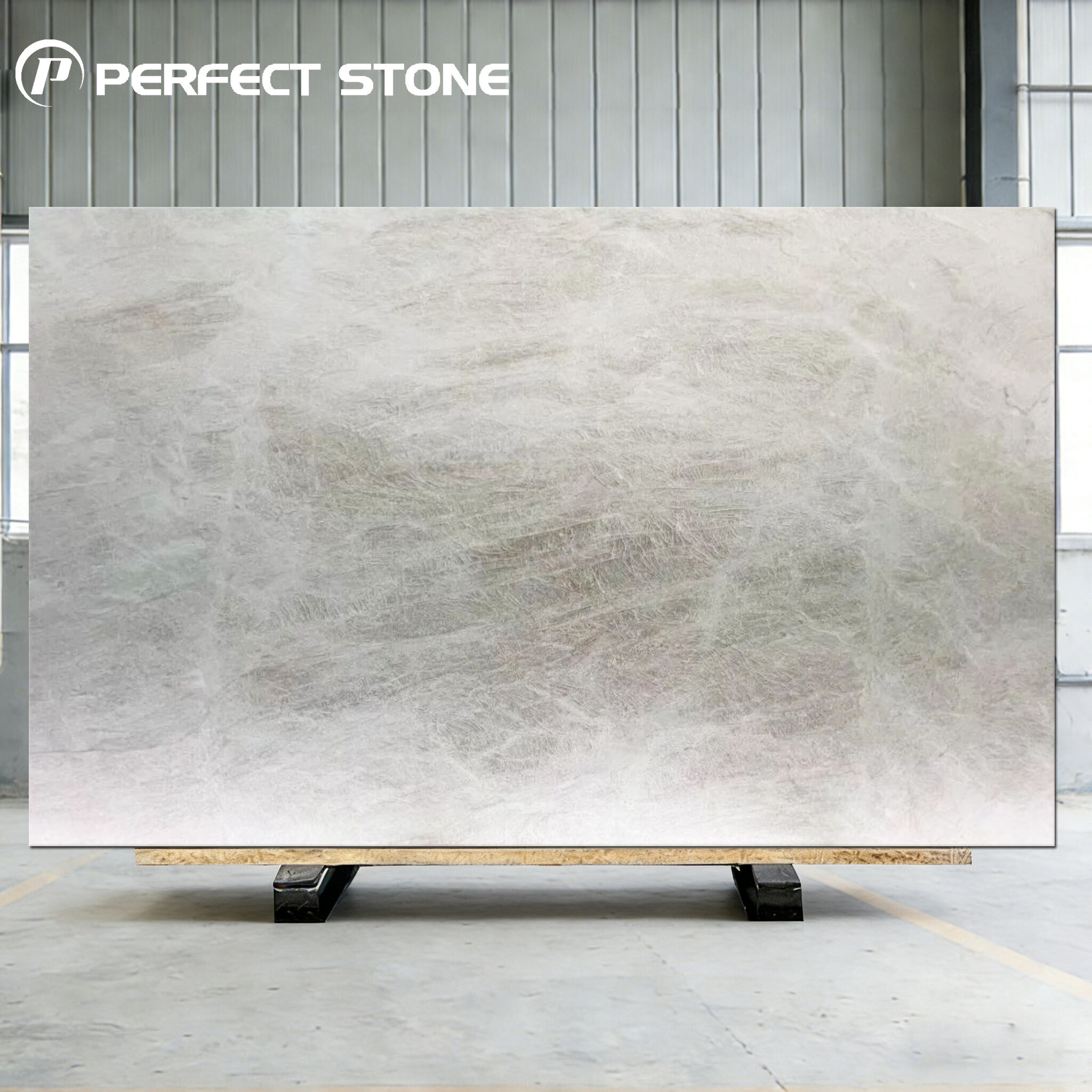
Natural stone countertops have become the hallmark of luxury kitchen design, and among the most coveted materials is taj mahal quartzite. This stunning natural stone combines the elegance of marble with the durability of granite, making it an exceptional choice for homeowners and designers seeking both beauty and functionality. The soft, creamy background adorned with subtle veining creates a timeless aesthetic that complements various design styles from traditional to contemporary.
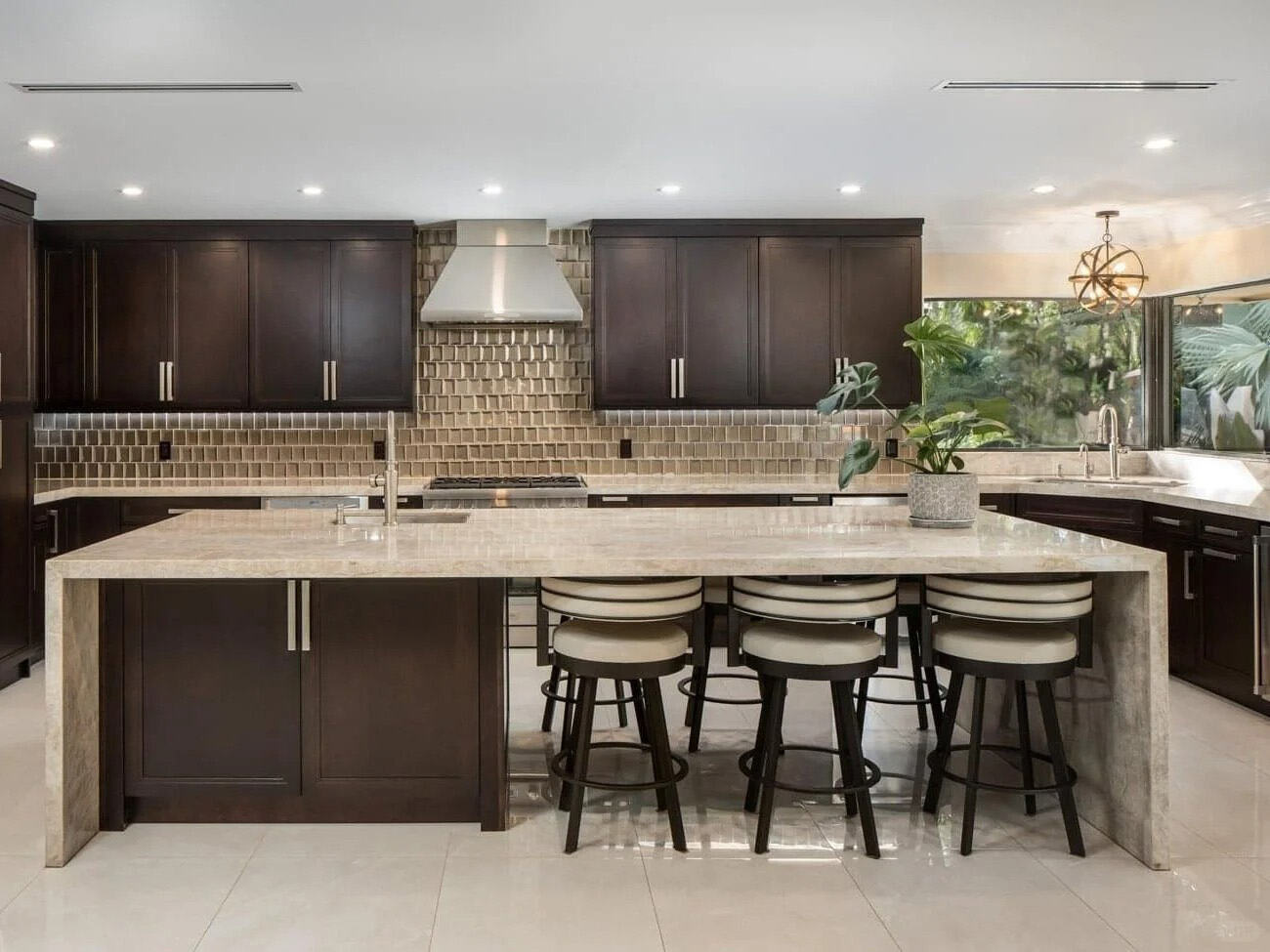
The growing popularity of taj mahal quartzite stems from its unique geological formation and exceptional visual characteristics. Unlike synthetic materials, this natural stone offers depth and character that cannot be replicated artificially. Each slab tells its own story through distinctive patterns and color variations, ensuring that every installation is truly one-of-a-kind. The material's versatility allows it to serve as both a functional work surface and a stunning focal point in residential and commercial spaces.
Understanding the properties and benefits of taj mahal quartzite helps homeowners make informed decisions about their countertop investments. This comprehensive guide explores everything from the stone's geological origins to installation considerations, maintenance requirements, and design applications. Whether renovating a kitchen or designing a new space, the insights provided here will illuminate why this particular quartzite has captured the attention of design professionals worldwide.
Geological Formation and Characteristics
Origin and Composition
Taj mahal quartzite originated millions of years ago through intense geological processes involving heat and pressure. The stone primarily consists of quartz crystals that have been compressed and recrystallized over time, creating an incredibly durable surface material. This metamorphic process transforms ordinary sandstone into the sophisticated material we see today, with quartz content typically ranging from 90 to 95 percent.
The distinctive appearance of taj mahal quartzite results from trace minerals and elements present during its formation. Iron oxide creates the warm, golden undertones, while feldspar contributes to the creamy background color. The veining patterns develop through the movement of mineral-rich fluids through fractures in the rock during metamorphosis, creating the elegant linear patterns that make each slab unique.
Physical Properties
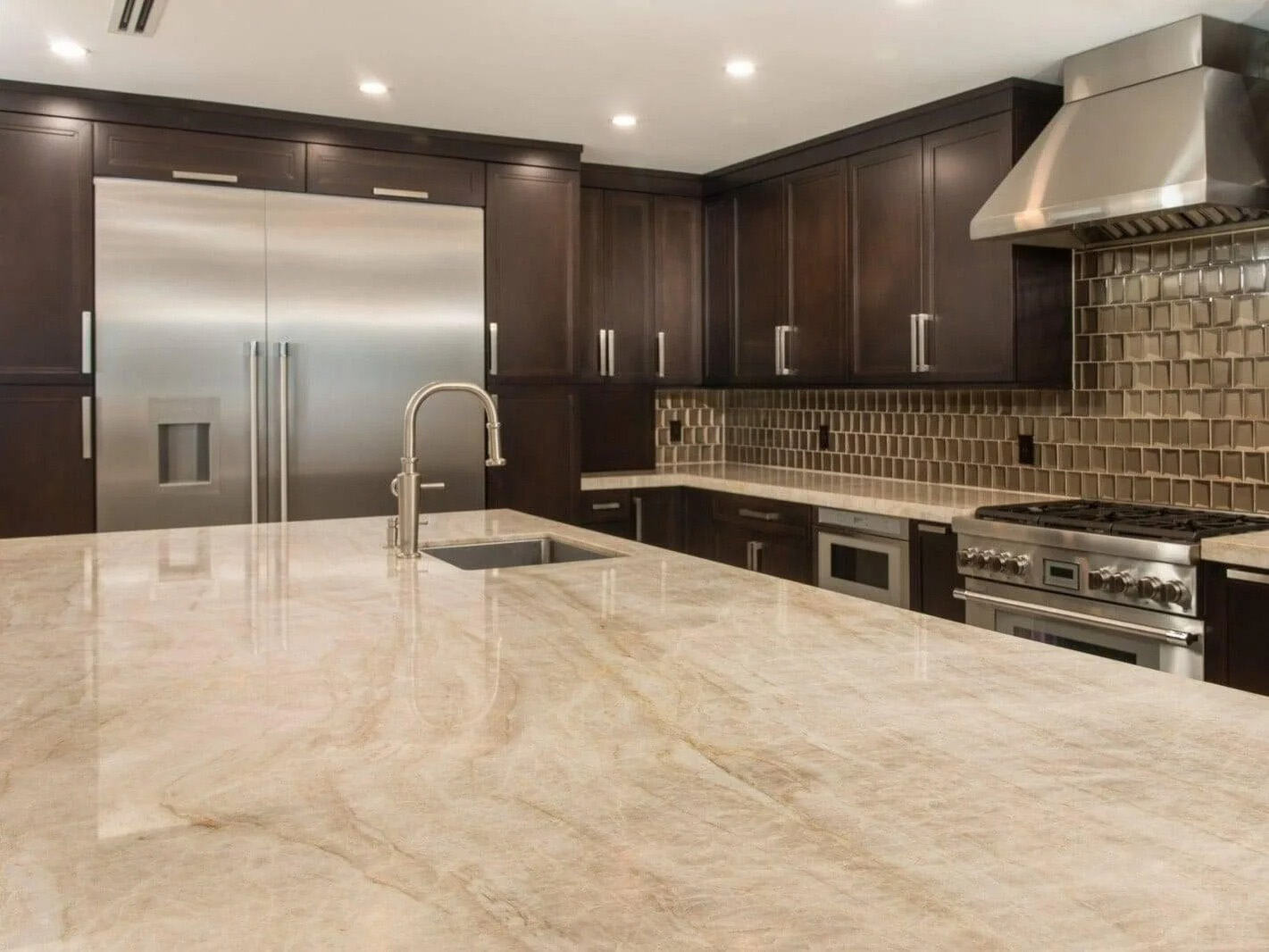
The exceptional hardness of taj mahal quartzite ranks between 7 and 8 on the Mohs scale, making it significantly more durable than marble and comparable to granite. This hardness translates to excellent resistance against scratches, chips, and daily wear from kitchen activities. The dense crystalline structure also provides natural resistance to heat, allowing hot cookware to be placed directly on the surface without damage under normal circumstances.
Porosity levels in taj mahal quartzite are generally low, typically ranging from 0.1 to 0.5 percent. This low porosity contributes to its stain resistance and reduces the frequency of sealing required compared to more porous natural stones. The uniform crystal structure also ensures consistent performance across the entire slab, minimizing concerns about weak spots or areas of varying durability.
Aesthetic Appeal and Visual Characteristics
Color Palette and Patterns
The signature appearance of taj mahal quartzite features a sophisticated neutral color palette dominated by creamy whites and soft beiges. These base colors are enhanced by subtle gray undertones that add depth and complexity to the overall appearance. The stone's natural luminosity reflects light beautifully, creating an airy and spacious feel in any room where it is installed.
Veining in taj mahal quartzite typically appears as delicate, flowing lines in shades of gray, taupe, and occasionally soft gold. These veins create movement and visual interest without overwhelming the space or competing with other design elements. The subtle nature of the veining allows the stone to serve as either a neutral backdrop or a sophisticated focal point, depending on the surrounding design choices.
Surface Finishes and Textures
Various surface finishes can be applied to taj mahal quartzite to achieve different aesthetic effects and functional characteristics. Polished finishes enhance the stone's natural luster and color depth while providing a smooth, easy-to-clean surface ideal for food preparation areas. The high-gloss finish also maximizes light reflection, contributing to brighter kitchen spaces.
Honed finishes offer a more understated, matte appearance that appeals to contemporary design preferences. This finish reduces glare while maintaining the stone's inherent beauty and durability. Leathered and brushed finishes provide textural interest and can help hide minor scratches or water spots, making them practical choices for busy households while adding tactile appeal to the surface.
Performance and Durability Benefits
Heat and Scratch Resistance
The exceptional heat resistance of taj mahal quartzite makes it an ideal choice for active kitchens where hot cookware is frequently used. The high quartz content allows the surface to withstand temperatures up to 300 degrees Fahrenheit without damage, though using trivets and hot pads remains recommended to maintain the stone's pristine appearance over time.
Scratch resistance represents another significant advantage of taj mahal quartzite over softer natural stones like marble or limestone. The hardness of quartz crystals means that normal kitchen knives and utensils will not scratch the surface during typical food preparation activities. However, using cutting boards helps preserve both the stone surface and knife blades while maintaining proper food safety practices.
Stain Resistance and Maintenance
The low porosity of taj mahal quartzite provides natural resistance to staining from common kitchen substances like oils, wine, and acidic foods. While the stone is not completely impervious to stains, its dense structure prevents most liquids from penetrating quickly, allowing time for cleanup before permanent staining occurs. This characteristic makes daily maintenance simple and stress-free for homeowners.
Proper sealing enhances the natural stain resistance of taj mahal quartzite and should be performed during installation and periodically thereafter. High-quality penetrating sealers create an additional barrier against liquids while maintaining the stone's natural appearance and breathability. Most installations require resealing every 12 to 18 months, depending on usage patterns and the specific sealer used.
Design Applications and Versatility
Kitchen Design Integration
Taj mahal quartzite serves as an exceptional foundation for various kitchen design styles, from traditional farmhouse aesthetics to sleek contemporary layouts. The neutral color palette complements both warm and cool cabinet finishes, allowing designers flexibility in creating cohesive color schemes. White and cream cabinets create a light, airy atmosphere, while darker cabinet colors provide dramatic contrast against the stone's pale background.
The stone's versatility extends to backsplash applications, where taj mahal quartzite can be used to create seamless transitions from countertop to wall. Book-matching techniques showcase the stone's natural patterns while creating stunning focal points behind cooking areas. The material's durability also makes it suitable for high-traffic areas like kitchen islands where both beauty and functionality are essential.
Bathroom and Commercial Applications
Beyond kitchen applications, taj mahal quartzite excels in bathroom environments where moisture resistance and easy maintenance are crucial. Vanity tops benefit from the stone's non-porous nature and resistance to common bathroom chemicals and toiletries. The elegant appearance elevates bathroom design while providing practical benefits that homeowners appreciate daily.
Commercial applications for taj mahal quartzite include restaurant countertops, hotel reception areas, and retail displays where durability and aesthetic appeal are equally important. The stone's ability to maintain its appearance under heavy use makes it a cost-effective choice for business owners seeking long-term value. Professional cleaning and maintenance protocols ensure optimal performance in demanding commercial environments.
Installation Considerations and Requirements
Fabrication and Cutting
Professional fabrication is essential for taj mahal quartzite installations due to the specialized equipment and expertise required to work with this hard natural stone. Diamond-tipped saw blades and water cooling systems prevent overheating during cutting while ensuring clean, precise edges. Experienced fabricators understand how to work with the stone's natural characteristics to minimize waste and maximize visual impact.
Template creation represents a critical step in the fabrication process, ensuring accurate measurements and proper fit during installation. Digital templating technology allows fabricators to create precise patterns while accounting for sink cutouts, edge details, and seam placement. Proper planning during this phase prevents costly mistakes and ensures seamless integration with existing cabinetry and fixtures.
Support and Installation Requirements
The weight of taj mahal quartzite requires adequate cabinet support to prevent sagging or damage over time. Standard cabinet construction typically provides sufficient support for most installations, but additional reinforcement may be necessary for large overhangs or unsupported spans. Professional installers evaluate existing cabinetry and recommend modifications when needed to ensure long-term stability.
Seam placement becomes crucial in large installations where multiple slabs are required to complete the project. Skilled installers position seams in low-visibility areas and use color-matched adhesives to minimize their appearance. The natural variation in taj mahal quartzite patterns allows experienced installers to create nearly invisible seams that maintain the stone's continuous appearance.
Cost Factors and Investment Value
Material and Installation Costs
The cost of taj mahal quartzite typically falls in the premium natural stone category, reflecting both its beauty and performance characteristics. Material costs vary based on slab thickness, finish quality, and current market availability. While initial investment is higher than laminate or tile alternatives, the long-term value and durability make taj mahal quartzite a wise investment for most homeowners.
Installation costs for taj mahal quartzite depend on project complexity, edge detail requirements, and regional labor rates. Simple installations with straight edges cost less than elaborate designs featuring decorative edge profiles or complex cutouts. Obtaining multiple quotes from qualified installers helps homeowners understand local pricing and select the best value for their specific project requirements.
Long-term Value and Return on Investment
Home value appreciation represents one of the most compelling reasons to choose taj mahal quartzite for countertop applications. Real estate professionals consistently report that high-quality natural stone surfaces contribute significantly to kitchen appeal and overall home marketability. The timeless beauty and durability ensure that the investment maintains its value over many years of use.
Maintenance costs remain relatively low for taj mahal quartzite compared to other premium materials, contributing to its overall value proposition. The stone's durability means fewer repairs or replacements over its lifetime, while simple cleaning requirements keep ongoing maintenance expenses minimal. These factors combine to create an excellent return on investment for homeowners who appreciate both beauty and practicality.
Care and Maintenance Guidelines
Daily Cleaning and Care
Maintaining the beauty of taj mahal quartzite requires only basic cleaning practices that most homeowners can easily incorporate into their daily routines. Warm water and mild dish soap effectively remove most food residues and everyday soil without damaging the stone surface or its protective sealer. Microfiber cloths prevent scratching while providing effective cleaning action that leaves surfaces streak-free and sparkling.
Immediate cleanup of spills prevents potential staining and maintains the stone's pristine appearance. While taj mahal quartzite resists most common household stains, acidic substances like citrus juices or vinegar should be cleaned promptly to prevent any possible etching. This simple precaution ensures that the stone maintains its smooth surface texture and original luster throughout years of use.
Periodic Maintenance and Protection
Professional sealing enhances the natural properties of taj mahal quartzite and should be performed according to manufacturer recommendations or as needed based on usage patterns. Quality sealers penetrate the stone's surface to provide additional protection against stains while maintaining the natural appearance and breathability of the material. Water bead tests help determine when resealing is necessary to maintain optimal protection.
Annual professional maintenance may include deep cleaning, sealer evaluation, and minor repairs if needed. Professional stone care specialists have access to specialized cleaning products and equipment that can restore the stone's original beauty and address any issues before they become major problems. This preventive approach extends the life of taj mahal quartzite surfaces and maintains their investment value.
FAQ
How does taj mahal quartzite compare to granite in terms of durability
Taj mahal quartzite generally equals or exceeds granite in durability due to its high quartz content and dense crystalline structure. Both materials offer excellent scratch and heat resistance, but quartzite typically has lower porosity, making it naturally more stain-resistant than most granite varieties. The hardness of taj mahal quartzite also means it maintains its polished surface longer under normal use conditions.
What cabinet colors work best with taj mahal quartzite countertops
The neutral color palette of taj mahal quartzite complements a wide range of cabinet colors, from classic whites and creams to rich espressos and navy blues. Light-colored cabinets create a bright, airy feel, while darker cabinets provide dramatic contrast that highlights the stone's subtle veining. Gray and taupe cabinet colors offer sophisticated coordination with the stone's natural undertones.
Can taj mahal quartzite be used for outdoor applications like patios or outdoor kitchens
Yes, taj mahal quartzite performs well in outdoor applications due to its weather resistance and durability. The stone withstands freeze-thaw cycles better than many alternatives and maintains its color stability under UV exposure. However, outdoor installations may require more frequent sealing due to exposure to the elements, and proper drainage is essential to prevent water accumulation.
How often does taj mahal quartzite need to be sealed
Most taj mahal quartzite installations require sealing every 12 to 18 months, depending on usage patterns and the quality of the original sealer application. Kitchen countertops may need more frequent sealing than bathroom applications due to higher exposure to oils and acidic foods. Professional evaluation during annual maintenance helps determine the optimal sealing schedule for specific installations.