 EN
EN


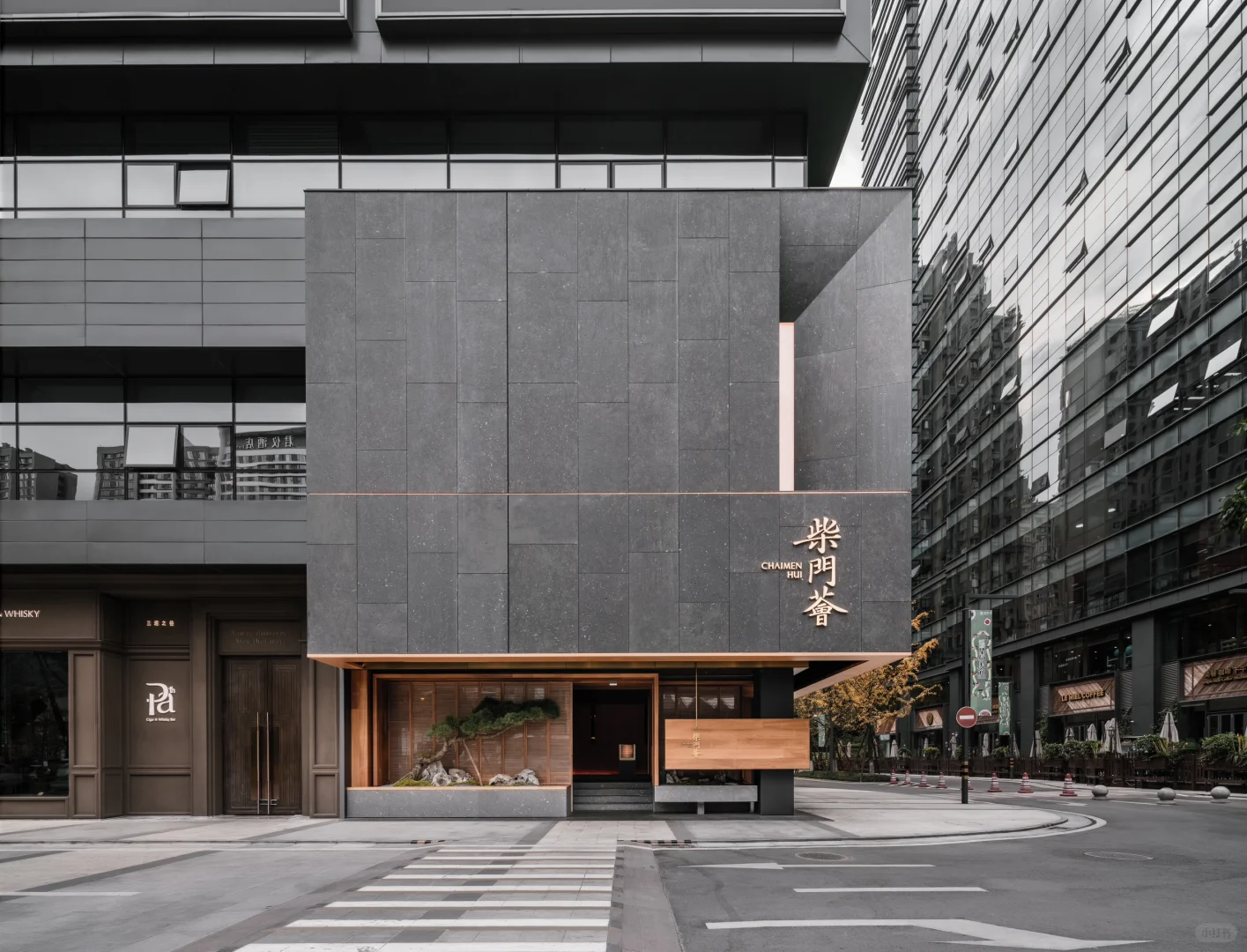
Exterior facade materials play a crucial role in defining both the aesthetic appeal and structural integrity of modern buildings. Among the various natural stone options available today, limestone has emerged as one of the most sought-after choices for wall cladding applications. This versatile sedimentary rock offers an exceptional combination of durability, visual appeal, and practical benefits that make it ideal for contemporary architectural projects. Architects and builders increasingly turn to limestone for its ability to create striking facades that stand the test of time while maintaining their natural beauty.
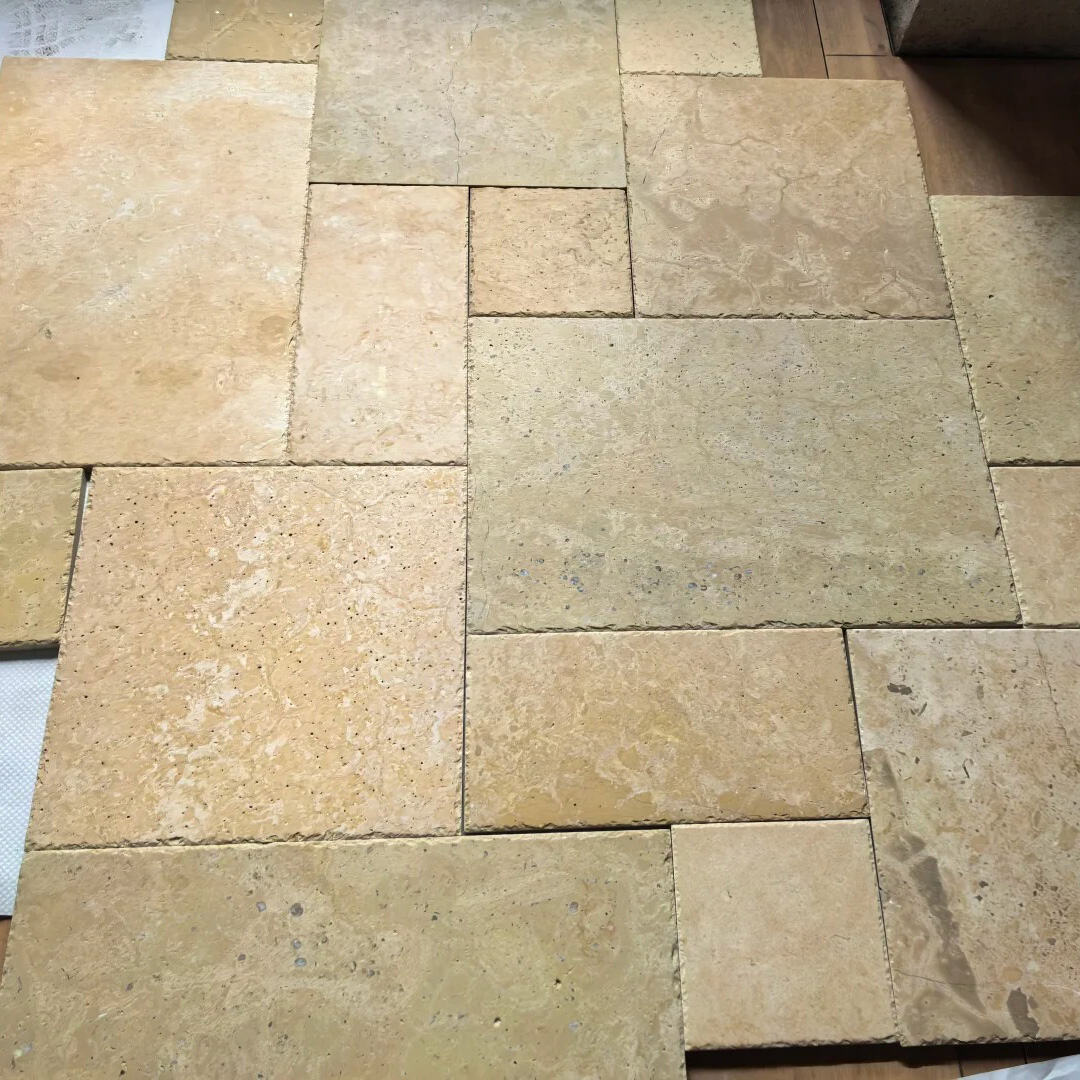
Natural Characteristics That Define Limestone Excellence
Geological Formation and Composition
Limestone forms through millions of years of marine sediment accumulation, creating a rock with unique characteristics that benefit construction applications. The primary component, calcium carbonate, gives limestone its distinctive properties including workability and weather resistance. This natural formation process results in varying densities and textures, allowing architects to select limestone varieties that match specific project requirements. The sedimentary nature of limestone creates natural layering patterns that add visual depth and character to exterior facades.
Different geological conditions during formation produce limestone with varying hardness levels and color variations. Harder limestone formations typically offer superior durability for exterior applications, while softer varieties may be more suitable for decorative elements. The mineral content within limestone affects both its appearance and performance characteristics, with iron oxide creating warm tones and other minerals contributing to unique patterns. Understanding these geological factors helps designers select the most appropriate limestone type for each specific facade application.
Color Variations and Texture Options
The natural color palette of limestone ranges from pristine whites and warm creams to deeper grays and golden hues. These color variations occur naturally during the rock formation process, influenced by mineral deposits and environmental conditions over geological time periods. Light-colored limestone varieties reflect solar heat effectively, contributing to energy efficiency in building design. Darker limestone tones provide dramatic contrast and sophisticated appearance that complements modern architectural styles.
Surface textures available in limestone cladding include smooth honed finishes, natural split faces, and brushed surfaces that enhance grip and visual interest. Textured limestone surfaces create shadow play throughout the day, adding dynamic visual elements to facade design. The natural variation in limestone texture provides organic appeal that cannot be replicated with manufactured materials. These texture options allow designers to create facades with varying levels of formality, from sleek contemporary appearances to rustic traditional styles.
Durability and Performance Advantages
Weather Resistance Properties
Limestone demonstrates exceptional resistance to various weather conditions, making it particularly suitable for exterior facade applications in diverse climates. The dense structure of quality limestone prevents water infiltration while allowing natural moisture vapor transmission. This breathability characteristic helps prevent moisture buildup behind cladding systems, reducing the risk of structural damage over time. Freeze-thaw cycles, common in temperate climates, have minimal impact on properly selected and installed limestone cladding.
Wind-driven rain and atmospheric pollution pose challenges for many facade materials, but limestone maintains its integrity under these conditions. The natural alkalinity of limestone provides some resistance to acid rain effects, though proper sealing may be recommended in highly polluted urban environments. Solar radiation exposure actually enhances the appearance of many limestone varieties, creating natural patina development that adds character over time. Temperature fluctuations cause minimal expansion and contraction in limestone, reducing stress on mounting systems and adjacent materials.
Structural Integrity and Longevity
The compressive strength of limestone varies by formation type, with many varieties exceeding requirements for exterior cladding applications. This structural integrity ensures that limestone panels maintain their position and appearance even under significant wind loads and seismic activity. Properly installed limestone cladding can last for decades with minimal maintenance, providing excellent long-term value for building owners. The natural aging process of limestone typically enhances rather than detracts from its appearance, unlike many synthetic alternatives.
Limestone exhibits excellent dimensional stability, maintaining its shape and size throughout seasonal temperature variations. This stability reduces the likelihood of cracking or warping that can occur with other natural and synthetic materials. The inherent strength of limestone allows for thin profile installations, reducing overall facade weight while maintaining structural performance. Quality limestone sourced from reputable quarries demonstrates consistent performance characteristics that architects can rely upon for critical facade applications.
Aesthetic Appeal and Design Flexibility
Architectural Style Compatibility
Limestone adapts seamlessly to various architectural styles, from classical revival buildings to cutting-edge contemporary designs. The timeless appeal of limestone has graced important structures throughout history, providing a connection to traditional craftsmanship while meeting modern performance standards. Contemporary architects appreciate limestone for its ability to create clean lines and minimalist facades that emphasize form and proportion. The natural variation within limestone prevents the monotonous appearance that can result from manufactured cladding materials.
Traditional architectural applications showcase limestone in formal compositions with careful attention to jointing patterns and proportional relationships. Modern interpretations often feature larger limestone panels with minimal joints, creating smooth continuous surfaces that emphasize the stone's natural beauty. Mixed-material facades incorporate limestone as accent elements or primary cladding, coordinating effectively with glass, metal, and other contemporary materials. The versatility of limestone allows it to serve as either the dominant facade element or as complementary detailing within complex architectural compositions.
Customization and Fabrication Options
Modern stone fabrication techniques enable precise customization of limestone cladding to meet specific design requirements. Computer-controlled cutting equipment produces limestone panels with exact dimensions and consistent thickness for seamless installation. Custom edge profiles, surface textures, and integrated mounting systems can be incorporated during the fabrication process. These capabilities allow architects to specify limestone cladding that integrates perfectly with other building systems and design elements.
Advanced fabrication methods include water jet cutting for intricate patterns, diamond wire sawing for large panels, and specialized finishing techniques for unique surface effects. Thermal finishing processes can modify limestone surface characteristics to achieve specific slip resistance or visual properties. Prefabricated limestone assemblies combine multiple pieces into larger units, reducing installation time and ensuring consistent appearance. These fabrication options provide designers with unprecedented control over the final appearance and performance of limestone facade systems.
Installation and Maintenance Considerations
Proper Installation Techniques
Successful limestone cladding installation requires careful attention to substrate preparation, fastening methods, and weather protection during construction. The substrate must provide adequate support and levelness to prevent stress concentrations that could damage limestone panels. Mechanical fastening systems typically perform better than adhesive-only installations, providing positive connection between limestone and structural elements. Proper flashing and drainage details prevent water infiltration that could compromise both the limestone and underlying structure.
Installation crews experienced with limestone understand the importance of handling procedures that prevent chipping or cracking during placement. Temporary protection measures shield installed limestone from construction damage and staining from other trades. Joint sealing requires compatible materials that accommodate thermal movement while maintaining weatherproof barriers. Quality control during installation ensures that limestone panels align properly and meet specified tolerances for appearance and performance.
Long-term Maintenance Requirements
Limestone cladding requires minimal maintenance compared to many alternative facade materials, contributing to its cost-effectiveness over the building lifecycle. Regular cleaning with appropriate methods removes surface dirt and atmospheric deposits without damaging the limestone surface. Periodic inspection identifies any loose panels, damaged sealants, or developing issues before they become major problems. Resealing of joints and application of protective treatments may be necessary depending on environmental conditions and limestone type.
Stain removal techniques for limestone must consider the stone's sensitivity to acidic cleaners while effectively addressing specific contamination types. Power washing with controlled pressure and appropriate cleaning agents restores limestone appearance without causing surface damage. Replacement of individual limestone panels is possible when necessary, though proper color and texture matching requires careful material selection. Professional maintenance programs ensure that limestone facades retain their appearance and performance characteristics throughout their service life.
Environmental and Sustainability Benefits
Natural Resource Advantages
Limestone represents a renewable natural resource that forms through ongoing geological processes, though extraction must be managed responsibly for long-term sustainability. Quarrying operations can be designed to minimize environmental impact through careful planning, progressive rehabilitation, and water management practices. Local limestone sourcing reduces transportation-related environmental impacts while supporting regional economies. The abundant availability of limestone in many regions makes it an accessible choice for sustainable building practices.
Modern quarrying techniques maximize limestone yield while minimizing waste through careful geological mapping and selective extraction methods. Quarry rehabilitation programs restore extracted areas to beneficial uses including wildlife habitat, recreational facilities, or agricultural applications. The long service life of limestone cladding reduces replacement frequency, minimizing ongoing environmental impacts associated with facade materials. Recycling and reuse possibilities for limestone extend its lifecycle beyond initial building applications.
Energy Performance Characteristics
The thermal mass properties of limestone contribute to building energy efficiency by moderating temperature swings and reducing heating and cooling loads. Light-colored limestone reflects significant solar radiation, helping to reduce cooling requirements in warm climates. The thermal lag effect of limestone mass shifts peak heat gain to periods when cooling systems operate more efficiently. These thermal characteristics make limestone an attractive choice for sustainable building design strategies focused on energy performance.
Limestone cladding systems can incorporate insulation layers that enhance overall wall assembly thermal performance while maintaining the aesthetic benefits of natural stone. The combination of limestone thermal mass with modern insulation technologies creates high-performance facade systems suitable for energy-efficient building standards. Natural ventilation strategies benefit from limestone's ability to absorb and release heat gradually, contributing to comfortable interior conditions with reduced mechanical system operation.
FAQ
How does limestone compare to other natural stone cladding options
Limestone offers several advantages over alternatives like granite, marble, and sandstone for exterior cladding applications. Compared to granite, limestone is generally easier to work with and less expensive while providing excellent durability for most climate conditions. Unlike marble, limestone is less susceptible to acid rain damage and maintains its appearance better in urban environments. Sandstone may be more porous than quality limestone, potentially requiring more frequent maintenance and protective treatments in harsh weather conditions.
What factors affect the cost of limestone cladding projects
Several factors influence limestone cladding costs including stone quality, panel size, surface finishing requirements, and project complexity. Higher grade limestone with consistent color and minimal defects commands premium pricing but provides superior long-term performance. Larger panel sizes reduce installation labor costs but may require more expensive fabrication and handling equipment. Custom finishes, complex shapes, and detailed installation requirements increase both material and labor costs significantly.
Can limestone cladding be used in all climate conditions
Limestone performs well in most climate conditions when properly selected and installed, though some varieties are better suited to specific environments. Dense, low-porosity limestone works best in freeze-thaw climates where water infiltration could cause damage. In coastal environments with salt exposure, limestone selection should prioritize varieties with proven salt resistance characteristics. Hot, arid climates actually favor limestone due to its thermal properties and resistance to solar degradation.
What are the key considerations for limestone selection and specification
Successful limestone selection requires evaluation of physical properties, aesthetic characteristics, and performance history in similar applications. Compressive strength, absorption rates, and freeze-thaw resistance test results guide selection for specific climate conditions. Color consistency, texture uniformity, and geological formation characteristics affect both appearance and long-term performance. Quarry location, extraction methods, and supplier quality control practices influence material reliability and project success rates.