 EN
EN


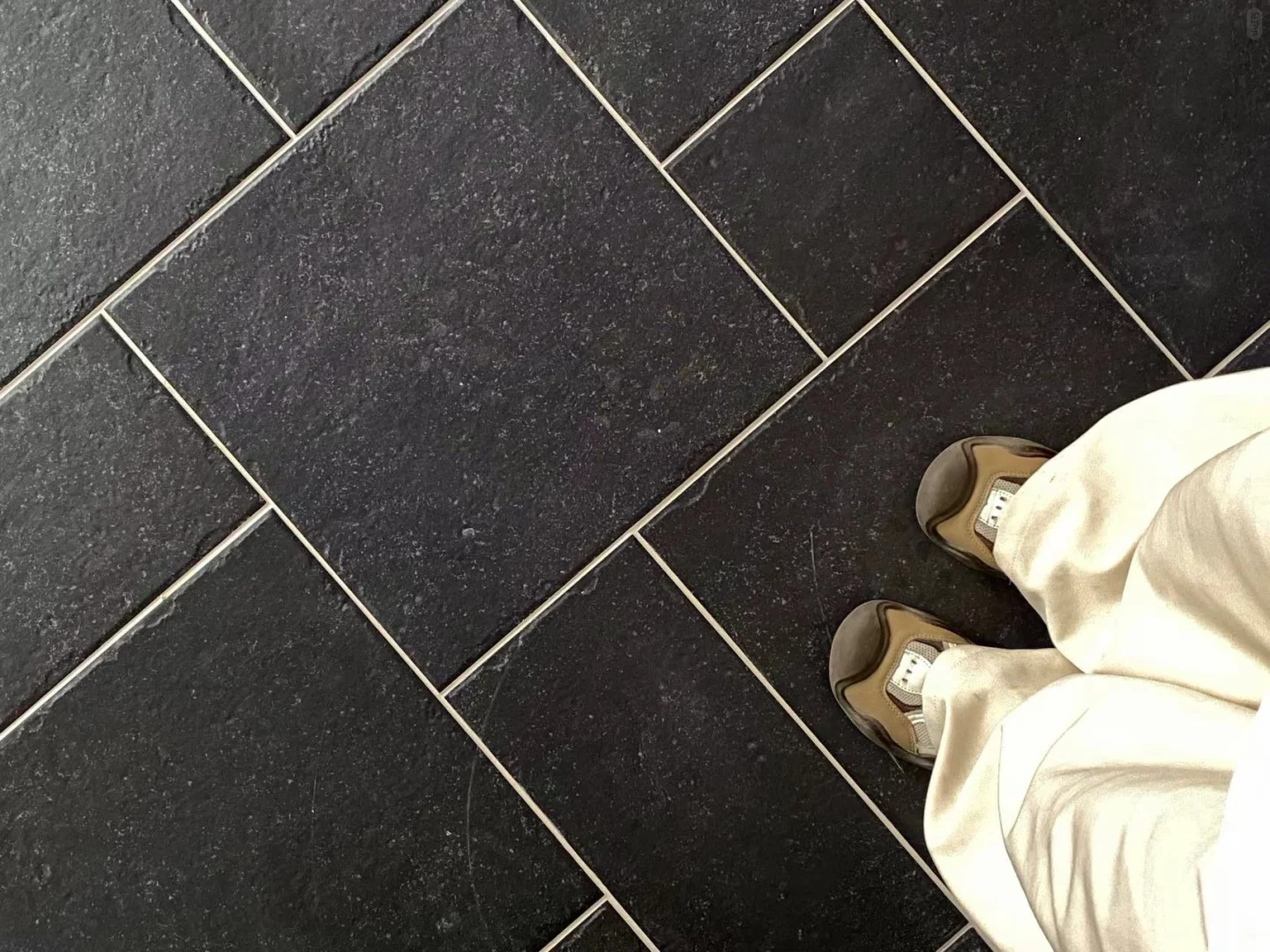
When considering natural stone options for outdoor paving projects, limestone emerges as a compelling choice that combines aesthetic appeal with practical functionality. This sedimentary rock has been used in construction for centuries, gracing everything from ancient monuments to modern architectural masterpieces. Property owners and contractors often wonder whether limestone can withstand the demands of high-traffic outdoor environments while maintaining its visual integrity over time.
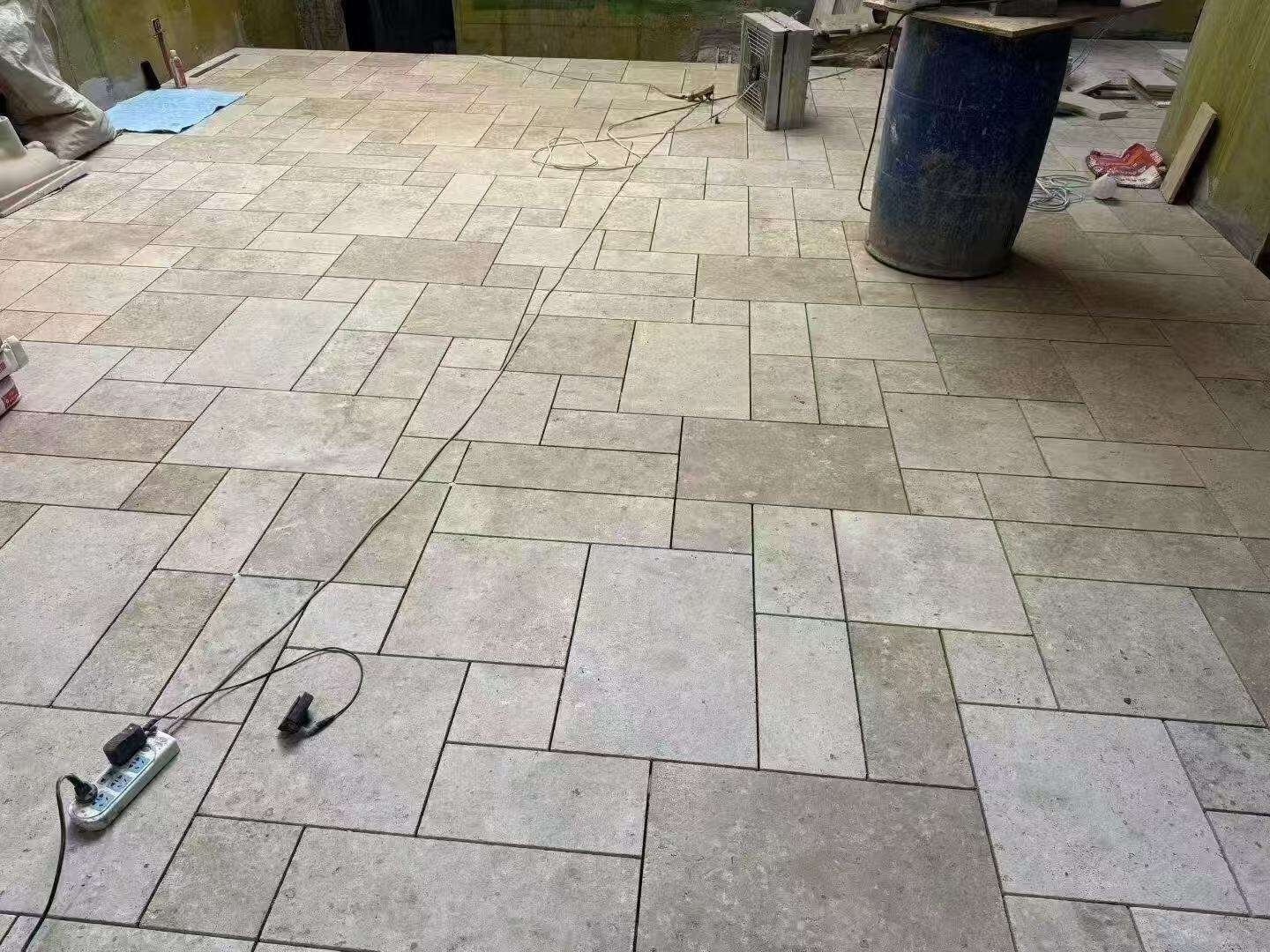
The durability of limestone in outdoor applications depends on various factors including the specific type of limestone selected, local climate conditions, and proper installation techniques. Understanding these variables helps property owners make informed decisions about incorporating this versatile natural stone into their outdoor spaces. Modern quarrying and processing methods have significantly improved the quality and consistency of limestone products available today.
Understanding Limestone Composition and Structure
Natural Formation Process
Limestone forms through the accumulation of marine organisms, coral, and sediment over millions of years. This natural process creates a stone with unique characteristics that distinguish it from other natural stone options. The calcium carbonate composition gives limestone its distinctive properties, including its ability to be carved and shaped while maintaining structural integrity.
The density and porosity of limestone vary significantly depending on the geological conditions during formation. Some limestone varieties exhibit tight, compact structures that resist water penetration, while others feature more porous compositions that require additional sealing for outdoor applications. Understanding these fundamental differences helps contractors select appropriate limestone types for specific project requirements.
Mineral Content and Hardness
The mineral composition of limestone directly influences its durability and performance characteristics. Pure limestone consists primarily of calcium carbonate, but many commercial varieties contain additional minerals that enhance strength and weather resistance. These secondary minerals can include quartz, clay minerals, and iron oxides that contribute to both structural integrity and color variation.
Limestone hardness typically ranges from 3 to 4 on the Mohs scale, making it softer than granite but harder than many other sedimentary stones. This moderate hardness level allows limestone to be worked easily during installation while providing sufficient resistance to normal wear patterns. The crystalline structure of limestone contributes to its ability to maintain surface texture even under moderate foot traffic.

Durability Factors in High-Traffic Applications
Weather Resistance Properties
Limestone demonstrates excellent resistance to temperature fluctuations when properly selected and installed. The thermal expansion coefficient of limestone remains relatively stable across typical outdoor temperature ranges, reducing the risk of cracking from freeze-thaw cycles. However, limestone performance varies significantly based on porosity levels and local climate conditions.
Moisture absorption represents a critical factor in limestone durability, particularly in regions experiencing frequent precipitation or humidity changes. Dense limestone varieties with low porosity levels exhibit superior moisture resistance compared to their more porous counterparts. Proper sealing and drainage design become essential elements in maintaining limestone integrity over extended periods.
Traffic Load Considerations
High-traffic outdoor areas subject limestone to various mechanical stresses including compression loads, abrasion, and impact forces. The compressive strength of quality limestone typically exceeds requirements for pedestrian applications and light vehicular traffic. However, the surface finish and texture play crucial roles in maintaining slip resistance and visual appeal under heavy use.
Surface treatments and texturing options can significantly enhance limestone performance in high-traffic environments. Natural cleft surfaces, honed finishes, and thermal treatments each offer distinct advantages for specific applications. The selection of appropriate surface treatments helps balance aesthetic preferences with functional requirements for long-term durability.
Installation Best Practices for Maximum Longevity
Foundation and Base Preparation
Proper foundation preparation forms the cornerstone of successful limestone installation in high-traffic areas. The base system must provide adequate support while allowing for proper drainage to prevent water accumulation beneath the stone surface. Compacted aggregate bases with appropriate gradation ensure uniform load distribution across limestone pavers.
Drainage considerations become particularly important for limestone installations due to the stone's susceptibility to certain types of chemical weathering. Installing proper slope gradients and incorporating drainage systems helps prevent water pooling that could lead to accelerated deterioration or staining issues over time.
Joint Systems and Sealant Selection
Joint design and sealant selection significantly impact the long-term performance of limestone installations. Flexible joint sealants accommodate natural stone movement while preventing water infiltration that could compromise the installation integrity. The width and depth of joints must accommodate both aesthetic preferences and functional requirements for thermal expansion.
Permeable joint systems offer advantages in certain applications by allowing moisture vapor transmission while maintaining structural stability. These systems help prevent efflorescence formation and reduce hydrostatic pressure that could affect limestone performance. Regular joint maintenance ensures continued protection against environmental factors.
Maintenance Requirements and Longevity
Routine Cleaning Procedures
Maintaining limestone appearances in high-traffic areas requires understanding appropriate cleaning methods and products. Neutral pH cleaners preserve limestone surfaces without causing chemical damage that could compromise structural integrity. Avoiding acidic cleaning products prevents etching and surface deterioration that commonly affects calcium carbonate-based stones.
Regular cleaning schedules help prevent buildup of organic materials and stains that could permanently discolor limestone surfaces. Power washing techniques, when properly applied, can restore limestone appearances without damaging surface textures. The frequency of cleaning depends on traffic levels, environmental conditions, and specific limestone characteristics.
Sealing and Protection Strategies
Protective sealing enhances limestone durability by reducing moisture absorption and stain penetration. Modern sealing products offer various performance characteristics including breathable formulations that allow vapor transmission while repelling liquid water. The selection of appropriate sealing systems depends on limestone porosity, intended use, and aesthetic requirements.
Sealing schedules typically range from annual applications for high-traffic areas to longer intervals for protected installations. Environmental factors including UV exposure, precipitation levels, and chemical exposure influence sealing performance and reapplication timing. Regular assessment of sealing effectiveness helps maintain optimal limestone protection.
Comparing Limestone to Alternative Materials
Performance Against Other Natural Stones
When compared to granite, limestone offers distinct advantages in terms of workability and cost while providing adequate durability for most outdoor applications. Granite exceeds limestone in hardness and weather resistance, but limestone provides superior thermal comfort and slip resistance in many outdoor environments. The choice between these materials often depends on specific project requirements and budget considerations.
Sandstone presents similar porosity characteristics to limestone but often exhibits greater variation in quality and performance. Limestone generally provides more consistent coloration and texture compared to sandstone alternatives. Both materials require similar installation and maintenance approaches, making limestone a reliable choice for projects requiring predictable performance characteristics.
Engineered Material Comparisons
Concrete pavers and manufactured stone products offer certain advantages in terms of dimensional consistency and standardized performance characteristics. However, limestone provides unique aesthetic qualities and natural variation that engineered materials cannot replicate. The environmental benefits of limestone extraction and processing often favor natural stone selection over energy-intensive manufactured alternatives.
Long-term cost analysis frequently favors limestone installations when considering lifecycle costs including maintenance, replacement, and aesthetic value retention. The natural aging process of limestone often enhances rather than detracts from its visual appeal, unlike some manufactured materials that show wear patterns more prominently over time.
Climate Considerations and Regional Performance
Cold Climate Applications
Limestone performance in cold climates depends heavily on proper material selection and installation techniques. Dense, low-porosity limestone varieties demonstrate excellent freeze-thaw resistance when properly installed with adequate drainage. Salt exposure from deicing applications requires special consideration due to limestone's sensitivity to certain chemical interactions.
Thermal cycling in cold climates tests limestone durability through repeated expansion and contraction cycles. Quality limestone installations with proper joint systems accommodate these movements without structural damage. Snow load considerations may require additional structural support in regions experiencing heavy winter precipitation.
Hot and Humid Climate Considerations
Hot, humid climates present different challenges for limestone installations including accelerated biological growth and chemical weathering processes. The natural porosity of limestone can harbor moisture that promotes algae and moss growth, requiring more frequent cleaning and maintenance schedules. UV exposure in intense sunlight conditions may affect certain limestone colors over extended periods.
Thermal comfort becomes a significant advantage for limestone in hot climates due to its relatively low thermal conductivity compared to other paving materials. This characteristic makes limestone surfaces more comfortable for barefoot traffic and reduces heat island effects in outdoor spaces. Proper ventilation and drainage design help mitigate moisture-related issues in humid environments.
Cost-Benefit Analysis for High-Traffic Projects
Initial Investment Considerations
The initial cost of limestone installations typically falls within the mid-range of natural stone options, offering reasonable value for projects requiring natural stone aesthetics. Material costs vary significantly based on limestone type, source location, and required quantities. Transportation costs can significantly impact project budgets for installations located far from quarry sources.
Installation labor costs for limestone generally align with other natural stone materials, requiring skilled craftsmen familiar with proper handling and installation techniques. The workability of limestone often reduces installation time compared to harder stone materials, potentially offsetting higher material costs. Proper budgeting includes allowances for specialized tools and equipment required for limestone installation.
Long-Term Value Proposition
Limestone installations typically provide excellent long-term value through decades of service life when properly maintained. The natural aging process often enhances limestone appearances, developing attractive patina that adds character to outdoor spaces. Property value enhancement from quality limestone installations often exceeds initial investment costs over time.
Maintenance costs for limestone remain manageable through proper preventive care and regular cleaning schedules. Replacement costs rarely occur within typical property ownership periods, making limestone an economical choice for permanent installations. The environmental sustainability of limestone extraction and processing contributes to green building initiatives and sustainable design goals.
FAQ
How long does limestone last in high-traffic outdoor areas
Quality limestone installations in high-traffic outdoor areas typically last 50 to 100 years or more with proper maintenance. The actual lifespan depends on limestone quality, installation methods, traffic levels, and environmental conditions. Dense, well-sealed limestone varieties demonstrate exceptional longevity even under heavy pedestrian use. Regular maintenance including cleaning and resealing helps maximize limestone service life and maintain its aesthetic appeal throughout decades of use.
What maintenance does limestone require in outdoor applications
Limestone maintenance in outdoor applications includes regular cleaning with neutral pH cleaners, periodic sealing every 2-5 years depending on traffic levels, and prompt removal of stains or organic buildup. Avoiding acidic cleaning products prevents chemical damage to limestone surfaces. Joint maintenance and drainage system cleaning help prevent water-related issues that could compromise limestone integrity. Professional maintenance services can help property owners develop appropriate care schedules based on specific installation conditions.
Is limestone slippery when wet in high-traffic areas
Limestone slip resistance when wet depends primarily on surface texture and finish selection. Natural cleft and honed limestone surfaces generally provide good slip resistance even in wet conditions. Polished limestone finishes may become slippery when wet and are not recommended for high-traffic outdoor areas. Proper surface selection and texturing during installation can optimize slip resistance while maintaining desired aesthetic qualities. Anti-slip treatments are available for existing limestone installations where improved traction is needed.
Can limestone withstand freeze-thaw cycles without damage
Dense, low-porosity limestone varieties demonstrate excellent freeze-thaw resistance when properly installed with adequate drainage. The key to freeze-thaw durability lies in preventing water saturation within limestone pores where ice formation could cause cracking. Proper sealing, joint design, and drainage systems help protect limestone from freeze-thaw damage. Quality limestone installations in cold climates regularly withstand decades of seasonal temperature cycling without structural damage when installation best practices are followed.
Table of Contents
- Understanding Limestone Composition and Structure
- Durability Factors in High-Traffic Applications
- Installation Best Practices for Maximum Longevity
- Maintenance Requirements and Longevity
- Comparing Limestone to Alternative Materials
- Climate Considerations and Regional Performance
- Cost-Benefit Analysis for High-Traffic Projects
- FAQ