 EN
EN


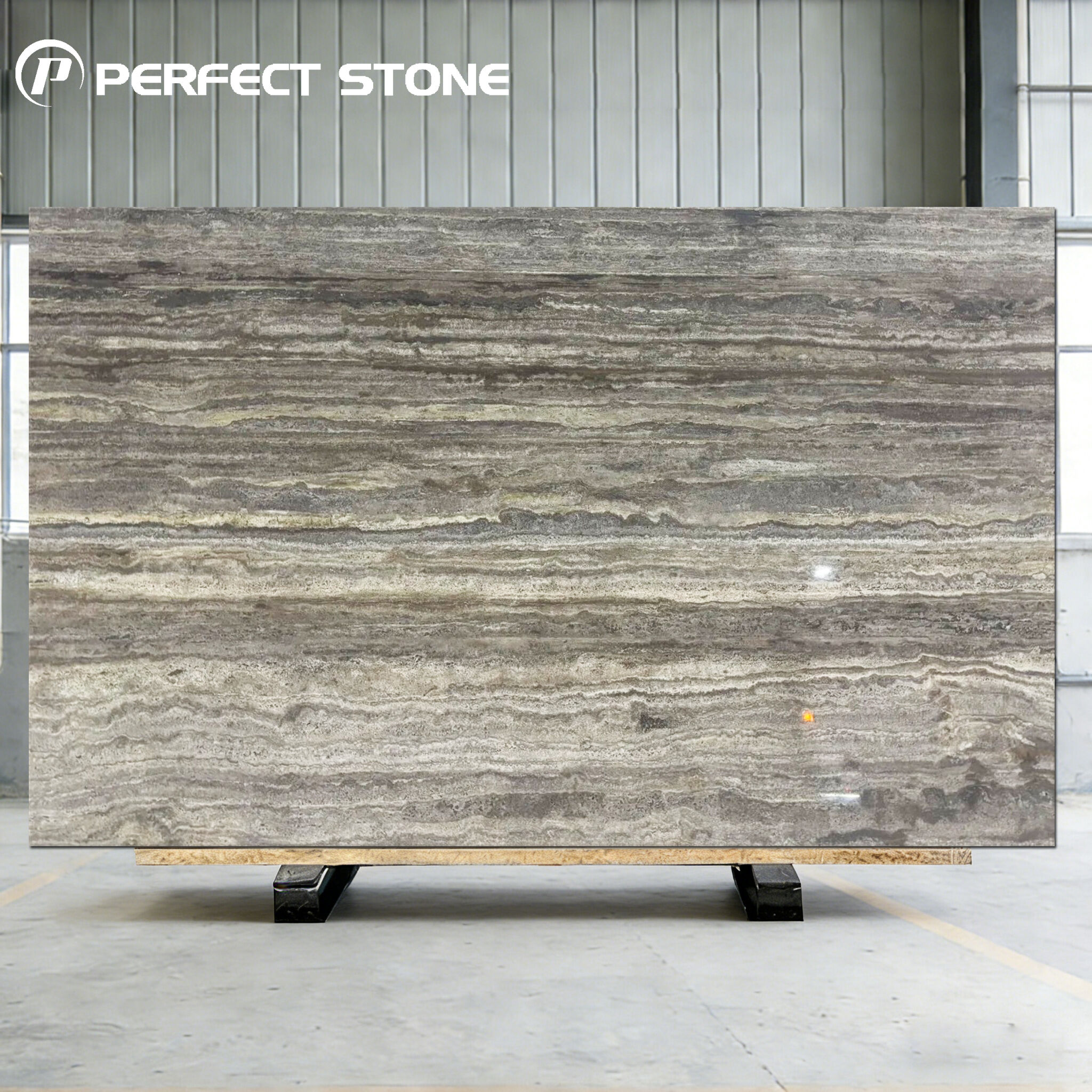
When considering natural stone options for bathroom renovations, travertine consistently emerges as a compelling choice that combines timeless elegance with practical functionality. This sedimentary rock, formed through the precipitation of carbonate minerals from solution in ground and surface waters, has been utilized in construction for thousands of years, from ancient Roman aqueducts to modern luxury spas. The unique cellular structure and warm, earthy tones of travertine create an atmosphere of sophisticated tranquility that transforms any bathroom into a spa-like retreat. However, selecting the right flooring and wall materials requires careful consideration of both aesthetic appeal and long-term performance in moisture-rich environments.
Understanding Travertine Characteristics for Bathroom Applications
Natural Formation and Physical Properties
Travertine develops through a fascinating geological process where calcium carbonate-rich water deposits layers of sediment over extended periods, creating the characteristic holes and channels that define this stone's appearance. These natural voids, ranging from tiny pinholes to larger cavities, contribute to travertine's distinctive texture and visual appeal while also influencing its performance characteristics in bathroom environments. The stone's porosity varies significantly depending on its origin and formation conditions, with some varieties exhibiting dense, compact structures while others display more open, cellular compositions that require specialized treatment and maintenance protocols.
The density of travertine typically ranges from 2.3 to 2.7 grams per cubic centimeter, making it lighter than many other natural stones like granite or marble, yet still providing substantial durability for residential and commercial applications. This moderate weight characteristic makes travertine installation more manageable while reducing structural load requirements, particularly beneficial for second-floor bathroom installations or older buildings with weight restrictions. The stone's compressive strength generally exceeds 1,000 pounds per square inch, ensuring long-term stability under normal bathroom usage conditions including heavy furniture, bathtubs, and regular foot traffic.
Color Variations and Aesthetic Considerations
Natural travertine exhibits an impressive spectrum of warm, neutral tones that complement virtually any bathroom design scheme, from contemporary minimalist aesthetics to traditional Mediterranean-inspired spaces. Common color variations include creamy ivory, warm beige, rich gold, rustic brown, and dramatic charcoal, with many stones displaying subtle veining and color variations that create visual depth and movement across large surface areas. These natural color variations result from different mineral compositions and environmental conditions during formation, ensuring that each travertine installation possesses unique character and personality that cannot be replicated through manufactured materials.
The inherent beauty of travertine lies not only in its color palette but also in its ability to interact with natural and artificial lighting throughout the day, creating dynamic visual effects that enhance the bathroom's ambiance. Lighter varieties reflect illumination effectively, making smaller bathrooms appear more spacious and bright, while darker tones create intimate, cozy atmospheres perfect for relaxation and unwinding. The stone's natural texture catches and diffuses light across its surface, eliminating the harsh glare often associated with polished ceramic or porcelain tiles while maintaining sufficient brightness for practical bathroom tasks.
Installation Considerations for Bathroom Environments
Moisture Management and Sealing Requirements
Proper moisture management represents the most critical aspect of successful travertine bathroom installations, as the stone's natural porosity can absorb water and potentially harbor bacteria or mold if not adequately protected through professional sealing and maintenance protocols. High-quality penetrating sealers should be applied before grouting and reapplied annually or bi-annually depending on usage patterns and environmental conditions. These sealers penetrate deep into the stone's porous structure, creating an invisible barrier that repels water while allowing the stone to breathe naturally, preventing moisture buildup that could lead to structural damage or hygiene concerns.
The selection of appropriate grout materials plays an equally important role in moisture protection, with epoxy-based grouts offering superior water resistance compared to traditional cement-based alternatives. Proper installation techniques include ensuring adequate drainage behind wall installations, maintaining consistent grout line widths, and implementing appropriate expansion joints to accommodate natural stone movement due to temperature and humidity fluctuations. Professional installers should also pay careful attention to areas around fixtures, corners, and transitions where water exposure is highest, potentially requiring additional waterproofing measures or specialized sealants.
Substrate Preparation and Support Systems
Successful travertine installation requires meticulous substrate preparation to ensure long-term stability and prevent common issues such as cracking, shifting, or delamination that can compromise both aesthetics and functionality. Floor applications typically require rigid subfloors with minimal deflection, often necessitating additional plywood layers or cement backerboard to achieve the necessary stability for natural stone installations. Wall applications benefit from cement backerboard or similar moisture-resistant substrates that provide adequate support while preventing moisture migration from behind the installation.
The adhesive selection process must account for travertine's unique characteristics, with modified thinset mortars specifically formulated for natural stone applications providing optimal bonding strength while accommodating the stone's porosity and potential color sensitivity. Premium adhesive systems often include polymer modifications that enhance flexibility and water resistance, crucial factors for bathroom environments where temperature and humidity fluctuations occur regularly. Proper trowel selection and application techniques ensure consistent adhesive coverage across the entire back surface of each tile, eliminating voids that could compromise structural integrity or create areas prone to water infiltration.
Maintenance Requirements and Long-term Performance
Daily Care and Cleaning Protocols
Maintaining travertine surfaces in bathroom environments requires establishing consistent daily care routines that preserve the stone's natural beauty while protecting against damage from moisture, soap residue, and mineral deposits commonly found in water supplies. Regular cleaning with pH-neutral stone cleaners specifically formulated for natural stone surfaces prevents the accumulation of soap scum and hard water stains that can etch or discolor travertine over time. Harsh cleaning products containing acids, bleach, or abrasive compounds should be strictly avoided, as these chemicals can permanently damage the stone's surface and compromise its protective sealer coating.
Immediate attention to spills and standing water prevents potential staining and moisture penetration that could lead to more serious maintenance issues. Simple daily practices such as squeegeeing shower walls, wiping down surfaces after use, and ensuring adequate ventilation significantly extend the life of travertine installations while maintaining their aesthetic appeal. The stone's natural texture provides excellent slip resistance when properly maintained, but accumulated soap residue or mineral deposits can create slippery conditions that compromise bathroom safety.
Restoration and Refinishing Options
One significant advantage of travertine in bathroom applications is its ability to be professionally restored and refinished when surface damage occurs or when aesthetic updates are desired, providing long-term value that manufactured materials cannot match. Professional restoration services can address issues such as etching from acidic substances, scratches from abrasive cleaning, or wear patterns in high-traffic areas through specialized grinding, honing, and polishing techniques that restore the original surface texture and appearance. This restoration capability means that travertine installations can maintain their beauty and functionality for decades with proper care and periodic professional maintenance.
Surface finish options for travertine range from smooth, polished surfaces that provide elegant sophistication to textured, tumbled finishes that offer enhanced slip resistance and rustic charm. The ability to modify surface finishes during restoration allows homeowners to update their bathroom's aesthetic without complete replacement, adapting to changing design preferences or functional requirements over time. Professional restoration also provides opportunities to upgrade sealer systems, implement improved maintenance protocols, or address any installation issues that may have developed since the original installation.
Cost Analysis and Value Proposition
Initial Investment Considerations
The initial cost of travertine bathroom installations typically falls within the mid-to-upper range of natural stone options, with pricing influenced by factors such as stone quality, origin, finish type, and installation complexity. While travertine generally costs less than premium materials like Carrara marble or exotic granites, it commands a price premium over ceramic or porcelain tiles due to its natural origin and unique aesthetic properties. Installation costs may be higher than synthetic alternatives due to the specialized techniques and materials required for proper natural stone installation, but this investment provides long-term value through durability and timeless appeal.
Budget considerations should account for not only the material and installation costs but also ongoing maintenance expenses including professional sealing, specialized cleaning products, and potential restoration services over the installation's lifetime. However, the ability to restore and refinish travertine surfaces means that properly maintained installations can last for decades without replacement, providing excellent long-term value compared to manufactured materials that may require complete replacement when damaged or outdated.
Return on Investment and Property Value
Natural stone bathroom installations, particularly those featuring travertine, consistently add significant value to residential properties and appeal to potential buyers who appreciate luxury finishes and timeless design elements. Real estate professionals often cite natural stone bathrooms as key selling points that differentiate properties in competitive markets, with travertine installations providing sophisticated elegance that photographs well and creates lasting impressions during property viewings. The stone's neutral color palette and classic appearance ensure that travertine bathrooms remain stylistically relevant across changing design trends, protecting the investment value over extended periods.
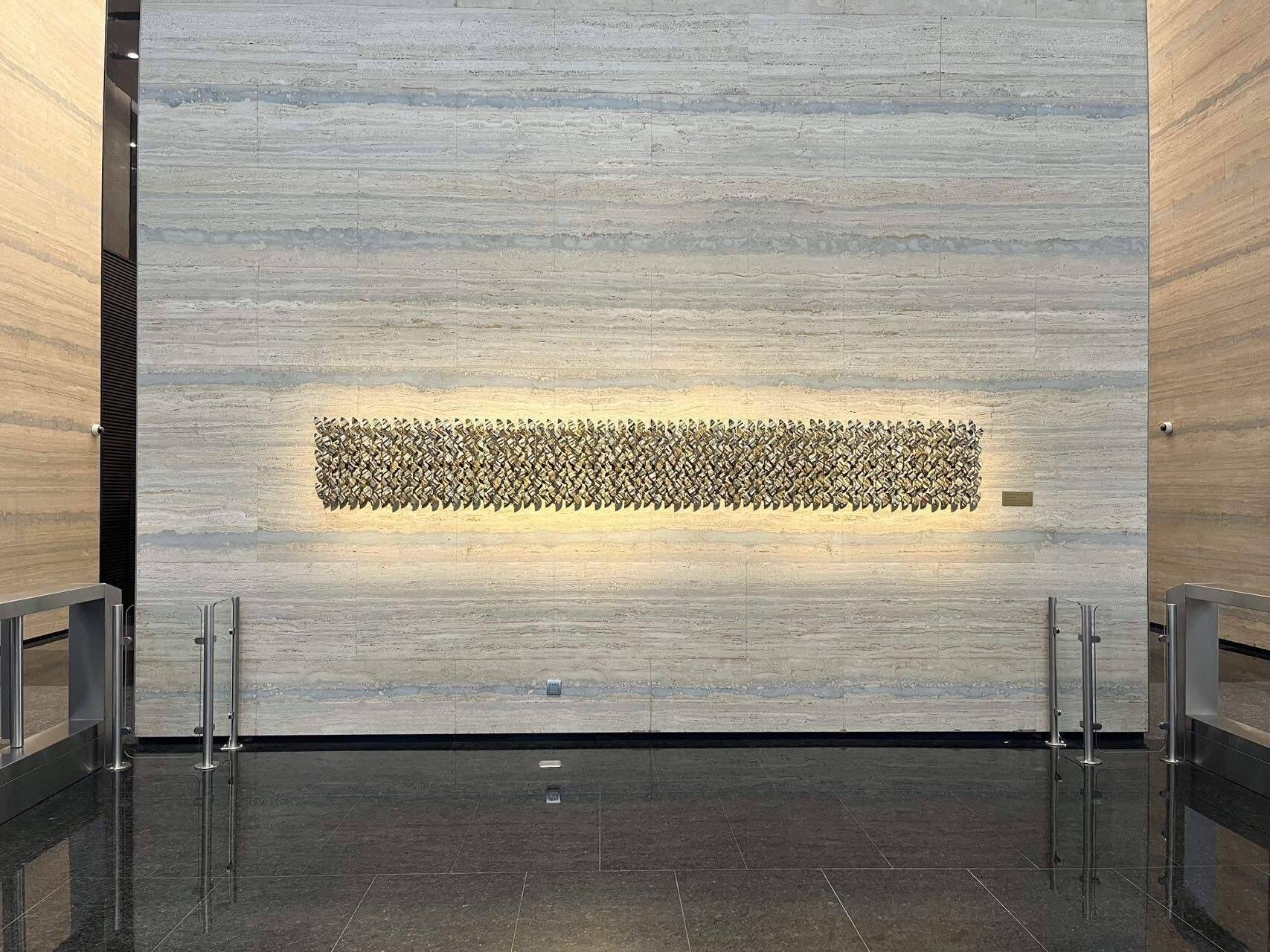
Commercial applications also benefit from travertine's value proposition, as the material's durability and sophisticated appearance create positive impressions on customers and clients while requiring minimal replacement or updating compared to synthetic alternatives. Hotels, spas, restaurants, and office buildings often specify travertine for bathroom applications specifically because of its ability to maintain high-end aesthetics under intensive use conditions while providing long-term operational cost savings through reduced replacement and renovation requirements.
Comparing Travertine to Alternative Materials
Natural Stone Alternatives
When evaluating travertine against other natural stone options for bathroom applications, several factors distinguish this sedimentary stone from alternatives like marble, granite, slate, or limestone. Marble, while offering similar elegance and natural beauty, typically requires more intensive maintenance due to its susceptibility to acid etching and staining, making travertine a more practical choice for busy family bathrooms or commercial applications. Granite provides superior durability and stain resistance but lacks the warm, inviting appearance that makes travertine particularly suitable for creating relaxing, spa-like bathroom environments.
Limestone shares many characteristics with travertine due to their similar carbonate compositions, but travertine's unique cellular structure provides better texture variation and visual interest while offering comparable performance characteristics. Slate offers excellent durability and water resistance but presents a more dramatic, contemporary aesthetic that may not complement traditional or transitional design schemes as effectively as travertine's versatile appearance. The selection between these natural stone options ultimately depends on specific design goals, maintenance preferences, and budget considerations unique to each project.
Engineered and Ceramic Alternatives
Modern engineered materials and high-quality ceramic tiles offer compelling alternatives to natural travertine, particularly for homeowners prioritizing low maintenance requirements and consistent appearance characteristics. Porcelain tiles designed to mimic travertine provide similar visual appeal with enhanced stain resistance, reduced porosity, and simplified maintenance protocols that appeal to busy households or commercial applications with limited maintenance resources. However, these manufactured alternatives lack the unique character variations, natural aging properties, and authentic texture that make genuine travertine installations distinctive and valuable.
Engineered stone products offer excellent durability and consistent performance but cannot replicate the subtle color variations, natural imperfections, and organic beauty that characterize authentic travertine installations. The manufacturing process, while creating predictable performance characteristics, eliminates the natural randomness and unique personality that many homeowners and designers value in natural stone materials. Additionally, damaged engineered materials typically require complete replacement rather than restoration, potentially resulting in higher long-term costs despite lower maintenance requirements during normal use conditions.
Design Integration and Style Compatibility
Contemporary Design Applications
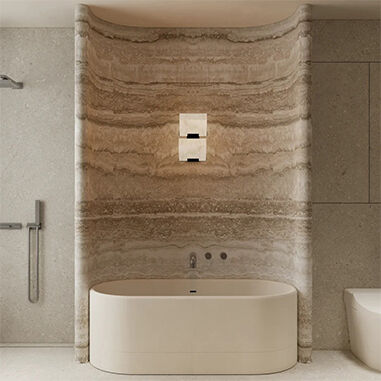
Modern bathroom designs increasingly incorporate travertine as a key element in creating sophisticated, spa-inspired spaces that balance contemporary functionality with timeless natural beauty. The stone's neutral color palette provides an ideal foundation for minimalist design schemes, allowing bold fixtures, colorful accessories, and dramatic lighting to take center stage while maintaining visual harmony throughout the space. Large-format travertine tiles create clean, uninterrupted surfaces that align with contemporary preferences for simplified aesthetics and reduced visual clutter.
Contemporary applications often emphasize travertine's natural texture through strategic lighting placement that highlights the stone's three-dimensional surface characteristics, creating dynamic visual effects that change throughout the day as natural light conditions shift. The combination of travertine flooring with glass shower enclosures, floating vanities, and sleek fixtures creates sophisticated contrast between natural and manufactured elements that defines modern luxury bathroom design. Water feature integration, such as rainfall shower systems or freestanding tubs, complements travertine's natural origins while enhancing the overall sensory experience of the bathroom environment.
Traditional and Mediterranean Influences
Traditional bathroom designs benefit enormously from travertine's historical associations with classical architecture and Mediterranean villa aesthetics, providing authentic material choices that support period-appropriate design themes. The stone's warm, earthy tones complement traditional color schemes featuring rich browns, deep golds, and classic whites while providing textural interest that synthetic materials cannot replicate. Tumbled or brushed travertine finishes particularly suit traditional applications, offering the weathered, aged appearance that suggests centuries of graceful aging and natural patina development.
Mediterranean-inspired bathroom designs often feature travertine as both flooring and wall cladding, creating cohesive environments that evoke the relaxed luxury of coastal resorts and historic villas. The material pairs beautifully with other traditional elements such as wrought iron fixtures, natural wood vanities, copper or bronze hardware, and earth-toned ceramic accessories. Arched doorways, curved design elements, and mosaic accent details complement travertine's organic characteristics while maintaining authentic Mediterranean aesthetic principles that create timeless, inviting bathroom environments.
FAQ
How does travertine perform in high-moisture bathroom environments
Travertine performs excellently in bathroom environments when properly sealed and maintained, with its natural porosity actually providing beneficial properties such as slip resistance and humidity regulation. The key to success lies in professional installation with appropriate moisture barriers, high-quality sealers applied regularly, and consistent maintenance protocols that prevent water penetration and bacterial growth. Modern sealing technologies create effective barriers while preserving the stone's natural breathing properties, ensuring long-term performance in even the most moisture-intensive bathroom applications such as steam showers and spa environments.
What are the most important maintenance requirements for travertine bathrooms
Essential maintenance for travertine bathrooms includes daily cleaning with pH-neutral stone cleaners, immediate attention to spills and standing water, annual or bi-annual professional sealing, and avoiding acidic or abrasive cleaning products that can damage the stone surface. Regular inspection of grout lines and sealant integrity helps prevent moisture infiltration, while professional cleaning and restoration every few years maintains optimal appearance and performance. Proper ventilation and consistent cleaning routines significantly reduce maintenance requirements while extending the installation's lifespan and preserving its aesthetic appeal.
How does travertine compare to marble for bathroom applications
Travertine offers several advantages over marble for bathroom use, including superior slip resistance due to its natural texture, generally lower maintenance requirements, and better resistance to thermal shock from temperature changes. While marble provides more dramatic veining and color options, travertine's cellular structure makes it less susceptible to visible etching from acidic substances and more forgiving of minor surface damage. Both materials require regular sealing and proper maintenance, but travertine's more porous structure actually provides better grip underfoot while offering similar luxury aesthetics at typically lower costs.
Can travertine be used in shower areas and wet zones
Travertine can be successfully installed in shower areas and wet zones with proper preparation, waterproofing, and sealing protocols that prevent moisture penetration behind the stone surface. Critical installation requirements include waterproof membrane systems behind wall installations, appropriate drainage solutions, and premium sealers specifically designed for high-moisture applications. The stone's natural slip resistance makes it particularly suitable for shower floors when properly textured, while its thermal properties remain comfortable underfoot even when wet, contributing to both safety and comfort in wet zone applications.
Table of Contents
- Understanding Travertine Characteristics for Bathroom Applications
- Installation Considerations for Bathroom Environments
- Maintenance Requirements and Long-term Performance
- Cost Analysis and Value Proposition
- Comparing Travertine to Alternative Materials
- Design Integration and Style Compatibility
- FAQ