 EN
EN


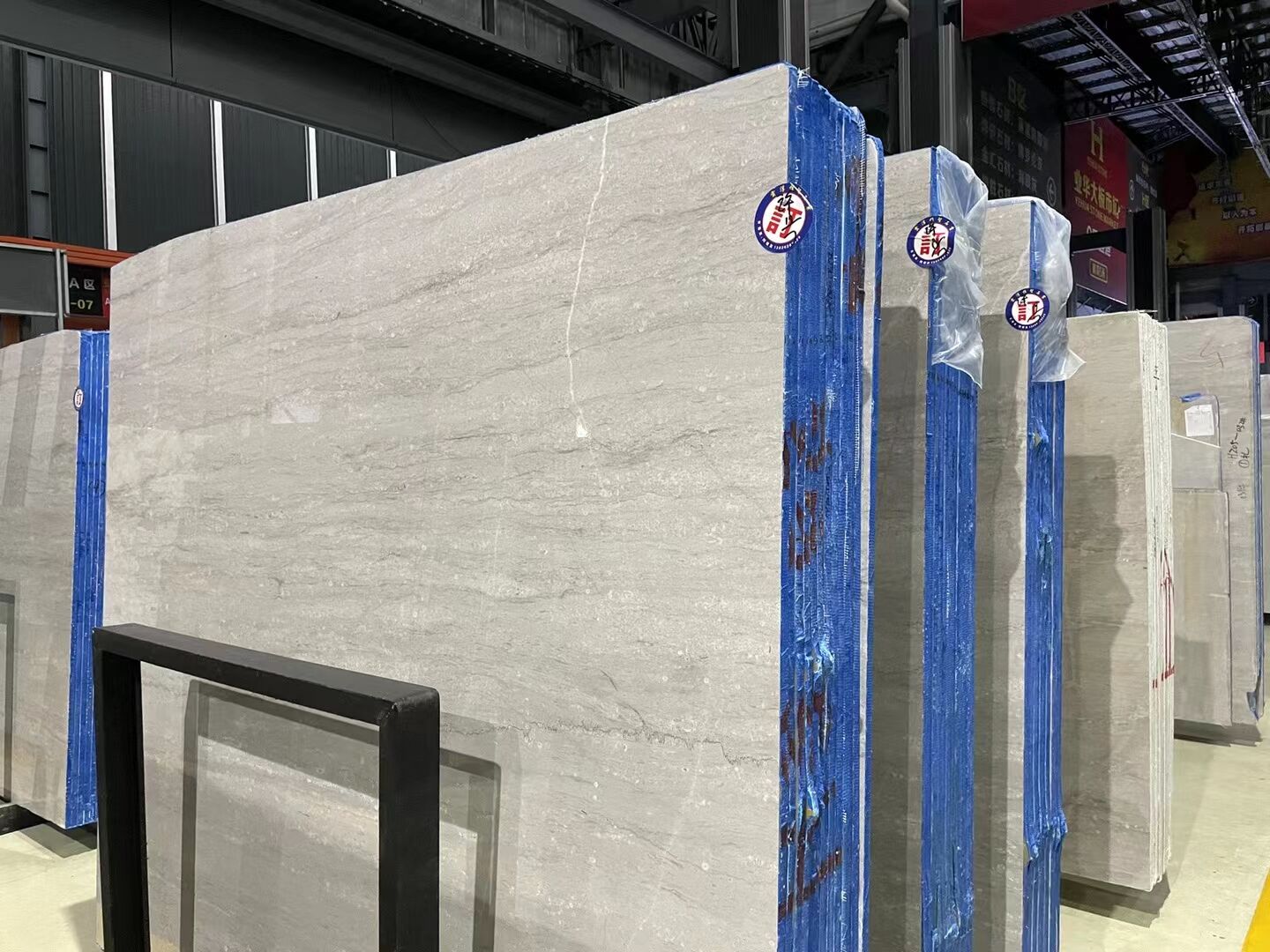
Australian importers seeking premium natural stone options are increasingly turning to Taj Mahal quartzite as a cornerstone material for high-end residential and commercial projects. This exquisite natural stone, renowned for its distinctive white and gray veining patterns, has captured the attention of designers, architects, and contractors across Australia's competitive construction market. The growing demand for Taj Mahal quartzite reflects Australia's sophisticated taste for luxury materials that combine aesthetic appeal with exceptional durability and performance characteristics.
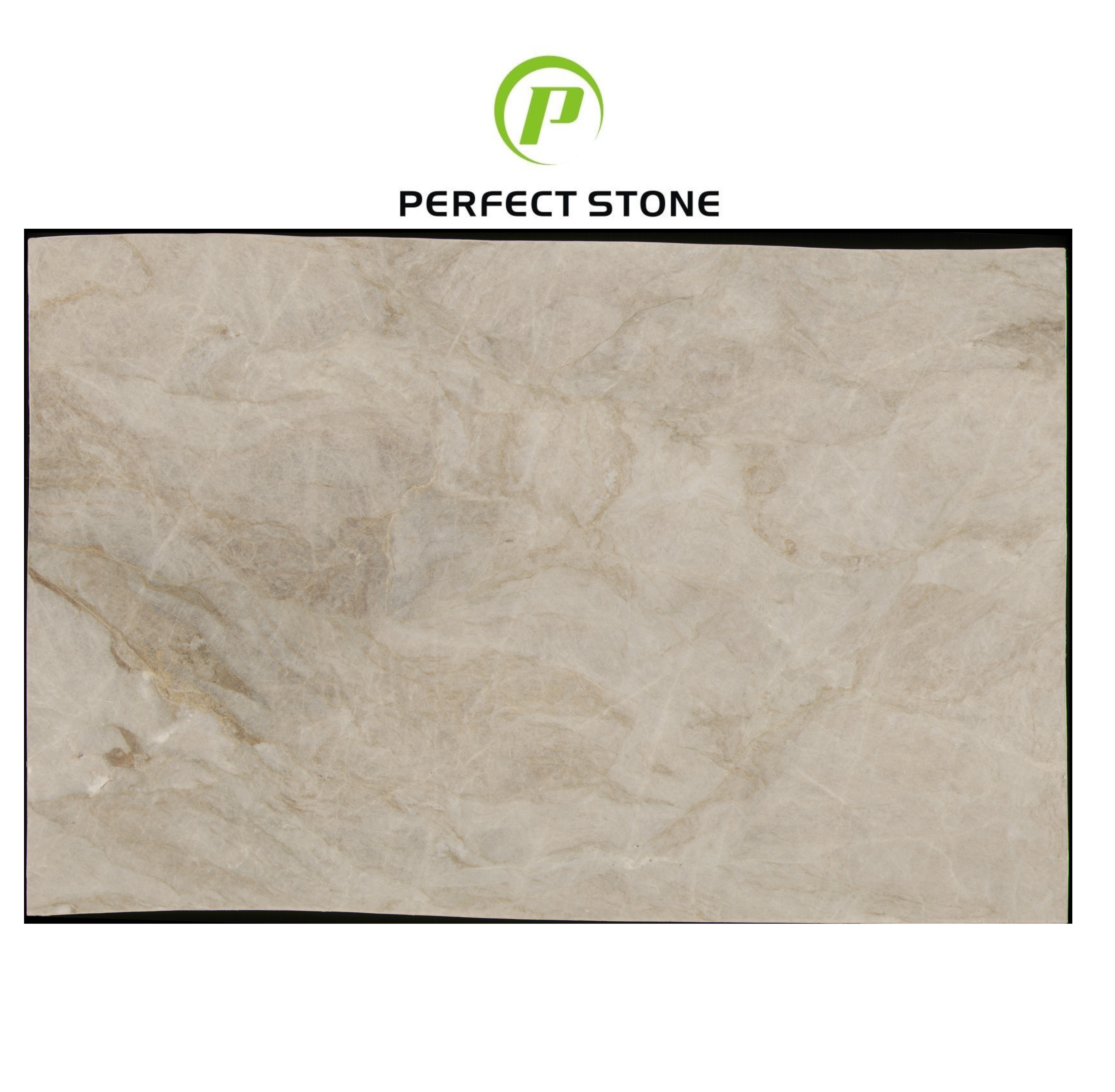
The Australian market presents unique opportunities and challenges for stone importers, particularly when dealing with premium materials like Taj Mahal quartzite. Understanding the specific requirements, quality standards, and logistical considerations becomes essential for successful importation and distribution. This comprehensive guide addresses the critical aspects of sourcing authentic Taj Mahal quartzite, from identifying reliable suppliers to navigating Australian import regulations and ensuring product authenticity throughout the supply chain.
Understanding Taj Mahal Quartzite Characteristics
Geological Formation and Origin
Taj Mahal quartzite originates from specific quarrying regions where unique geological conditions have created this distinctive metamorphic rock formation. The stone's characteristic appearance results from millions of years of heat and pressure transformation, creating the intricate veining patterns that make Taj Mahal quartzite highly sought after in luxury applications. These geological processes contribute to the stone's exceptional hardness and durability, making it superior to many marble alternatives while maintaining comparable aesthetic appeal.
The authentic Taj Mahal quartzite exhibits specific mineral compositions that distinguish it from similar-looking alternatives and synthetic reproductions. Understanding these geological markers helps importers verify authenticity and ensures they source genuine materials for their Australian clientele. The stone's formation process also influences its physical properties, including density, porosity, and resistance to environmental factors that are particularly relevant in Australia's diverse climate conditions.
Visual and Physical Properties
Authentic Taj Mahal quartzite displays distinctive visual characteristics that set it apart from other natural stones and engineered alternatives. The stone features a predominantly white or off-white background with subtle gray veining that flows naturally across the surface, creating organic patterns that never repeat exactly. These veining patterns often exhibit golden or beige undertones that add warmth and depth to the overall appearance, making Taj Mahal quartzite particularly appealing for Australian interior design preferences.
The physical properties of Taj Mahal quartzite include exceptional hardness ratings that exceed most marble varieties, making it suitable for high-traffic applications and outdoor installations common in Australian commercial projects. The stone's low porosity contributes to superior stain resistance and reduced maintenance requirements, factors that Australian importers often highlight when marketing to end users. Additionally, Taj Mahal quartzite demonstrates excellent thermal stability, allowing it to withstand temperature fluctuations without compromising structural integrity or aesthetic appearance.
Supplier Verification and Authentication
Identifying Reputable Quarry Sources
Establishing relationships with verified quarry operators represents the foundation of successful Taj Mahal quartzite importation for Australian businesses. Reputable quarries maintain consistent extraction practices, quality control measures, and documentation systems that support traceability throughout the supply chain. These established operations typically possess necessary environmental permits, safety certifications, and export licenses that ensure compliance with international trade requirements and Australian import standards.
Australian importers should prioritize suppliers who provide comprehensive documentation including quarry location certificates, geological surveys, and production capacity reports. Reliable sources often maintain long-term relationships with established distributors and can provide references from other international clients. The verification process should include on-site visits when possible, allowing importers to assess quarry operations, quality control processes, and inventory management systems that directly impact Taj Mahal quartzite consistency and availability.
Quality Assurance and Testing Protocols
Implementing rigorous quality assurance protocols ensures that imported Taj Mahal quartzite meets Australian construction standards and client expectations. These protocols should include physical testing for density, absorption rates, compressive strength, and flexural strength to verify compliance with Australian stone industry specifications. Chemical analysis helps confirm mineral composition and identifies any treatments or enhancements that might affect the stone's natural properties or long-term performance characteristics.
Professional testing laboratories in Australia can provide independent verification of Taj Mahal quartzite authenticity and quality parameters before final acceptance and distribution. These testing services often include dimensional tolerance verification, surface finish quality assessment, and structural integrity evaluations that help importers maintain consistent product standards. Documentation from these assessments becomes valuable for marketing purposes and helps build confidence among Australian architects, designers, and contractors who specify premium natural stone materials.
Australian Import Regulations and Compliance
Customs and Documentation Requirements
Australian customs regulations for natural stone imports require specific documentation and classification procedures that Taj Mahal quartzite importers must understand thoroughly. The Australian Border Force mandates proper Harmonized System codes for natural stone products, with Taj Mahal quartzite typically falling under specific quartzite classifications that determine applicable duty rates and import procedures. Accurate classification ensures proper customs processing and helps avoid delays or additional fees that could impact project timelines and profitability.
Required documentation includes commercial invoices with detailed product descriptions, certificates of origin, packing lists specifying individual slab dimensions and quantities, and any applicable quality certificates or test reports. Taj Mahal quartzite shipments must also comply with Australian quarantine regulations, requiring fumigation certificates or treatment documentation to prevent the introduction of pests or pathogens. Import permits may be necessary depending on the source country and specific quarry locations, adding another layer of compliance that importers must manage effectively.
Environmental and Safety Standards
Australian environmental regulations impact Taj Mahal quartzite imports through requirements for sustainable sourcing documentation and environmental impact assessments. Importers increasingly need to demonstrate that their suppliers follow responsible quarrying practices and maintain appropriate environmental management systems. These requirements align with Australia's commitment to sustainable construction practices and help ensure that imported natural stone materials meet evolving environmental standards and green building certification requirements.
Safety standards for Taj Mahal quartzite in Australia include crystalline silica content regulations that affect handling, processing, and installation procedures. The stone must comply with workplace health and safety requirements, including proper labeling for silica content and recommendations for protective equipment during cutting and installation. Understanding these safety implications helps importers provide appropriate guidance to their customers and ensures compliance with Australian occupational health and safety legislation that governs construction material handling.
Logistics and Supply Chain Management
Shipping and Transportation Considerations
Effective logistics management for Taj Mahal quartzite imports requires careful consideration of packaging, shipping methods, and transportation routes to Australian ports. The stone's weight and fragility demand specialized packaging solutions that protect individual slabs during international shipping while optimizing container utilization to manage freight costs. Professional packaging typically includes wooden crates, protective foam padding, and steel banding systems designed specifically for natural stone transportation over long distances.
Container shipping represents the most common method for Taj Mahal quartzite imports to Australia, with options including standard containers for smaller shipments and flat-rack containers for oversized slabs. Freight consolidation services can help smaller importers achieve better shipping rates by combining orders with other natural stone products. Transit insurance becomes essential given the high value of Taj Mahal quartzite shipments, with coverage options that protect against damage, theft, and delays that could impact project schedules and customer relationships.
Inventory Management and Storage
Proper storage facilities play a crucial role in maintaining Taj Mahal quartzite quality after arrival in Australia, requiring climate-controlled environments that protect the stone from moisture, temperature extremes, and physical damage. Warehouse design should accommodate the stone's dimensions and weight while providing easy access for inspection, selection, and loading for customer deliveries. Proper handling equipment, including forklifts rated for stone slab weights and A-frame racks for vertical storage, helps prevent damage and ensures safe material handling throughout the distribution process.
Inventory tracking systems help Australian importers manage Taj Mahal quartzite stock levels, monitor slab locations, and coordinate customer orders effectively. Digital catalog systems with high-resolution photography allow customers to select specific slabs remotely, reducing handling requirements and improving customer satisfaction. These systems should track individual slab characteristics, including dimensions, pattern variations, and any quality notes that help match customer requirements with available inventory, maximizing the value of each Taj Mahal quartzite shipment.
Market Positioning and Customer Education
Target Market Identification
The Australian market for Taj Mahal quartzite encompasses luxury residential projects, high-end commercial developments, and premium hospitality installations where superior aesthetics and performance justify premium pricing. Identifying target customers includes luxury home builders, high-end kitchen and bathroom specialists, commercial interior designers, and architects working on prestigious projects. Understanding each market segment's specific requirements helps importers position Taj Mahal quartzite effectively and develop appropriate marketing strategies that emphasize the stone's unique value proposition.
Geographic considerations within Australia influence market positioning, with major metropolitan areas like Sydney, Melbourne, and Brisbane typically showing stronger demand for premium natural stone materials. The luxury housing markets in these cities create consistent demand for Taj Mahal quartzite, while commercial projects in business districts often specify high-quality materials for lobby installations, executive offices, and retail environments. Regional markets may offer opportunities for unique projects but typically require different marketing approaches and price positioning strategies.
Technical Support and Installation Guidance
Providing comprehensive technical support helps Australian customers maximize the performance and appearance of Taj Mahal quartzite installations while building long-term relationships that generate repeat business and referrals. This support includes fabrication guidelines, installation recommendations, and maintenance protocols specifically tailored to Australian climate conditions and construction practices. Technical documentation should address cutting techniques, edge profiling options, and joinery methods that optimize the stone's natural beauty while ensuring structural integrity in various applications.
Installation guidance for Taj Mahal quartzite should address substrate requirements, adhesive specifications, and sealing recommendations that account for Australian environmental factors including humidity, temperature variations, and exposure to harsh sunlight. Training programs for fabricators and installers help ensure consistent results and reduce installation problems that could impact customer satisfaction. These educational initiatives position importers as knowledgeable partners rather than simply suppliers, creating competitive advantages in Australia's competitive natural stone market.
Quality Control and Customer Satisfaction
Inspection Procedures and Standards
Establishing comprehensive inspection procedures ensures that Taj Mahal quartzite shipments meet quality expectations and customer requirements before delivery to Australian project sites. These procedures should include visual inspection for color consistency, pattern matching, and surface defects that could impact installation results or customer satisfaction. Dimensional verification confirms that slabs meet specified thickness, length, and width requirements while checking for flatness and edge quality that affects fabrication efficiency and final appearance.
Quality standards for Taj Mahal quartzite should align with Australian construction industry expectations and international natural stone specifications. Grading systems help categorize slabs based on color intensity, veining characteristics, and overall aesthetic appeal, allowing customers to select materials that match their design requirements and budget considerations. Documentation of inspection results provides transparency and helps resolve any quality disputes while building confidence in the importer's commitment to excellence and customer satisfaction.
Customer Service and Support Systems
Effective customer service systems for Taj Mahal quartzite imports require responsive communication, technical expertise, and problem-solving capabilities that address the unique challenges of natural stone projects. Customer support should include pre-purchase consultation services that help architects and designers select appropriate materials, quantities, and specifications for their specific applications. Post-delivery support addresses installation questions, maintenance guidance, and any quality concerns that arise during fabrication or installation processes.
Building strong relationships with Australian customers requires understanding their project timelines, quality expectations, and budget constraints while providing flexible solutions that accommodate changing requirements. Regular communication throughout the sourcing and delivery process helps prevent misunderstandings and ensures that Taj Mahal quartzite shipments arrive when needed and meet specified requirements. Follow-up services, including performance monitoring and maintenance support, help ensure long-term customer satisfaction and generate valuable referrals for future business development.
Pricing Strategies and Market Competitiveness
Cost Structure Analysis
Developing competitive pricing for Taj Mahal quartzite in Australia requires comprehensive understanding of cost structures including quarry prices, international shipping, customs duties, insurance, and domestic distribution expenses. Each cost component can vary significantly based on order quantities, shipping methods, and seasonal demand fluctuations that affect both sourcing costs and freight rates. Accurate cost analysis helps importers establish pricing strategies that remain competitive while maintaining adequate profit margins for sustainable business operations.
Currency fluctuations between Australian dollars and supplier currencies can significantly impact Taj Mahal quartzite pricing over time, requiring hedging strategies or flexible pricing arrangements that protect both importers and customers from excessive exchange rate volatility. Long-term supply agreements may offer price stability benefits but require careful evaluation of market trends and demand forecasts. Understanding the total cost of ownership, including processing, installation, and maintenance costs, helps position Taj Mahal quartzite competitively against alternative materials in the Australian market.
Value Proposition Development
Creating compelling value propositions for Taj Mahal quartzite requires highlighting the stone's unique characteristics and performance advantages compared to alternative materials available in Australia. These value propositions should emphasize durability benefits, maintenance advantages, and aesthetic qualities that justify premium pricing for discerning customers. Demonstrating long-term value through reduced replacement costs, lower maintenance requirements, and enhanced property values helps customers understand the total economic benefits of specifying authentic Taj Mahal quartzite for their projects.
Marketing messages should address specific Australian market concerns including climate resilience, bushfire resistance, and compatibility with contemporary architectural trends that influence material selection decisions. Case studies from successful Australian installations provide concrete evidence of Taj Mahal quartzite performance and customer satisfaction, supporting value propositions with real-world examples. These success stories help overcome customer objections and build confidence in the material's suitability for challenging Australian environmental conditions and demanding application requirements.
FAQ
What makes authentic Taj Mahal quartzite different from similar-looking alternatives
Authentic Taj Mahal quartzite exhibits specific geological characteristics including unique mineral compositions, distinctive veining patterns, and superior hardness ratings that distinguish it from engineered alternatives and other natural stones. The genuine material displays subtle color variations and natural imperfections that synthetic products cannot replicate accurately, while laboratory testing can confirm mineral content and physical properties that verify authenticity.
How long does it typically take to import Taj Mahal quartzite to Australia
Import timelines for Taj Mahal quartzite to Australia typically range from 8 to 12 weeks depending on quarry location, shipping methods, and customs processing requirements. This timeline includes quarry selection and preparation, international shipping, Australian customs clearance, and domestic transportation to final destinations. Rush orders may be possible with expedited shipping but usually incur additional costs and may limit slab selection options.
What quality certifications should Australian importers require from suppliers
Australian importers should require comprehensive quality documentation including geological certificates confirming stone origin, physical testing results for strength and absorption properties, and dimensional tolerance verification reports. Additional certifications may include environmental compliance documentation, quarry operating permits, and export licenses that ensure legal sourcing and transportation. Independent laboratory testing in Australia provides additional verification of quality claims and material authenticity.
How should Taj Mahal quartzite be stored and handled in Australian climate conditions
Proper storage for Taj Mahal quartzite in Australia requires climate-controlled environments that protect against moisture, temperature extremes, and direct sunlight exposure that could cause thermal stress or surface deterioration. Vertical storage using A-frame racks prevents warping while protective padding prevents surface scratching and edge damage. Handling procedures should include appropriate lifting equipment and trained personnel to prevent breakage during movement and inspection activities.
Table of Contents
- Understanding Taj Mahal Quartzite Characteristics
- Supplier Verification and Authentication
- Australian Import Regulations and Compliance
- Logistics and Supply Chain Management
- Market Positioning and Customer Education
- Quality Control and Customer Satisfaction
- Pricing Strategies and Market Competitiveness
-
FAQ
- What makes authentic Taj Mahal quartzite different from similar-looking alternatives
- How long does it typically take to import Taj Mahal quartzite to Australia
- What quality certifications should Australian importers require from suppliers
- How should Taj Mahal quartzite be stored and handled in Australian climate conditions