 EN
EN


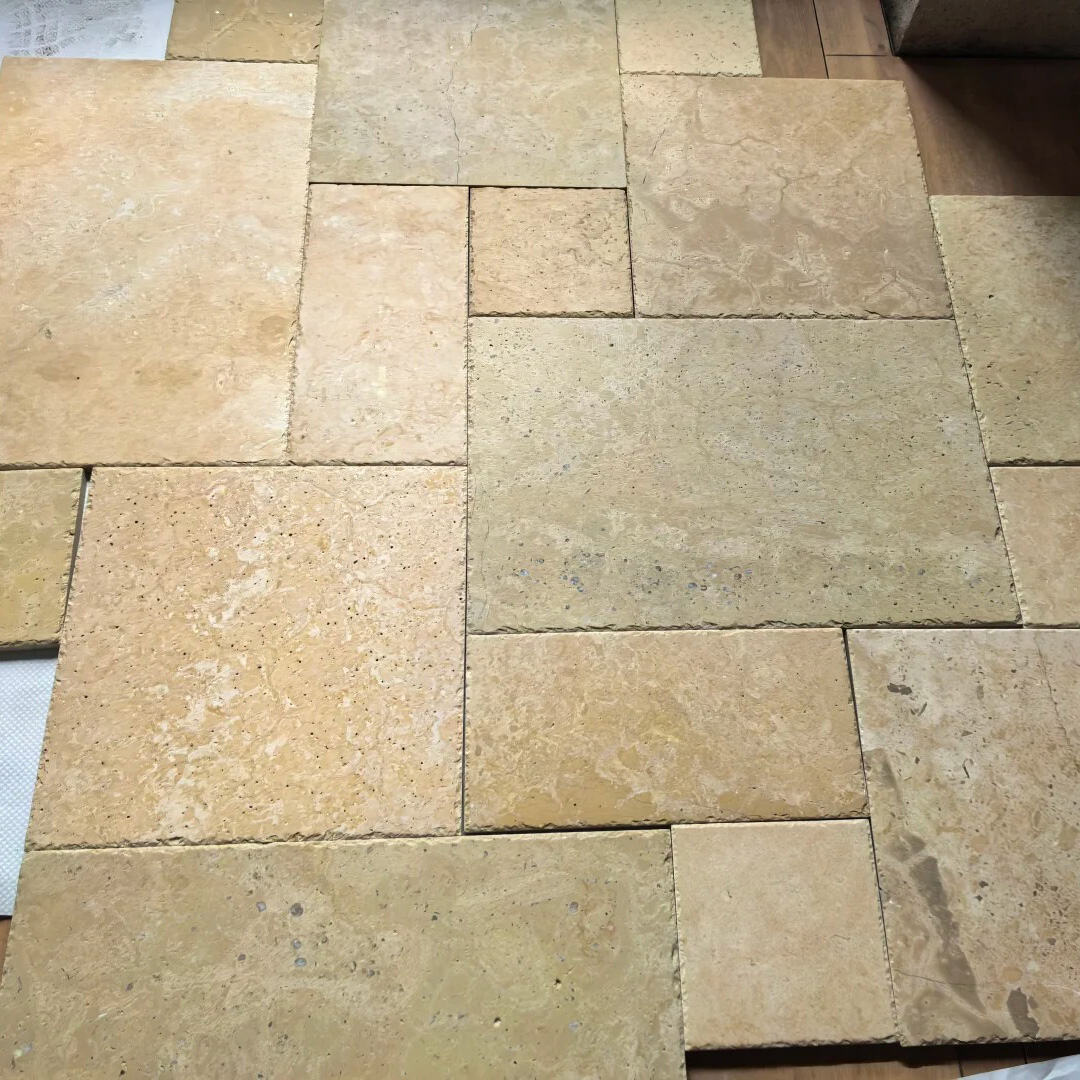
The commercial real estate landscape in the United States is experiencing a significant transformation as architects and developers increasingly turn to natural stone solutions for exterior building facades. Limestone wall cladding has emerged as a preferred choice for commercial properties, offering a perfect balance of aesthetic appeal, durability, and long-term value. This versatile material provides building owners with an opportunity to create distinctive architectural statements while ensuring structural integrity and weather resistance. The growing demand for sustainable building materials has positioned limestone wall cladding as a cornerstone solution in modern commercial construction projects across major metropolitan areas.
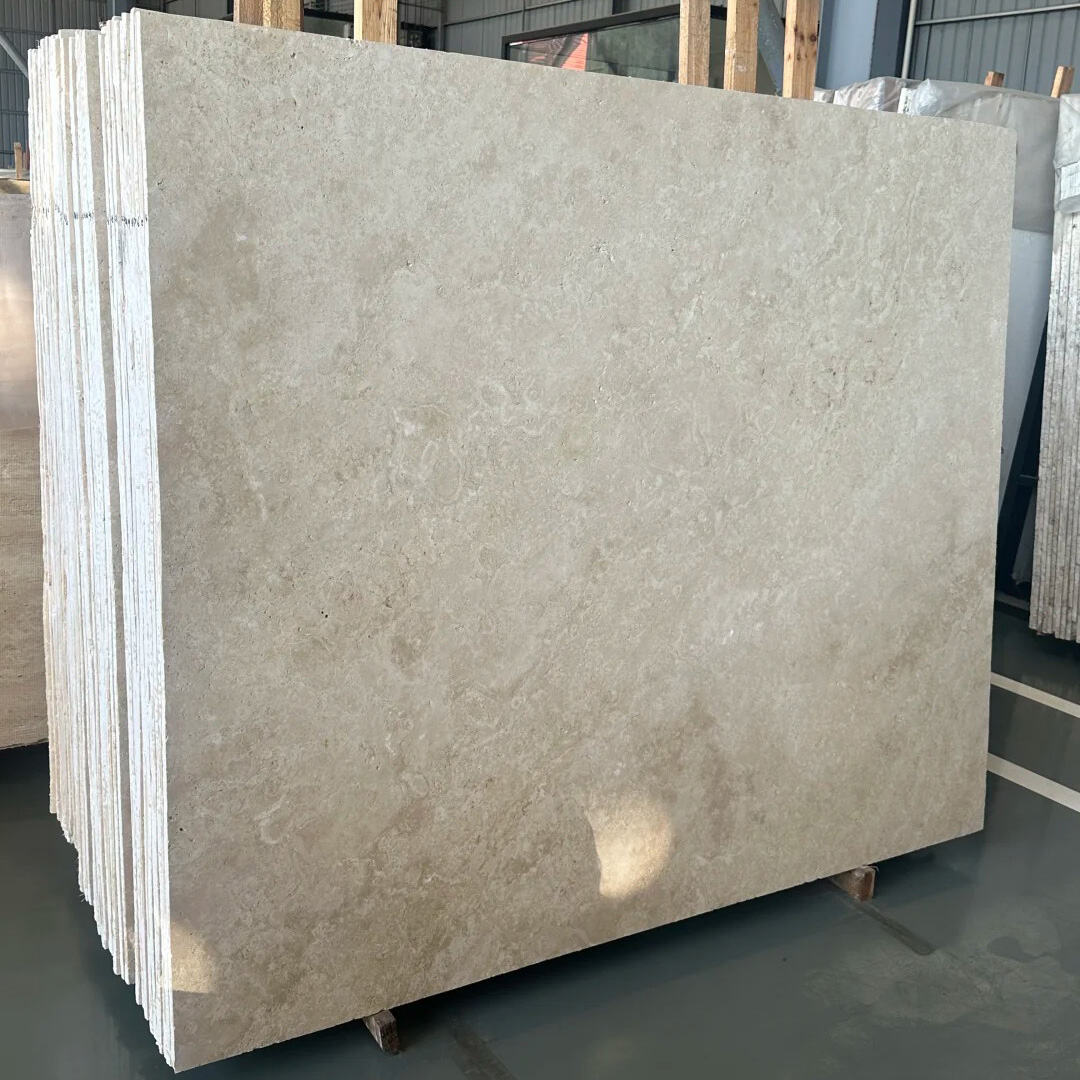
Market Dynamics Driving Limestone Adoption
Investment Returns and Property Values
Commercial property investors are recognizing the substantial return on investment that limestone wall cladding provides through enhanced property valuations and reduced maintenance costs. Properties featuring natural stone facades consistently command higher lease rates and experience lower vacancy periods compared to buildings with conventional exterior materials. The premium positioning that limestone wall cladding creates in the marketplace translates directly into measurable financial benefits for property owners and developers.
Market research indicates that commercial buildings incorporating natural stone cladding systems experience appreciation rates that exceed industry averages by significant margins. The longevity and timeless appeal of limestone wall cladding contribute to sustained property values, making these investments particularly attractive to institutional investors and real estate investment trusts. Forward-thinking developers are incorporating limestone wall cladding into their project specifications as a strategic differentiator in competitive commercial real estate markets.
Sustainability Requirements and Green Building Standards
The increasing emphasis on environmental responsibility in commercial construction has elevated limestone wall cladding to a position of prominence among sustainable building materials. Leadership in Energy and Environmental Design certification programs recognize natural stone cladding systems for their minimal environmental impact and contribution to building energy efficiency. The thermal mass properties inherent in limestone wall cladding help regulate interior temperatures, reducing heating and cooling loads throughout the building lifecycle.
Property developers seeking to achieve carbon neutrality goals are selecting limestone wall cladding as part of comprehensive sustainability strategies. The material's natural origins and minimal processing requirements align with green building principles, while its durability ensures decades of performance without replacement or significant maintenance interventions. This combination of environmental responsibility and practical performance makes limestone wall cladding an essential component of modern sustainable commercial architecture.
Architectural Design Evolution
Contemporary Aesthetic Preferences
Modern architectural firms are reimagining limestone wall cladding applications to create striking contemporary facades that balance traditional elegance with cutting-edge design principles. The versatility of limestone allows for innovative installation patterns, varied textures, and creative integration with other building materials such as glass, steel, and concrete. These design approaches are establishing new standards for commercial building exteriors that emphasize both visual impact and functional performance.
The natural variation in limestone characteristics provides architects with extensive creative possibilities for developing unique building identities. Color gradations, surface treatments, and dimensional variations in limestone wall cladding enable the creation of dynamic facades that respond to changing light conditions throughout the day. This inherent adaptability has made limestone wall cladding a preferred choice for signature commercial projects seeking to establish memorable architectural presence in urban environments.
Integration with Smart Building Technologies
Forward-thinking commercial developments are incorporating limestone wall cladding into intelligent building envelope systems that optimize energy performance and occupant comfort. Advanced mounting systems and insulation technologies complement the natural properties of limestone to create high-performance facades that exceed contemporary building code requirements. The compatibility of limestone wall cladding with modern building technologies ensures seamless integration without compromising aesthetic or functional objectives.
Building automation systems are increasingly designed to work in harmony with the thermal characteristics of limestone wall cladding, creating synergistic effects that enhance overall building performance. Smart sensors embedded within cladding systems can monitor structural integrity, moisture levels, and thermal performance, providing building managers with real-time data to optimize maintenance schedules and energy consumption patterns.
Regional Market Variations and Preferences
Northeast Commercial Market Trends
The commercial real estate markets in New York, Boston, and Philadelphia continue to demonstrate strong preference for limestone wall cladding in high-profile office developments and mixed-use projects. The historical architectural context of these cities creates natural synergy with limestone applications, while modern installation techniques ensure compliance with contemporary building codes and performance standards. Developers in these markets report consistent tenant preference for buildings featuring natural stone exteriors.
Premium office towers and luxury retail developments throughout the Northeast corridor are establishing limestone wall cladding as a benchmark for quality construction. The material's performance in harsh winter conditions and resistance to salt air exposure in coastal locations makes it particularly suitable for the regional climate challenges. This proven durability has contributed to widespread adoption among institutional property owners seeking long-term asset protection.
Southern and Western Market Adaptation
Commercial developers in Texas, California, and Florida are adapting limestone wall cladding specifications to address regional climate considerations while maintaining the aesthetic and performance benefits that make this material attractive. Heat reflection properties and thermal cycling resistance have become critical evaluation factors in these markets, leading to refined installation techniques and material selection criteria.
The rapid growth in commercial construction across Sun Belt markets has created substantial demand for limestone wall cladding systems that can withstand intense solar exposure and temperature fluctuations. Innovative surface treatments and protective coatings are being developed specifically for these challenging environments, ensuring that limestone wall cladding maintains its appearance and structural integrity over extended service periods.
Installation Innovations and Technical Advancements
Mechanically Anchored Systems
Modern limestone wall cladding installation methods have evolved significantly beyond traditional mortar-based approaches, incorporating advanced mechanical anchoring systems that provide superior structural performance and installation efficiency. These systems enable precise positioning and alignment of limestone panels while accommodating building movement and thermal expansion without compromising the integrity of the cladding system. The result is enhanced longevity and reduced maintenance requirements for commercial building owners.
Prefabricated mounting systems specifically designed for limestone wall cladding applications are streamlining construction schedules and improving quality control measures on commercial projects. These engineered solutions address the unique characteristics of limestone while providing flexibility for architectural design variations and building-specific requirements. The standardization of installation procedures has contributed to more predictable project timelines and cost estimates for developers.
Quality Control and Performance Standards
Industry organizations have developed comprehensive quality standards for limestone wall cladding that address material selection, installation procedures, and long-term performance expectations. These standards provide architects and contractors with clear guidelines for specifying and implementing limestone cladding systems that meet or exceed building code requirements while delivering the aesthetic and functional benefits that building owners expect.
Advanced testing protocols ensure that limestone wall cladding materials and installation systems perform reliably under various environmental conditions and structural loads. Wind load testing, seismic performance evaluation, and thermal cycling assessments have become standard components of the specification process for commercial projects. This rigorous approach to quality assurance has increased confidence among architects and building owners in limestone wall cladding as a long-term building envelope solution.
Economic Considerations and Cost Analysis
Initial Investment versus Long-term Value
The financial analysis of limestone wall cladding for commercial projects requires evaluation of both upfront installation costs and lifecycle operating expenses to accurately assess the total cost of ownership. While initial material and installation costs for limestone wall cladding may exceed some alternative cladding systems, the extended service life and minimal maintenance requirements often result in lower total costs over the building's operational period.
Commercial property owners are increasingly recognizing that limestone wall cladding represents a capital investment that continues to provide returns through reduced maintenance expenses, enhanced property values, and improved tenant retention rates. The durability characteristics of limestone eliminate the need for frequent refinishing or replacement cycles that are common with other exterior cladding materials, resulting in significant long-term cost savings.
Market Pricing Trends and Supply Chain Factors
The limestone wall cladding market is experiencing price stability despite fluctuations in other construction material costs, reflecting the established supply chains and consistent demand patterns that characterize this market segment. Domestic limestone quarries and international suppliers have developed reliable distribution networks that ensure consistent availability and competitive pricing for commercial construction projects.
Strategic sourcing approaches enable commercial developers to secure favorable pricing for limestone wall cladding through long-term supply agreements and bulk purchasing arrangements. The predictable nature of limestone production and processing allows for accurate cost forecasting throughout project development phases, contributing to better budget management and financial planning for commercial real estate investments.
FAQ
What factors should be considered when selecting limestone wall cladding for commercial buildings
The selection of limestone wall cladding for commercial applications requires careful evaluation of material characteristics, climate conditions, architectural requirements, and performance expectations. Key considerations include limestone density and porosity, color consistency, surface finish options, and compatibility with building structural systems. Additionally, local building codes, seismic requirements, and environmental factors such as freeze-thaw cycles and salt air exposure should influence material selection and installation method decisions.
How does limestone wall cladding contribute to building energy efficiency
Limestone wall cladding provides significant thermal mass benefits that help regulate interior building temperatures and reduce energy consumption for heating and cooling systems. The natural thermal properties of limestone allow it to absorb heat during warm periods and release stored thermal energy when temperatures drop, creating a moderating effect on interior climate conditions. When properly integrated with insulation systems and building automation controls, limestone wall cladding can contribute measurably to achieving energy efficiency targets and green building certifications.
What maintenance requirements are associated with limestone wall cladding systems
Limestone wall cladding requires minimal routine maintenance compared to many alternative exterior cladding systems, typically involving periodic cleaning and inspection of mounting hardware and sealant materials. Professional cleaning services using appropriate techniques and materials can maintain the appearance of limestone wall cladding for decades without significant deterioration. Preventive maintenance programs should include regular assessment of expansion joints, drainage systems, and mechanical anchors to ensure continued performance and longevity of the cladding system.
How do limestone wall cladding costs compare to other premium exterior materials
The cost comparison between limestone wall cladding and alternative premium exterior materials must consider both initial installation expenses and long-term operational costs to provide accurate financial analysis. While limestone may require higher upfront investment than some manufactured cladding systems, the extended service life, minimal maintenance requirements, and positive impact on property values often result in superior return on investment over the building lifecycle. Additionally, the timeless aesthetic appeal of limestone wall cladding helps preserve property marketability and tenant attraction capabilities compared to materials that may become dated or require frequent updates.
Table of Contents
- Market Dynamics Driving Limestone Adoption
- Architectural Design Evolution
- Regional Market Variations and Preferences
- Installation Innovations and Technical Advancements
- Economic Considerations and Cost Analysis
-
FAQ
- What factors should be considered when selecting limestone wall cladding for commercial buildings
- How does limestone wall cladding contribute to building energy efficiency
- What maintenance requirements are associated with limestone wall cladding systems
- How do limestone wall cladding costs compare to other premium exterior materials