 EN
EN


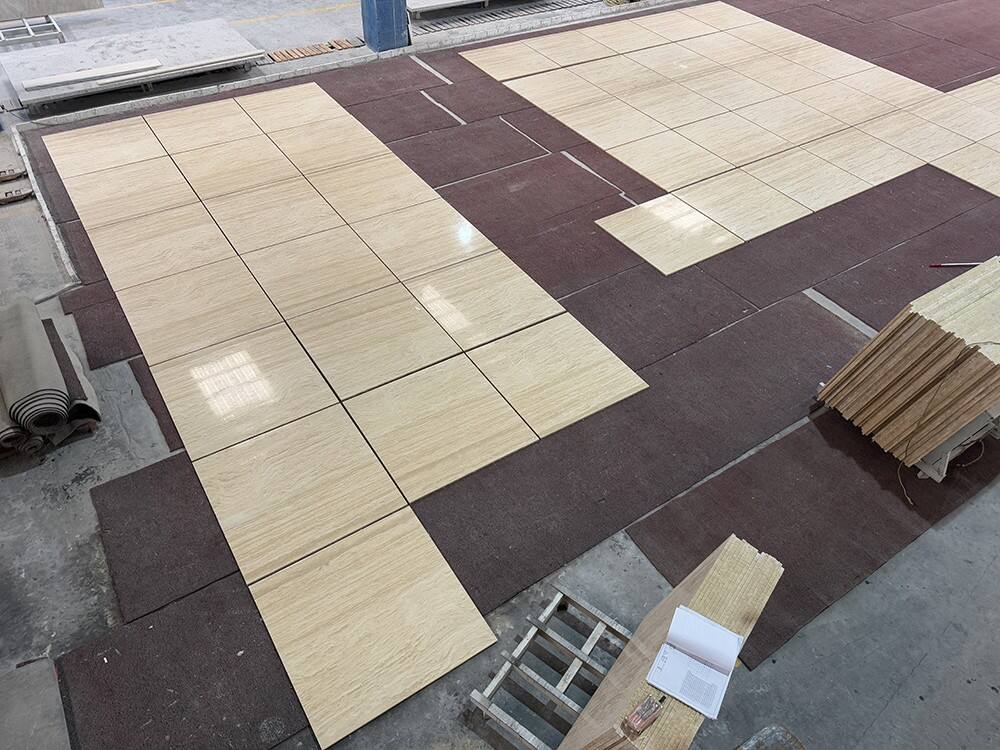
The growing popularity of travertine pool deck installations across the United States reflects a significant shift in outdoor living design preferences. Homeowners and commercial property developers increasingly recognize that travertine pool deck surfaces offer an exceptional combination of natural beauty, durability, and functional performance that traditional materials simply cannot match. This limestone-based natural stone has emerged as the preferred choice for creating sophisticated outdoor environments that seamlessly blend luxury with practicality, making travertine pool deck applications one of the most sought-after features in contemporary landscape architecture.
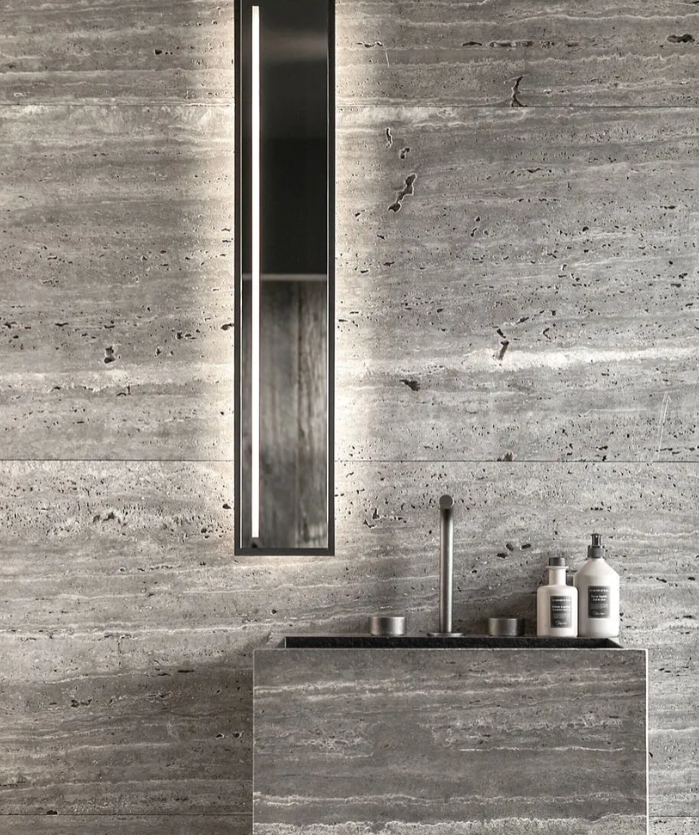
Understanding Travertine as a Pool Deck Material
Natural Formation and Characteristics
Travertine forms through the precipitation of calcium carbonate from mineral-rich hot springs, creating a naturally porous limestone that exhibits unique textural qualities ideal for pool applications. The stone's inherent porosity provides excellent slip resistance when wet, making travertine pool deck surfaces significantly safer than many alternative materials. This natural formation process results in distinctive patterns, colors, and textures that vary from quarry to quarry, ensuring that each travertine pool deck installation possesses its own unique character and aesthetic appeal.
The mineral composition of travertine creates a surface that remains naturally cool underfoot, even during intense summer heat. This thermal property makes travertine pool deck areas comfortable for barefoot walking, addressing one of the primary concerns homeowners have about outdoor stone surfaces. Additionally, the stone's natural earth tones complement virtually any architectural style or landscape design, from Mediterranean villas to contemporary minimalist homes.
Processing and Finishing Options
Modern travertine processing techniques offer multiple finishing options that enhance the stone's natural properties for pool deck applications. Tumbled finishes create rounded edges and an aged appearance that provides excellent traction while maintaining visual appeal. Honed surfaces offer smooth, matte finishes that resist showing water spots and maintain their appearance with minimal maintenance requirements.
The filled versus unfilled debate significantly impacts travertine pool deck performance and maintenance requirements. Filled travertine features resin-filled holes that create smoother surfaces ideal for furniture placement and easier cleaning, while unfilled options maintain maximum slip resistance and natural drainage characteristics. Understanding these processing differences helps property owners select the most appropriate travertine pool deck solution for their specific needs and usage patterns.
Market Trends Driving Travertine Pool Deck Popularity
Outdoor Living Space Evolution
The transformation of American backyards into comprehensive outdoor living environments has created unprecedented demand for premium materials like travertine pool deck installations. Modern homeowners view their outdoor spaces as extensions of their interior living areas, requiring surfaces that can accommodate dining, entertaining, and relaxation activities while maintaining visual cohesion with pool areas. This shift has elevated the importance of material selection beyond basic functionality to encompass aesthetic integration and lifestyle enhancement.
Property developers and landscape architects increasingly specify travertine pool deck materials for high-end residential projects because of their proven ability to increase property values. Market research indicates that homes featuring natural stone pool decks command premium prices and sell faster than comparable properties with conventional concrete or composite decking materials. This economic advantage drives continued investment in travertine pool deck installations throughout affluent residential markets.
Climate Adaptation and Regional Preferences
Geographic variations in climate conditions influence travertine pool deck selection and installation practices across different US regions. Southern and southwestern states with intense sun exposure particularly benefit from travertine's heat-reflective properties and natural cooling characteristics. The stone's ability to withstand thermal expansion and contraction without cracking makes travertine pool deck installations ideal for regions experiencing significant temperature fluctuations.
Coastal areas appreciate travertine's resistance to salt air corrosion and moisture absorption, properties that extend the lifespan of travertine pool deck surfaces compared to many alternative materials. The stone's natural porosity allows for proper drainage while preventing standing water accumulation that could lead to structural damage or safety hazards. These regional advantages contribute to the material's growing market share in specific geographic areas where environmental conditions favor natural stone applications.
Installation Considerations and Best Practices
Site Preparation and Foundation Requirements
Proper site preparation forms the foundation for successful travertine pool deck installations that will perform reliably for decades. The substrate must provide adequate drainage while maintaining stability under varying load conditions and environmental stresses. Professional installers typically recommend concrete slab foundations with integrated drainage systems that prevent water accumulation beneath travertine pool deck surfaces.
Slope calculations become critical for travertine pool deck projects to ensure proper water runoff without creating unsafe walking conditions or aesthetic problems. The natural variation in travertine thickness requires careful planning to achieve uniform surface levels while accommodating the stone's inherent dimensional variations. These technical considerations distinguish professional travertine pool deck installations from amateur attempts that often result in premature failure or ongoing maintenance problems.
Cutting and Fitting Techniques
Advanced cutting techniques allow travertine pool deck installations to accommodate complex shapes, curves, and integrated features like built-in seating or water features. Diamond blade technology enables precise cuts that maintain the stone's structural integrity while creating clean edges that resist chipping or cracking over time. Professional fabricators can create custom shapes and sizes that maximize material utilization while minimizing waste.
The modular nature of travertine pool deck systems allows for future modifications or repairs without requiring complete replacement of entire sections. Individual tiles or pavers can be removed and replaced as needed, making travertine pool deck maintenance more cost-effective than monolithic surface materials. This modularity also enables creative design patterns that incorporate multiple stone sizes, colors, or textures within a single installation.
Maintenance and Longevity Factors
Routine Care Protocols
Establishing proper maintenance routines significantly extends the lifespan and appearance of travertine pool deck installations while minimizing long-term costs. Regular cleaning with pH-neutral stone cleaners removes dirt, debris, and chemical residues without damaging the stone's surface or compromising its natural properties. The frequency of cleaning depends on usage patterns, environmental conditions, and aesthetic standards, but monthly maintenance typically maintains optimal appearance and performance.
Sealing requirements for travertine pool deck surfaces vary depending on the stone's porosity, finish type, and exposure conditions. High-quality penetrating sealers protect against staining and water damage while maintaining the stone's natural breathability and slip-resistant characteristics. Professional application ensures uniform coverage and optimal performance, with resealing intervals typically ranging from one to three years depending on usage and environmental factors.
Repair and Restoration Options
The natural characteristics of travertine allow for effective repair and restoration techniques that can address common issues like surface scratches, etching, or localized damage. Professional stone restoration services can resurface travertine pool deck areas using diamond polishing techniques that remove surface imperfections while maintaining uniform texture and appearance throughout the installation.
Replacement of individual travertine pool deck elements becomes necessary when damage exceeds repair capabilities, but the modular nature of most installations makes selective replacement feasible and cost-effective. Maintaining spare materials from original installations ensures color and texture matching when replacements become necessary, preserving the overall aesthetic integrity of travertine pool deck projects over their extended lifespans.
Design Integration and Aesthetic Considerations
Color Selection and Pattern Development
The natural color variations available in travertine provide extensive design flexibility for pool deck applications, ranging from warm ivory and beige tones to rich gold and rust hues. Color selection should complement existing architectural elements while considering how different shades will appear under various lighting conditions throughout the day. The interplay between travertine pool deck colors and surrounding landscape elements creates visual harmony that enhances the overall outdoor living experience.
Pattern development for travertine pool deck installations can incorporate multiple tile sizes, laying patterns, and border treatments that create visual interest without overwhelming the space. Traditional patterns like ashlar, versailles, or herringbone provide timeless appeal, while contemporary geometric arrangements offer modern aesthetic solutions. The key lies in balancing pattern complexity with the scale of the pool area and surrounding architectural features.
Integration with Pool Features and Landscaping
Successful travertine pool deck designs seamlessly integrate with pool coping, water features, and surrounding hardscape elements to create unified outdoor environments. The stone's natural variations complement pool tile selections while providing visual transitions between water features and broader landscape areas. Careful attention to elevation changes, sight lines, and circulation patterns ensures that travertine pool deck installations enhance rather than compete with other design elements.
Landscaping integration requires consideration of plant selections, irrigation systems, and maintenance access that will not compromise travertine pool deck performance over time. Proper drainage design prevents root intrusion and water accumulation while allowing for natural landscape evolution. The long-term success of travertine pool deck projects depends on this holistic approach to design integration that considers all environmental and functional factors affecting the installation.
Economic Factors and Investment Considerations
Initial Cost Analysis
The initial investment required for travertine pool deck installations typically exceeds basic concrete or composite alternatives, but this premium reflects superior material properties and long-term value retention. Cost factors include material selection, site preparation requirements, installation complexity, and regional labor rates that vary significantly across different markets. Understanding these cost components helps property owners make informed decisions about travertine pool deck investments.
Comparative cost analysis should consider lifecycle expenses rather than focusing solely on initial installation costs. The durability and longevity of properly installed travertine pool deck surfaces often result in lower total ownership costs compared to materials requiring frequent replacement or extensive maintenance. This long-term perspective becomes particularly important for commercial installations where operational costs significantly impact overall project economics.
Return on Investment Potential
Real estate market data consistently demonstrates that travertine pool deck installations contribute to increased property values that often exceed the initial investment costs. The premium associated with natural stone surfaces reflects buyer preferences for quality materials and sophisticated outdoor living environments. This value enhancement becomes particularly pronounced in upscale residential markets where outdoor amenities significantly influence property desirability and pricing.
The growing trend toward outdoor entertaining and lifestyle enhancement ensures continued demand for premium travertine pool deck installations. Market projections indicate sustained growth in natural stone applications for residential outdoor spaces, supporting long-term value retention and investment security. Property owners who invest in quality travertine pool deck installations position themselves to benefit from these favorable market trends while enjoying immediate lifestyle improvements.
FAQ
How long does a travertine pool deck typically last
A properly installed and maintained travertine pool deck can last 25-50 years or more, significantly longer than most alternative materials. The natural durability of travertine, combined with its ability to be restored and refinished, makes it an excellent long-term investment. Regular maintenance and periodic sealing help preserve the stone's appearance and structural integrity throughout its extended lifespan, making travertine pool deck installations one of the most cost-effective solutions over time.
Is travertine slippery when wet around pools
Travertine's natural porosity and textured surface actually provide excellent slip resistance when wet, making it safer than many smooth materials like polished granite or glazed ceramic tiles. The stone's natural grip increases when moisture fills its surface pores, creating better traction for barefoot walking. Tumbled or brushed finishes further enhance the slip-resistant properties of travertine pool deck surfaces while maintaining their aesthetic appeal.
What maintenance does a travertine pool deck require
Routine maintenance for travertine pool deck installations includes regular cleaning with pH-neutral stone cleaners, periodic sealing every 1-3 years, and prompt attention to any spills or stains. The porous nature of travertine makes it important to clean up acidic substances like citrus juices or wine quickly to prevent etching. Overall maintenance requirements are minimal compared to the stone's durability and aesthetic benefits, making travertine pool deck care manageable for most homeowners.
Can travertine pool decks be installed in cold climates
Yes, travertine pool deck installations can perform well in cold climates when properly installed with appropriate drainage and foundation systems. The stone's natural ability to withstand freeze-thaw cycles, combined with proper site preparation and installation techniques, ensures reliable performance in northern regions. However, additional considerations for winter protection and seasonal maintenance may be necessary to optimize the longevity of travertine pool deck surfaces in harsh climate conditions.